









































































































A corporate chauffeur account with RutzLimo.com gives an organisation one system for chauffeured ground transport in 107 countries: traveller profiles, assistants booking on behalf, cost-centre coding and approval rules, a single monthly invoice, duty-of-care records for every journey, volume terms, and a named account manager who plans roadshows, board meetings and events. There is no fee and no minimum. Open an account or book a first journey on the engine.
Why organisations move ground transport onto an account
Left to itself, corporate ground transport is a hundred card receipts a month from a dozen local car companies and three ride-hail apps, reconciled by an assistant who was not there and a finance team that cannot tell a legitimate airport run from an evening out. Nobody knows which drivers were licensed, nobody can produce a journey history when HR asks, and the travel policy's line about ground transport is unenforceable because there is no system to enforce it in.
An account replaces that with a single supplier, a single rule set and a single invoice - and, in RutzLimo.com's case, a single supplier that works the same way in every city the organisation's people fly to. The executive car service page describes the product from the traveller's seat; this page describes it from the assistant's, the travel manager's and the finance director's.
What the account includes
| Feature | What it does |
|---|---|
| Traveller profiles | Vehicle class, meet-and-greet preference, home and office addresses, standing instructions, mobile number - held centrally, applied to every booking |
| Booking on behalf | An assistant books for any traveller on the account; confirmations go to both; the traveller's profile applies automatically |
| Cost centres and approval | Journeys coded at booking to a cost centre, project or client; optional approval rules by traveller grade or fare threshold |
| Monthly invoice | One invoice in the account currency, every journey itemised by traveller, date, route, class and cost centre, with local receipts attached |
| Duty-of-care record | Chauffeur, vehicle, pickup and drop-off times and route for every journey, available per traveller on request |
| Volume terms | Agreed annually above a monthly threshold; applied automatically to the fares on the engine |
| Account manager | A named person who plans roadshows, board meetings, delegation visits and events, and who answers the phone |
| Reporting | Monthly spend by cost centre, traveller and city; vehicle classes used; on request, an emissions summary |
For the executive assistant
The assistant is the account's real user, and the account is designed around the assistant's day. One login books for every principal; the principal's profile fills the reservation; the confirmation lands in both inboxes with the chauffeur's name and number the evening before; changes are made by message to dispatch, who know which principal is which. Multi-city itineraries are sent from the calendar and come back as a plan with every leg, every meeting point and the total, under the global service. A principal's hourly day, a visiting client's meet-and-greet, a board member's luxury sedan - all are on the same account, and none of them requires the assistant to learn a local car company.
For the travel manager
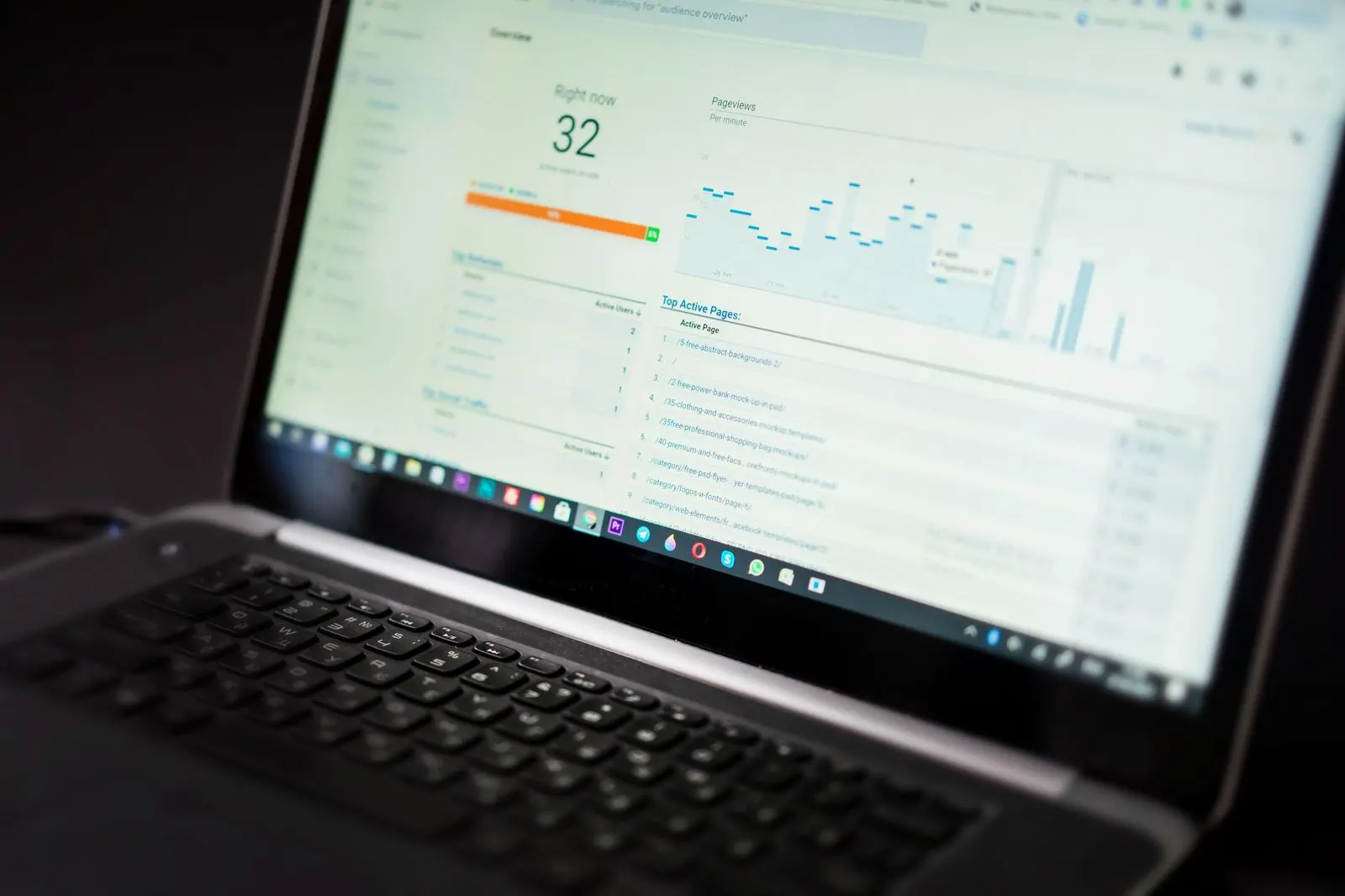
The travel manager needs the policy enforced, the record kept and the supplier vetted. On the account the policy is enforced at booking - vehicle class by grade, meet-and-greet by policy, approval above a threshold - rather than argued about at expense time. The record is the duty-of-care log, which meets the expectations set out in the Global Business Travel Association's guidance on ground transportation and traveller safety. The supplier is vetted once: every chauffeur fulfilling a RutzLimo.com reservation, in every city, is held to the network's licensing, insurance and screening standards, and the account manager can supply the compliance documentation a procurement process asks for. Reporting arrives monthly and on request, by cost centre, traveller, city and vehicle class.
For finance
Finance needs one invoice that reconciles. The account issues it monthly in the account currency, with every journey itemised, coded and receipted, and with volume terms applied automatically; no mark-up sits on top of the engine's fares, and no surcharges appear that were not on the confirmation. Payment terms are agreed at account opening. Where a client or a project must be re-billed, the cost-centre coding on each journey makes the extraction a filter, not a project.
Roadshows, board meetings and investor days
The most demanding corporate ground work is planned by the account manager with a coordinator, not booked on a form. A roadshow - management and bankers meeting investors in six cities in five days - gets a lead chauffeur in each city briefed on the buildings, a master schedule that changes hourly, a second vehicle where the day needs it, and one number for the team. A board meeting or AGM gets a fleet of executive sedans at staggered times, directors met at the airport with name boards, and cars held through the day. An investor day or site visit adds Sprinters and minicoaches for analysts moving as a group, with the event desk planning anything larger. All are invoiced as one event on the account.
Corporate travel for delegations, relocations and executives abroad
A delegation visit - a customer's leadership team, a regulator, a partner firm - is met at the airport by a coordinator, moved in a fleet sized to the party and looked after with the hosts' preferences on the profile. A relocation or a long assignment engages a private chauffeur by the month while the executive settles. Executives abroad for a week take the private chauffeur for the visit, with the airport transfers at both ends on the same reservation. Cross-border journeys by road are booked with a chauffeur who carries the documents the crossing requires; the CBP traveller guidance governs United States land borders and dispatch reminds travellers at booking.
Sustainability and policy compliance
Corporate travel policies increasingly require a supplier to report on emissions and to offer lower-emission vehicles. In most European gateways the executive sedan fleet on the network is predominantly plug-in hybrid or fully electric and the mix in North America and Asia is moving the same way; the account manager reports the vehicle types used on the account's journeys each month and, where a policy requires a zero-emission vehicle, dispatch confirms availability per city and notes it on the profile. Compliance documentation - licensing, insurance, screening - is supplied for the procurement file.
Opening an account
Send the account manager the organisation's details, the invoicing currency and terms required, the travellers to be profiled and the assistants who book on their behalf, through the contact page or by email. Profiles and cost centres are set up within a working day; the first journeys can be booked immediately on the engine's standard fares; volume terms are agreed once the monthly pattern is clear. Most organisations run their first month, compare the invoice with the previous supplier's, and then agree terms. The chauffeur cost guide gives the benchmarks a finance team will want to see before that conversation.
A month on a corporate account, itemised
To make the account concrete, here is what a mid-sized professional-services firm's month looks like on the invoice. Forty-two airport transfers across nine cities, each with the traveller, the flight, the terminal and the cost centre; eleven hourly days for visiting partners, with the hours and the distance beyond the allowance; one three-city roadshow for a client team, invoiced as an event with the coordinator's time; four meet-and-greets for candidates at final interview; two luxury-sedan reservations for a board member; a private chauffeur for the week of an executive's visit to the Frankfurt office; and six Sprinter transfers for the graduate intake's induction. One invoice, in Canadian dollars, with the euro and sterling receipts attached, reconciled by the assistant in an hour and approved by finance the same day.
Setting the policy on the account
The account holds the organisation's ground-transport policy as rules, not as a document nobody reads. Typical rules: executive sedan by default, luxury sedan for board and C-suite, SUV where luggage or weather warrants it; meet-and-greet for clients, candidates and first-time visitors to an airport; hourly engagements approved by the assistant, multi-day engagements approved by the travel manager; a fare threshold above which a booking requires approval; a list of cost centres and projects that every booking must be coded to. Dispatch applies the rules at booking, and exceptions are exactly that - visible, approved and recorded.
Onboarding travellers and assistants
Travellers are profiled once, by the assistant or by themselves through a short form: name, mobile, email, home and office addresses, usual airports and terminals, vehicle preference, meet-and-greet preference, seat and temperature preferences if they have them, and any standing instruction - "no conversation before 8 a.m.", "always the S-Class", "the side entrance". Assistants are authorised for the travellers they book for. The account manager runs a short call with the assistants to walk through booking on behalf, changes, multi-city plans and the escalation path, and is available by email and phone afterwards. Most organisations are fully onboarded within a week of opening the account.
Corporate accounts for specific sectors
Financial services and professional services run the heaviest programmes - roadshows, client meetings, partner visits - and value the duty-of-care record and the cost-centre coding. Technology companies book conferences, customer visits and executive travel across the widest range of cities. Energy, mining and engineering book long transfers to sites and cross-border journeys. Media, sport and entertainment book talent, crews and delegations through the event desk on the account. Aviation - charter operators, flight departments and brokers - book FBO transfers and crew transport. Healthcare and pharmaceuticals book congress delegations and patient-family transfers. Government and diplomatic clients book delegation movements with protocol and security coordination. Each sector's needs shape the profiles and the rules; the account is the same.
Ground transport for the people who are not employees
A programme's hardest journeys are often for people outside the organisation: a client's leadership team, a candidate at final interview, a regulator, a speaker at the company's own event, an executive's family joining a trip, a retiring partner's guests. They are not in the corporate booking tool, they do not have profiles, and they are precisely the people whose impression of the organisation is formed at the airport door. The account handles them as guests: booked on behalf by the assistant, met with a name board, coded to the cost centre that hosts them, and looked after by a chauffeur briefed that this passenger is a guest of the firm. The event desk takes over when the guests number in the dozens.
Security, confidentiality and data on the account
Profiles and journey records are held in the reservation engine, visible to the account's authorised assistants, dispatch and the account manager, and to no one else; chauffeurs see the passenger name, the pickup, the destination and the standing instructions for their journey only. Security-minded travellers can be flagged on the profile so that dispatch assigns chauffeurs experienced with protection teams and shares routes only with the named security contact. Data retention follows the privacy policy, and the account manager can supply the data-processing terms a procurement or legal team requires.
Open a corporate account - or book a first journey now