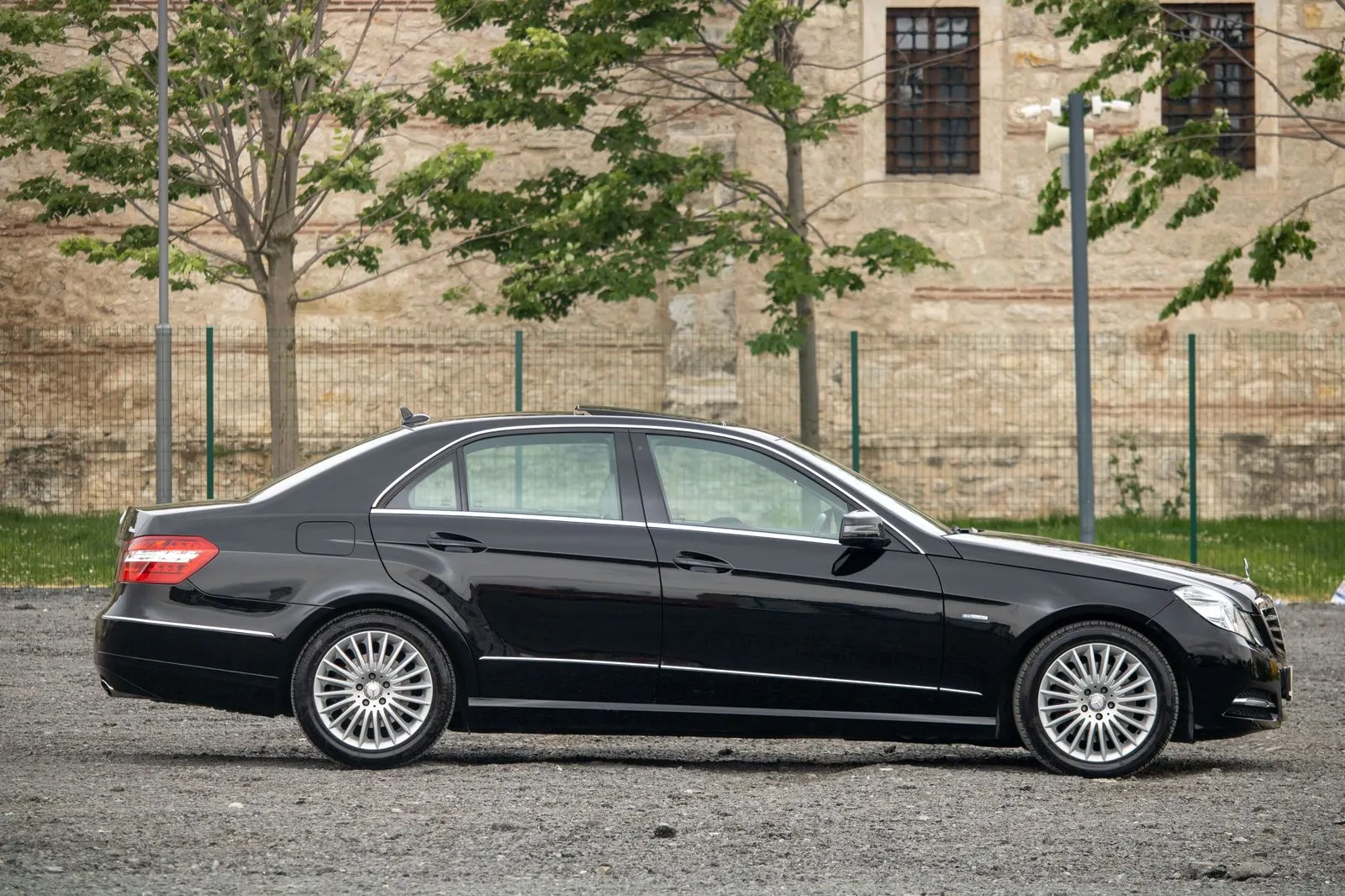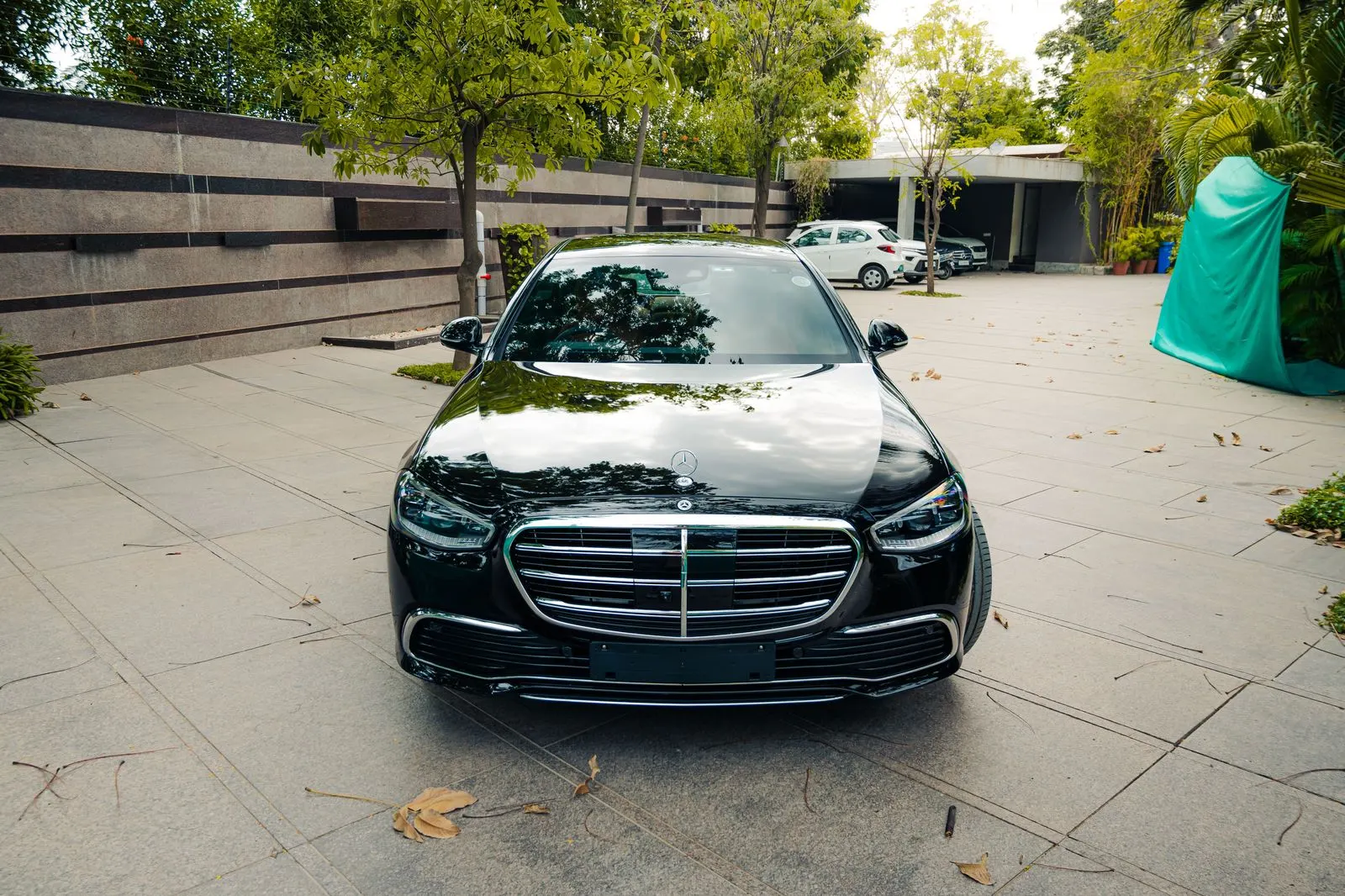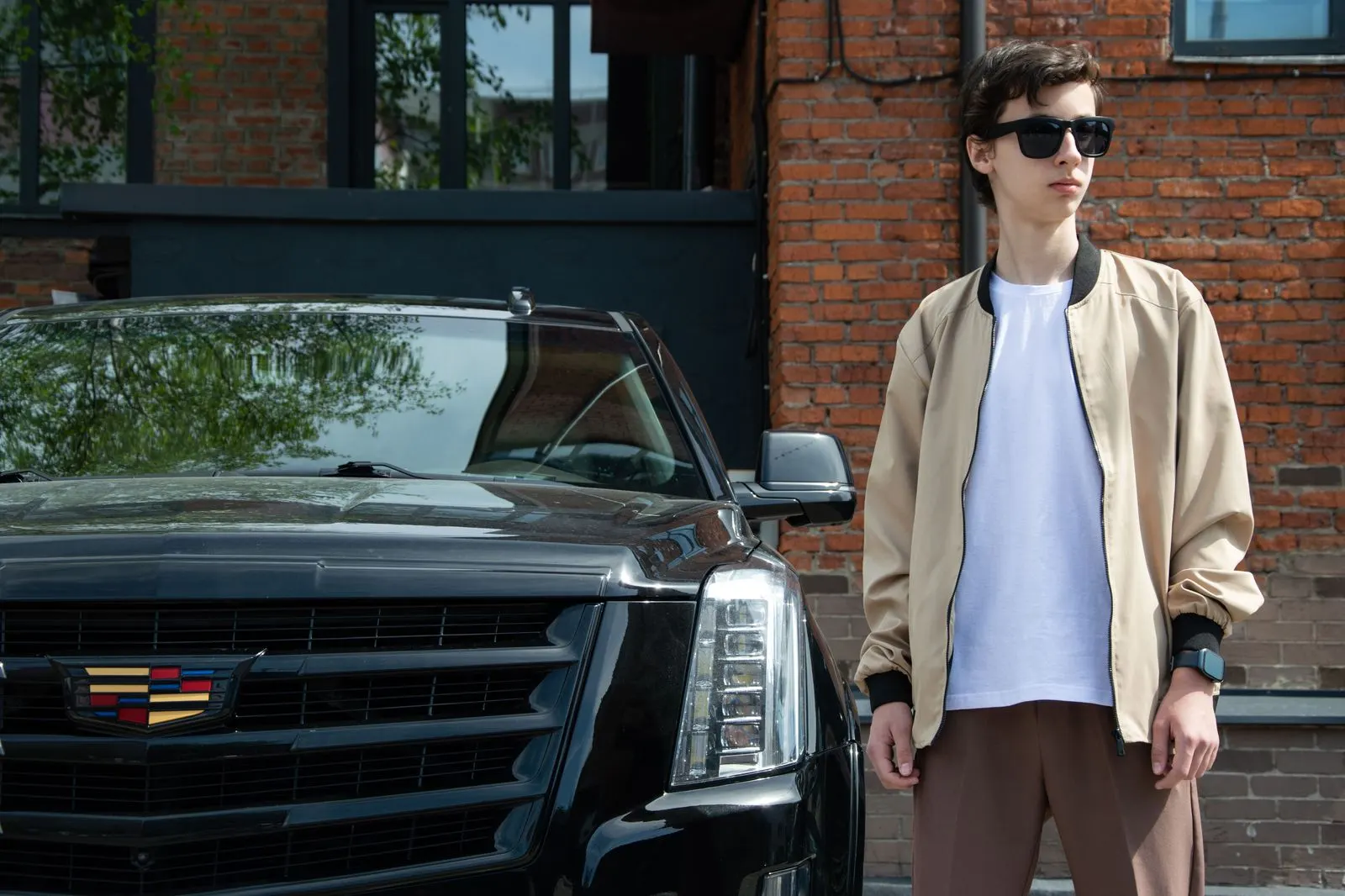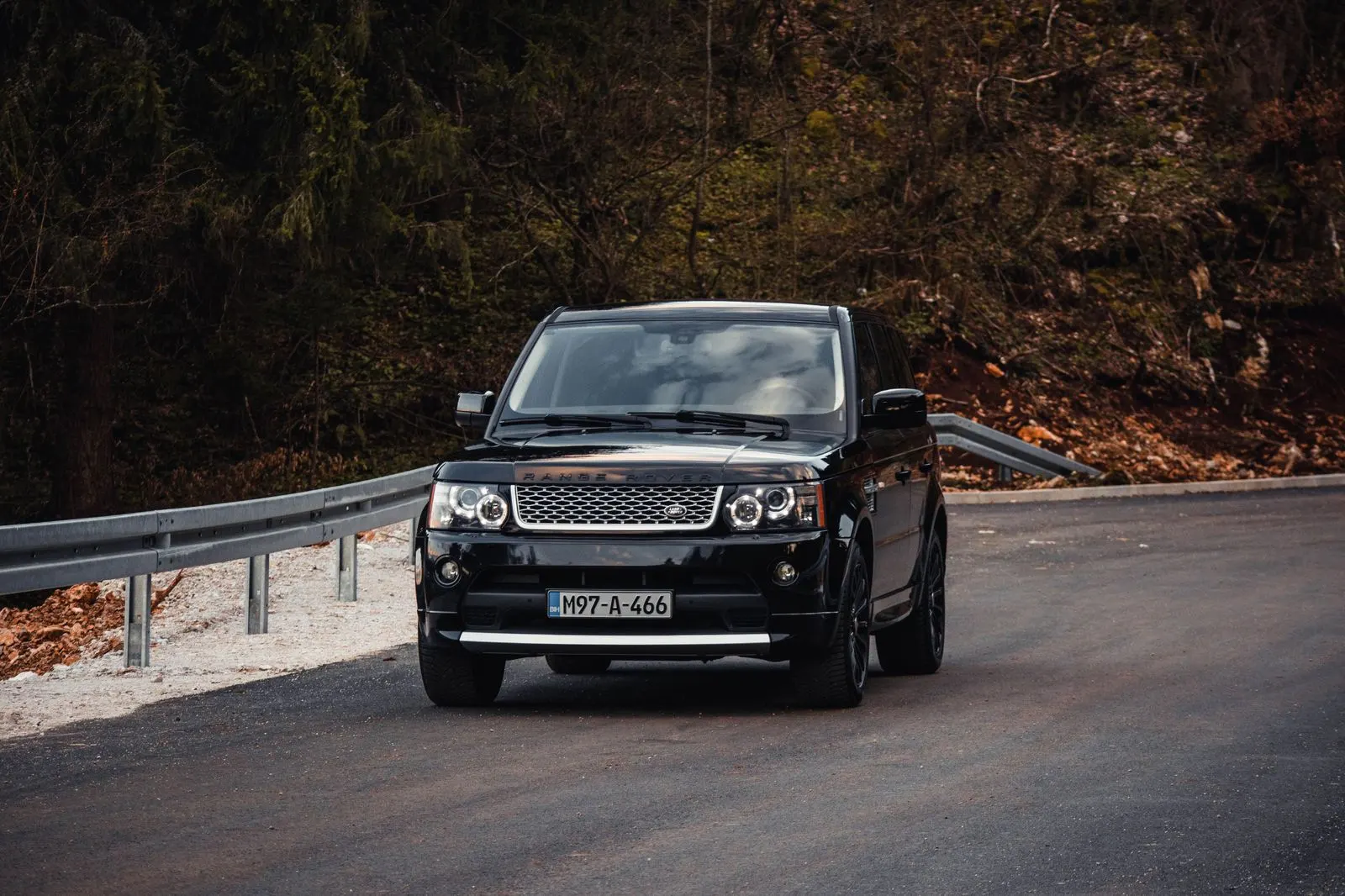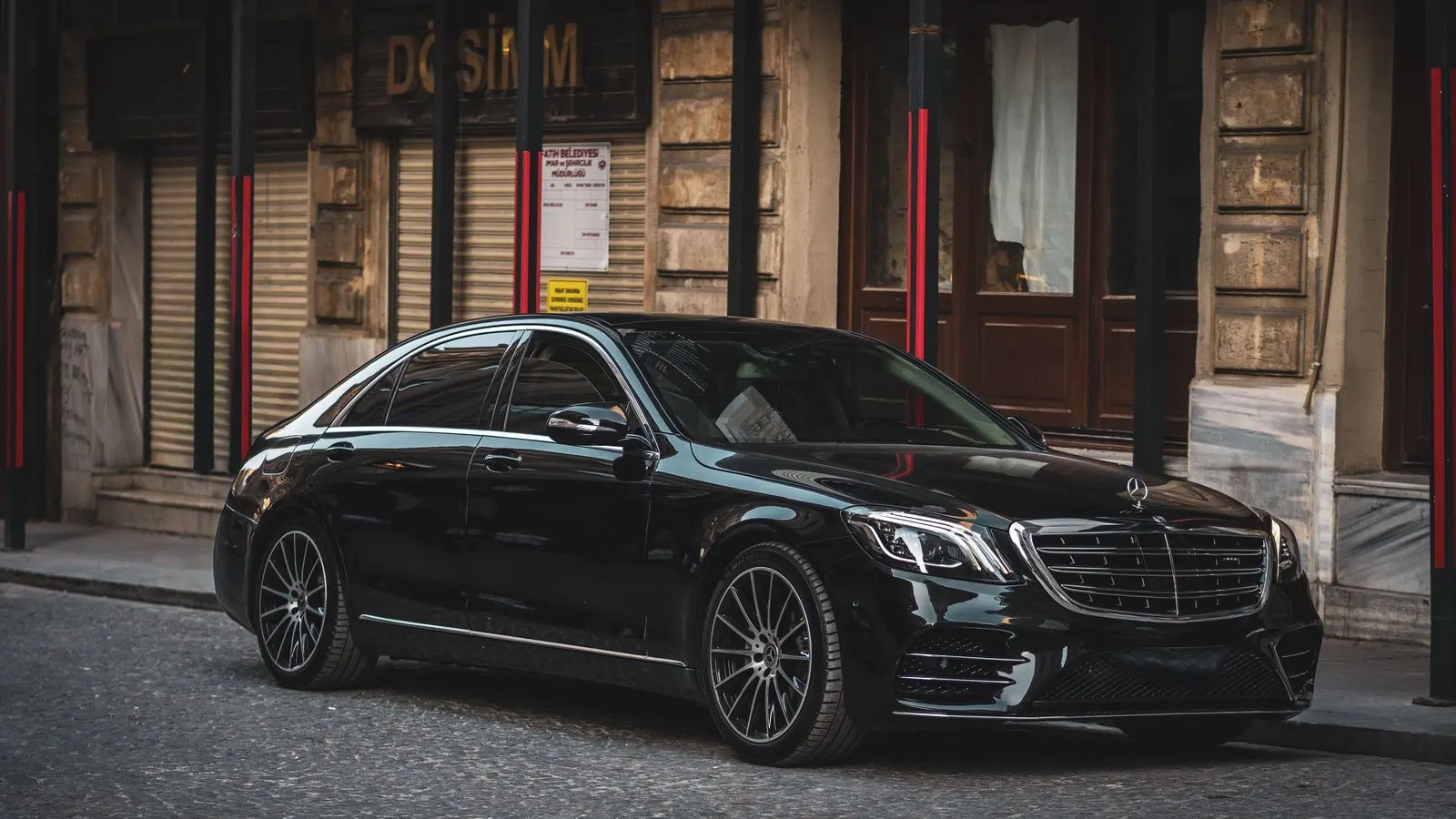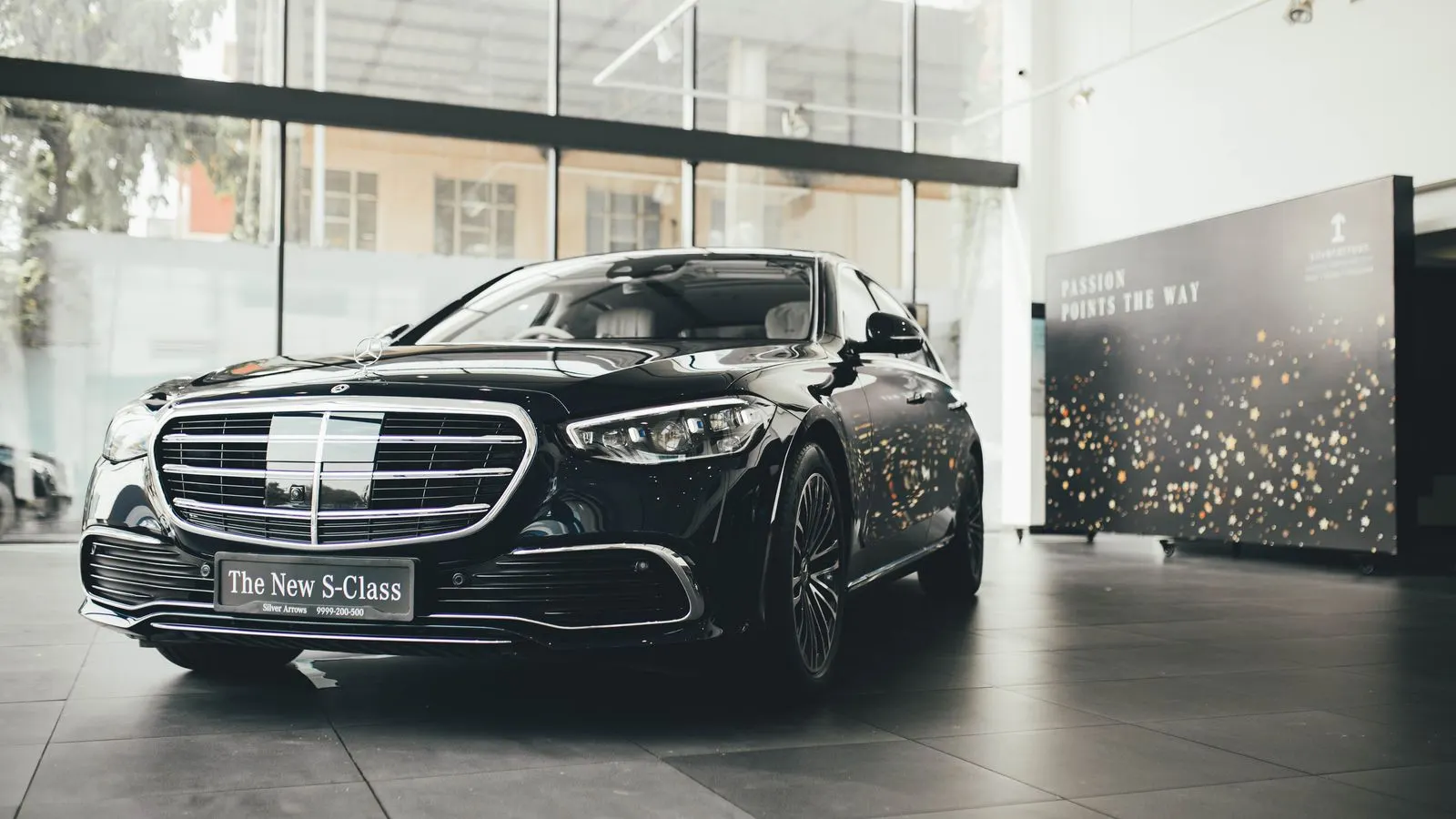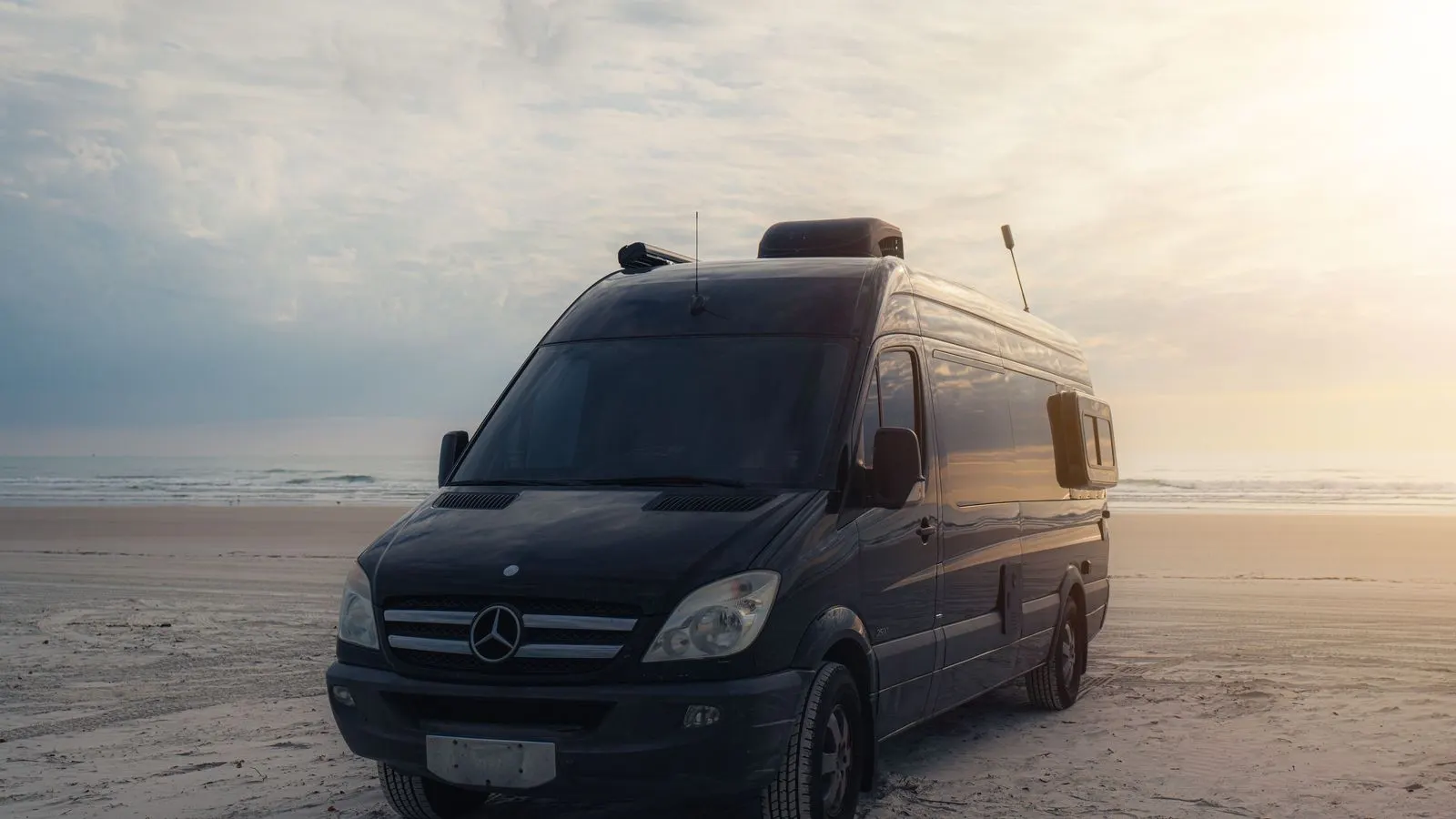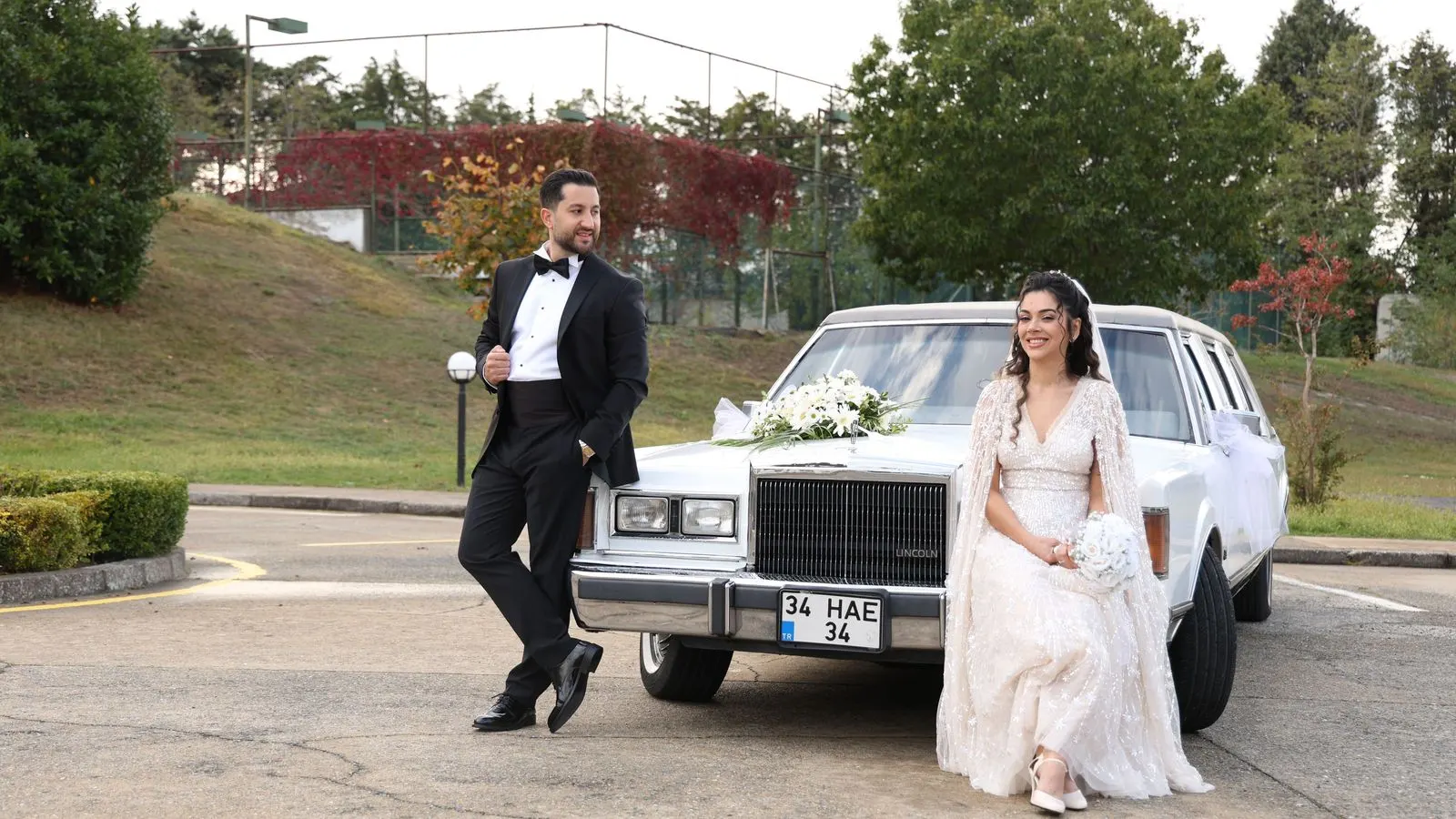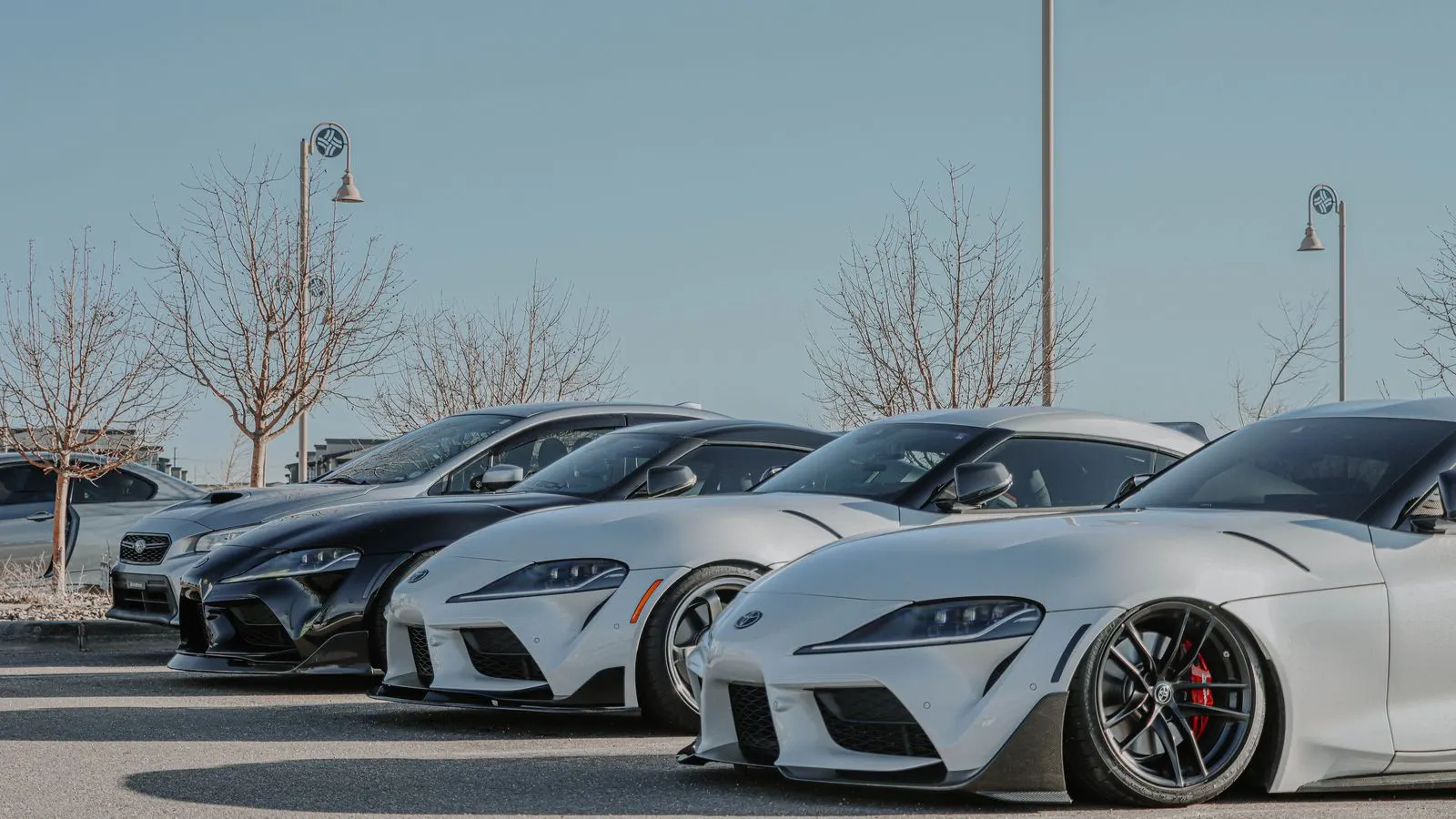










































































































RutzLimo.com's fleet is organised into eight vehicle classes - executive sedan, luxury sedan, executive SUV, first-class SUV, executive van, Sprinter and executive coach, stretch limousine, and minicoach and motorcoach - each with a fixed specification, a capacity stated as the comfortable maximum with luggage, and the same standard in every one of the 107 countries on the engine. The class you book is the class that arrives. Book any class or read the guide to choosing.
How to choose a class
Dispatch chooses vehicles by three numbers - passengers, large cases and the narrowest road on the route - and by one question: what is the journey for? The numbers set the floor; the question sets the class above it.
Passengers and cases. Count adults, and count every large checked case as one. Carry-ons and handbags ride in the cabin. Three adults with three cases is the honest limit of a sedan; a fourth of either moves the booking to an SUV. Six adults with six cases fills an SUV; seven takes the executive van; eight to fourteen the Sprinter; more, the coaches. Skis, golf bags, bicycle boxes, instruments and pushchairs count as cases, and usually as SUV cases.
The road. A stretch limousine cannot turn into a village church lane; a motorcoach cannot reach a hotel on a narrow street; a Sprinter can reach almost anywhere a car can. Dispatch knows the venues and will say.
The purpose. An airport run for one executive is an executive sedan. The arrival of a chairman is a luxury sedan. A family of four with a pushchair is an executive SUV. A principal with staff and a security detail is a first-class SUV. A team that wants to work between meetings is an executive van. A conference group is a Sprinter. A wedding party is a stretch limousine. Delegates from four hotels are a minicoach or motorcoach.
The eight classes
Executive sedan. Mercedes-Benz E-Class, BMW 5 Series, Audi A6, Cadillac CT5, Lexus ES or equivalent; three passengers, three cases. The workhorse of business travel and the default for the black car and executive car services: quiet, discreet, easy to bring to a lobby door. Hybrid or plug-in in most European gateways.
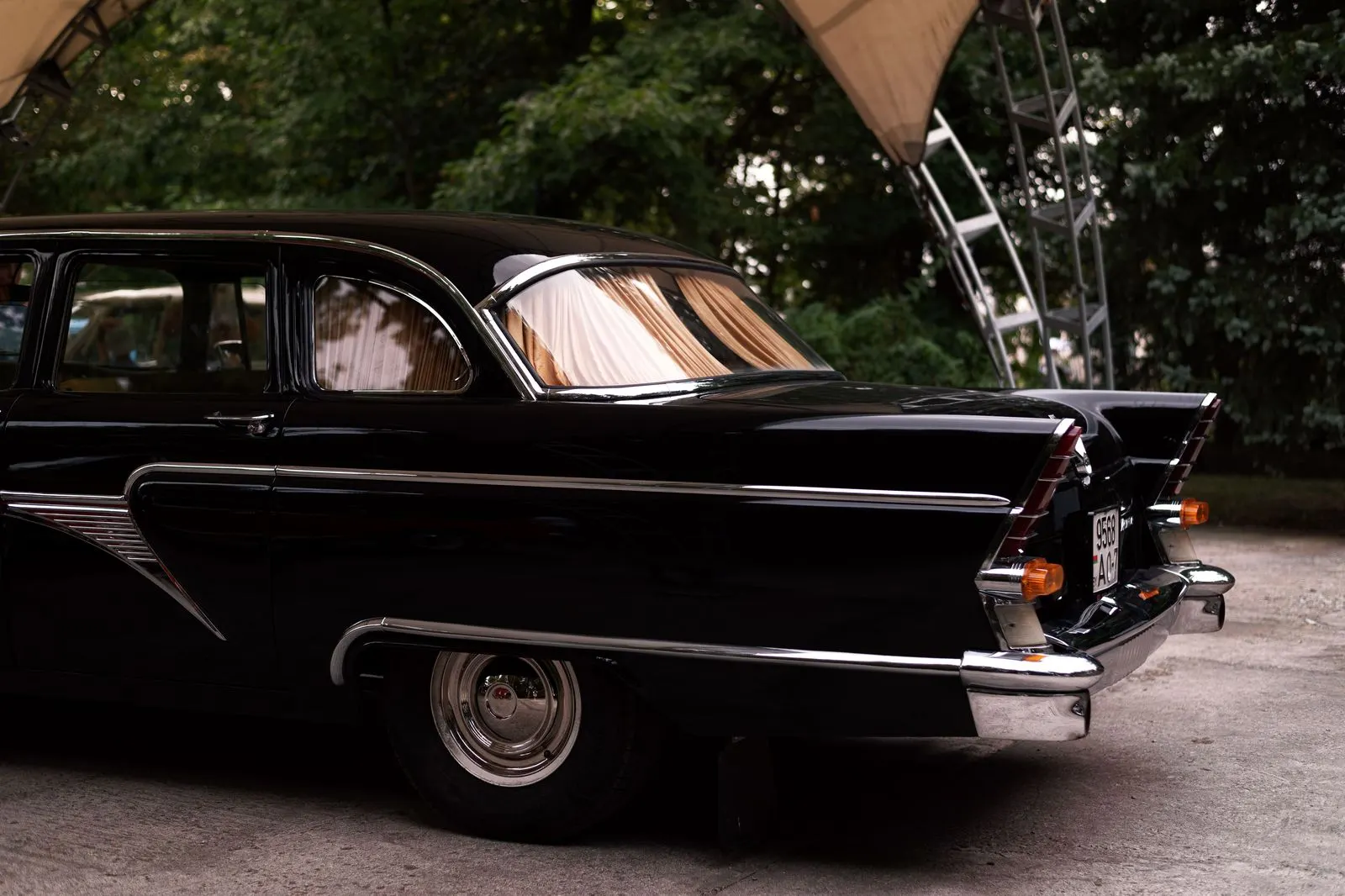
Luxury sedan. Mercedes-Benz S-Class including long wheelbase, BMW 7 Series, Audi A8 L, Lexus LS; three passengers, three cases; reclining, ventilated rear seats, rear climate, blinds. The luxury chauffeur service class for principals, VIP arrivals and long transfers where the back seat is an office or a bed. Ultra-luxury - Rolls-Royce, Bentley, Maybach - is confirmed individually by dispatch.
Executive SUV. Cadillac Escalade, Lincoln Navigator, Mercedes-Benz GLS, BMW X7, Range Rover; six passengers, six cases. The family car, the winter car, the equipment car, and the honest choice for two people with a fortnight's luggage. Ground clearance for mountain roads and airport snow.
First-class SUV. Cadillac Escalade ESV, Lincoln Navigator L, Range Rover Autobiography, Mercedes-Maybach GLS; four to five passengers, six cases; captain's chairs on the Maybach, privacy glass throughout. The vehicle for security-minded moves, artists and heads of delegation, and the standard for private-jet arrivals.
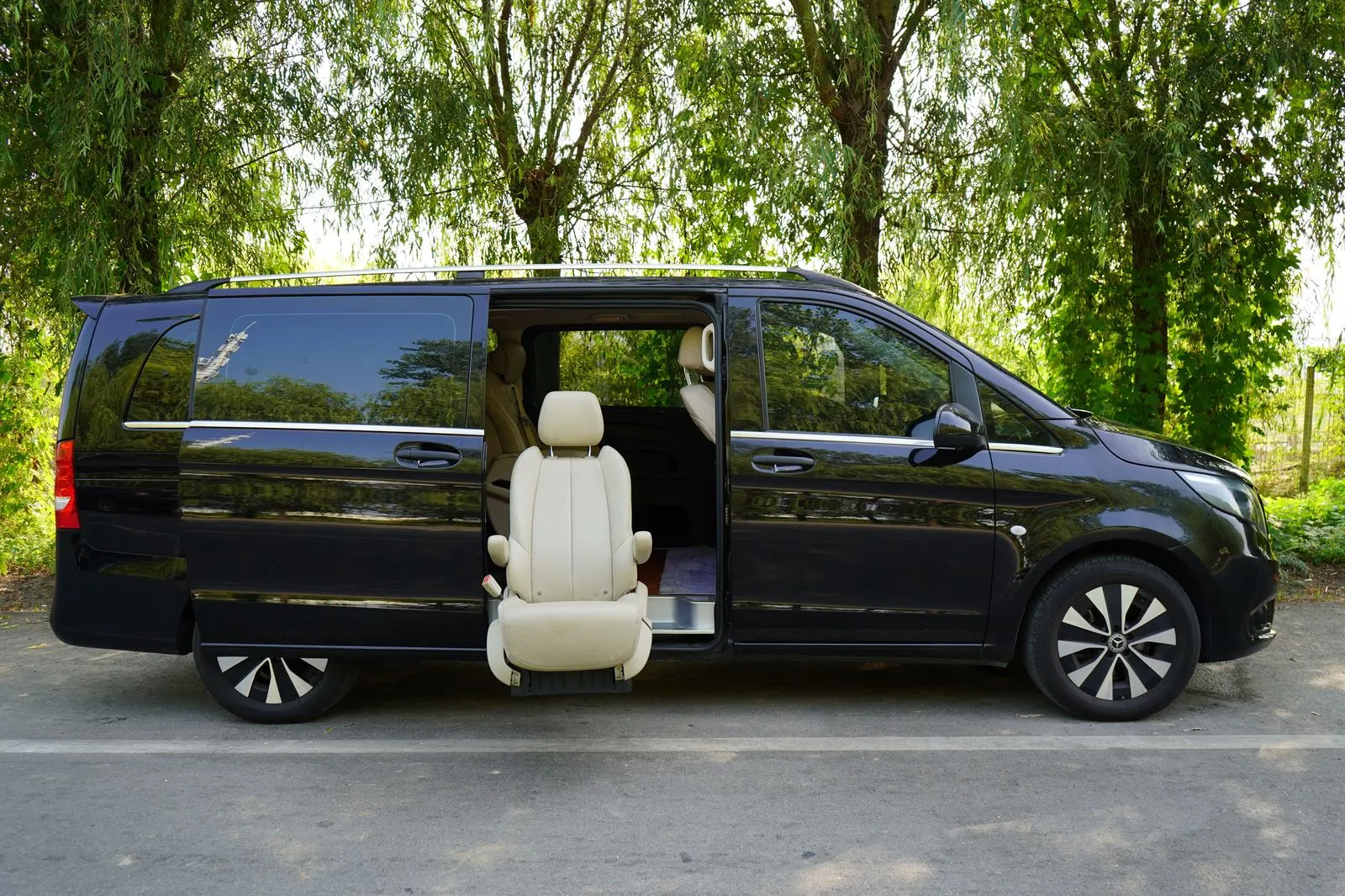
Executive van. Mercedes-Benz V-Class, Toyota Alphard and Vellfire, Chrysler Pacifica Pinnacle, Lexus LM; seven passengers, seven cases; facing seats in most configurations. A meeting room on the move for a team, and the standard executive vehicle in Japan, Singapore and Hong Kong. Also the seven-seat family vehicle.
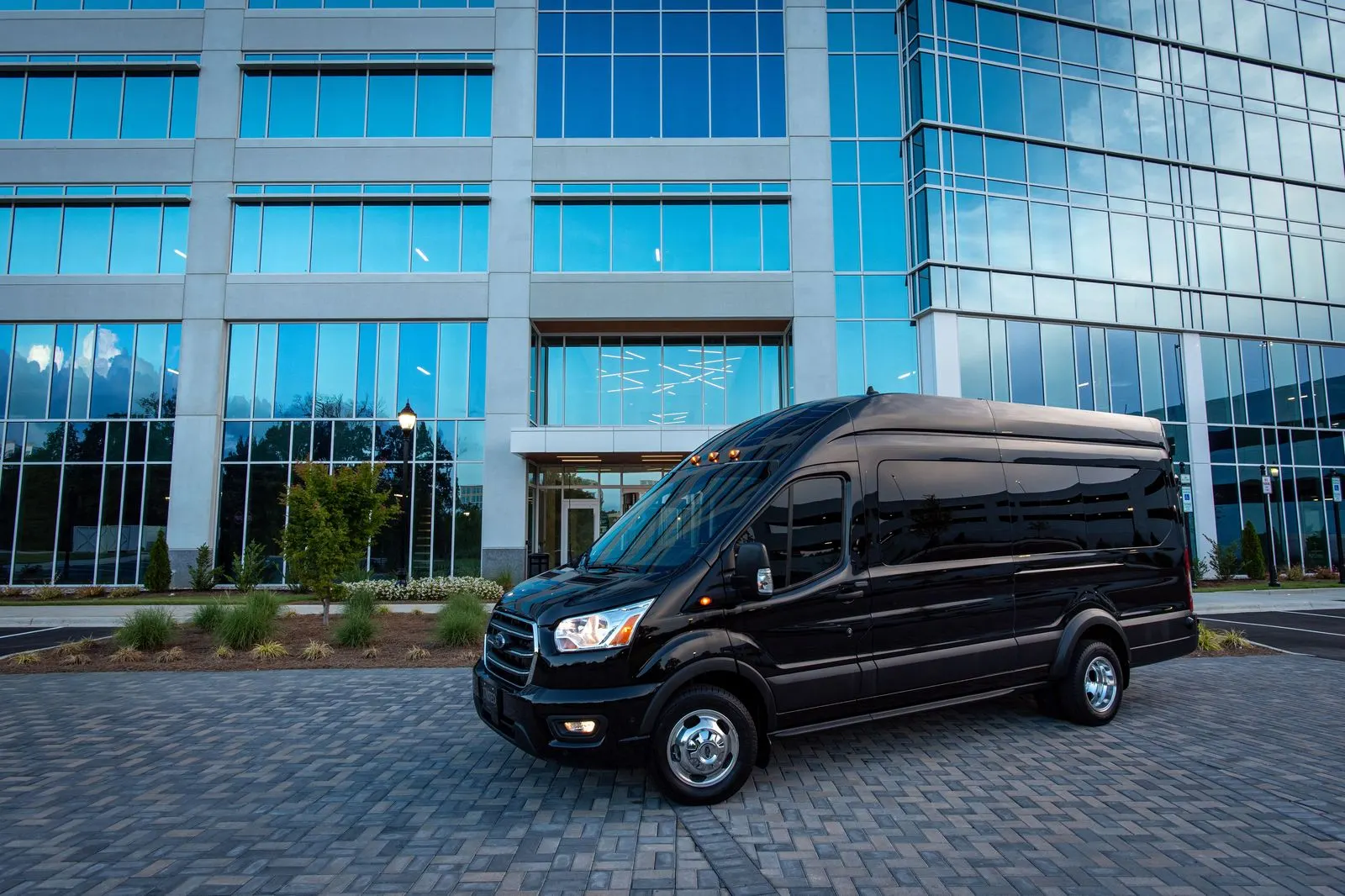
Sprinter and executive coach. Mercedes-Benz Sprinter and Ford Transit in executive configurations; fourteen passengers with fourteen cases in the shuttle layout, eight to ten in the lounge layout with tables and facing seats, crew layouts with tie-downs and trailers. The group vehicle for airports, conferences, weddings, crews and teams, described in full on the Sprinter page.
Stretch limousine. Lincoln Continental, Chrysler 300 and Cadillac stretches, six to ten passengers, four cases; partition, bar, lighting. An event vehicle for weddings, proms, premieres and celebrations, common in North America and confirmed by dispatch elsewhere; not a transport vehicle for business travel, where the sedan is quieter, faster and easier at a hotel door.
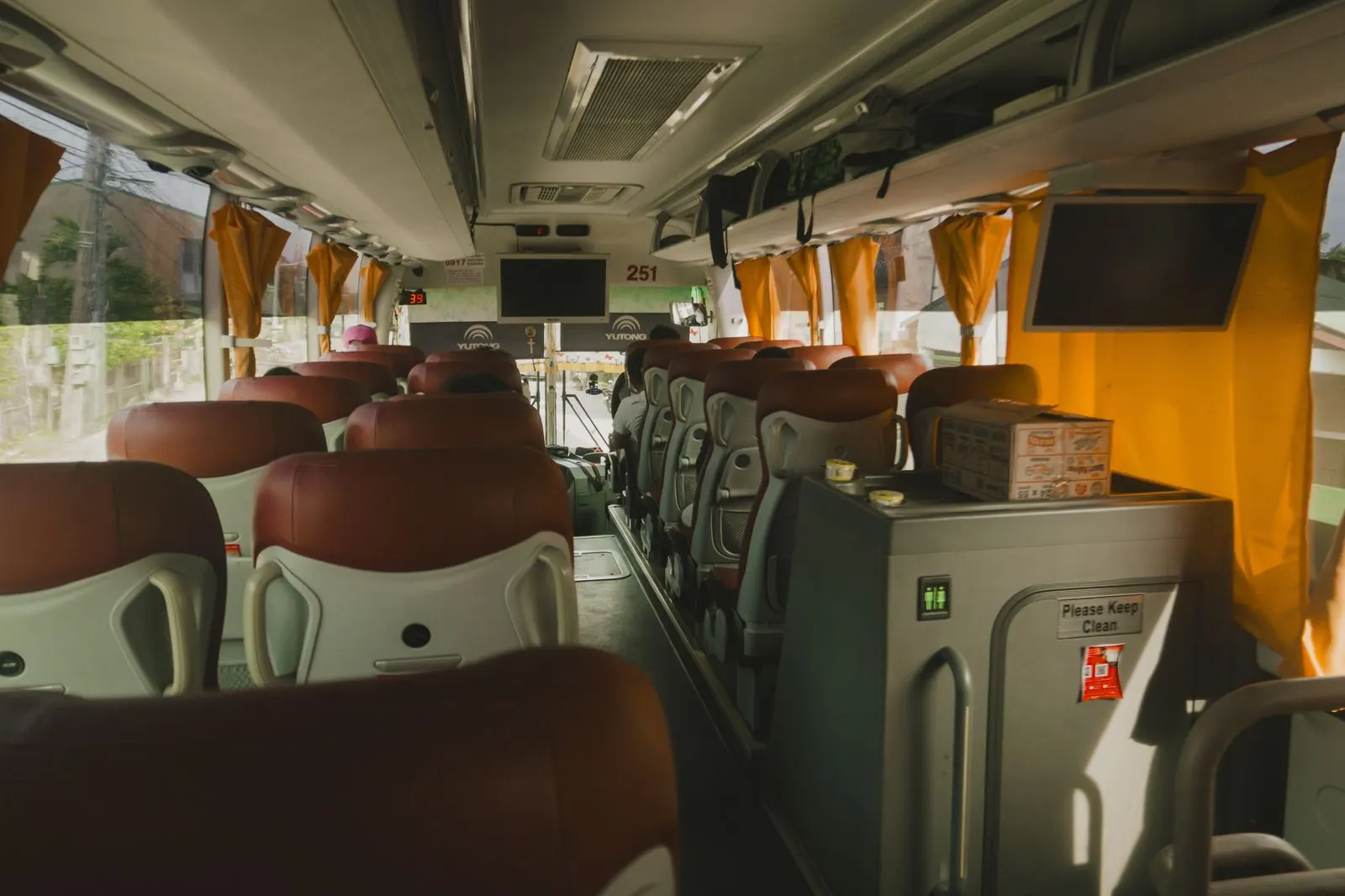
Minicoach and motorcoach. Twenty-eight-seat minicoaches and 49- to 56-seat motorcoaches with luggage bays, and a washroom on the larger coaches. Conference rotations, wedding guests, sports teams, tour groups, moved as one by the event desk with a coordinator at each end.
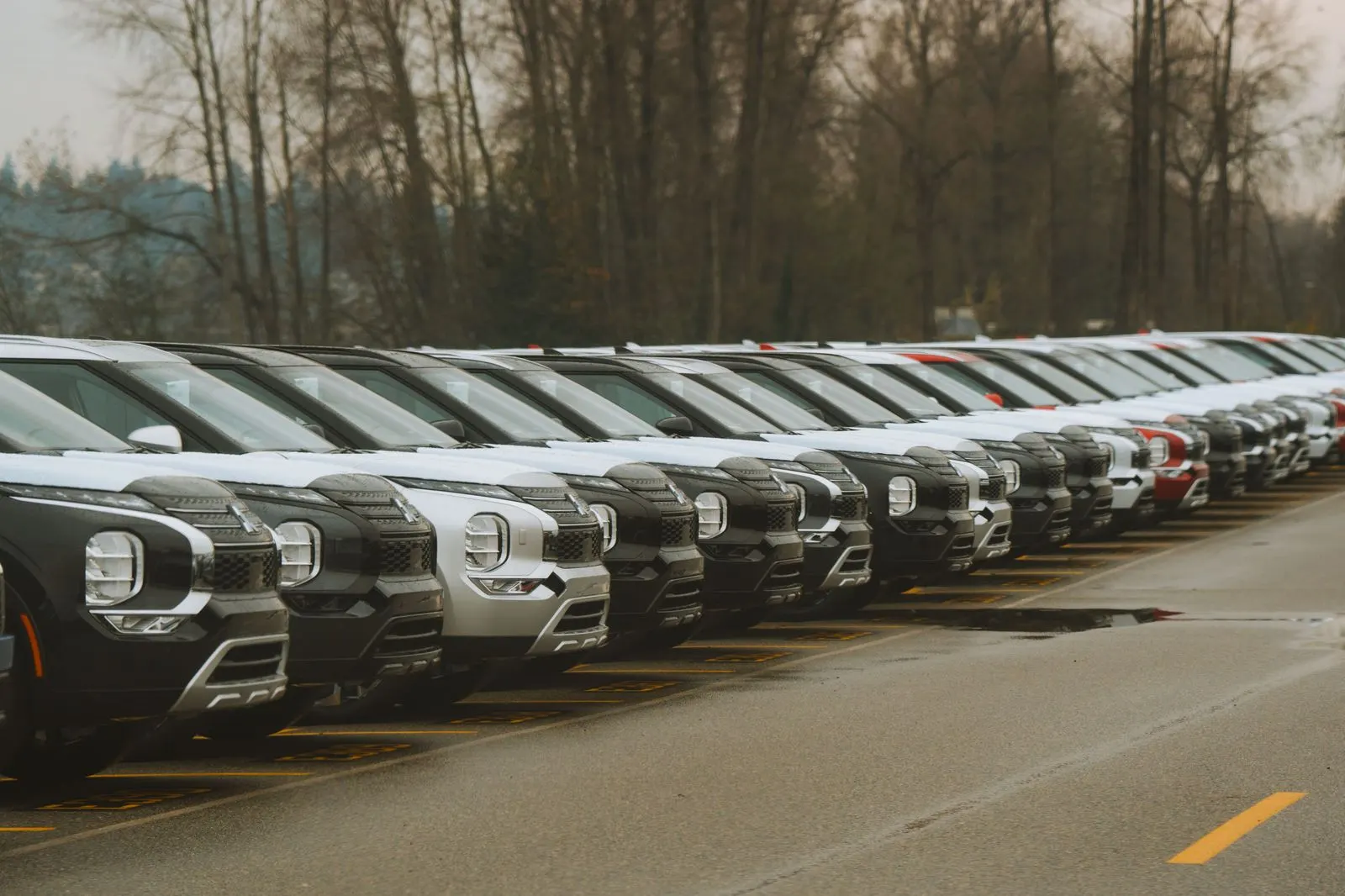
What every class has in common
Current-generation vehicles, detailed before every reservation and inspected on the schedule the jurisdiction requires. Commercial insurance for the seats carried. A chauffeur licensed for hire in the jurisdiction and, for the Sprinter and the coaches, licensed for that vehicle class. Bottled water; charging for USB-C, Lightning and USB-A; in-vehicle Wi-Fi where the local network allows it. Child seats - infant, toddler and booster - fitted at no charge when they are on the reservation. Seat belts on every seat, which the chauffeur will ask you to use. Tinted glass in the SUV and van classes and privacy glass in the first-class SUV. Wheelchair-accessible vehicles with a lift or a ramp in most gateway cities, requested on the reservation.
Substitution, upgrades and what "equivalent" means
The class you book is the class that arrives. Where a specific vehicle is unavailable on the day - a mechanical fault, a late return - the substitute is of the same class or, at no charge, the class above, and dispatch tells you. "Equivalent" in the class descriptions means a vehicle of the same segment, age and specification; an executive sedan is never a compact car with a chauffeur, and a first-class SUV is never a mid-size. If a specific model matters - for a photograph, a preference, a policy - request it and dispatch confirms it for the city and date, or says honestly that it cannot.
The fleet by region
The eight classes are defined centrally and delivered everywhere, but the models within them follow the local market, and it is worth knowing what to expect. In North America the executive SUV is the most-booked class and the Escalade, the Navigator and the Suburban dominate it; the executive sedan is the Cadillac CT5, the Lincoln, the E-Class and the 5 Series. In Europe the executive sedan is the E-Class and the 5 Series almost without exception, the SUVs are the GLS, the X7 and the Range Rover, and the stretch limousine is rare. In the Gulf the luxury classes are the most-booked, the Maybach and the Autobiography are common, and the executive van is the Vito and the V-Class. In Japan the Toyota Crown and the Alphard are the executive standard and the Lexus LS the luxury sedan; in Singapore and Hong Kong the S-Class and the Alphard; in Australia the Holden's successors, the E-Class and the Kluger. Dispatch describes the exact mix for the city when you ask, and the destinations page lists the cities.
Fleet standards and inspection
Every vehicle on the network is subject to the licensing authority's inspection regime in its jurisdiction - annual or more frequent mechanical inspection, commercial-vehicle roadworthiness, insurance verification - and to the Limousine Association International's standards on vehicle age, presentation and equipment, which operators must evidence to remain listed on the LimousineWorldwide.Directory. The International Organization for Standardization's road-vehicle standards and each country's transport regulator - the United States Department of Transportation and its provincial and state equivalents in North America, the national transport ministries in Europe and Asia - set the baseline; the association's standard sits above it.
Matching the class to the journey, in practice
A few worked examples from dispatch's daily traffic show how the numbers and the purpose combine.
Two executives, Heathrow to the City, one case each. Executive sedan. Three would still be a sedan; add a third case each and it becomes an executive SUV.
A family of four, Orlando to a resort, two large cases, two carry-ons, a pushchair and a car seat. Executive SUV, with the infant seat fitted before departure. The sedan's boot would take the cases and nothing else.
A chairman, JFK to Manhattan, two cases, a briefcase. Luxury sedan, meet-and-greet, the S-Class long wheelbase. A second vehicle if the chief of staff and the luggage travel separately.
A principal with two staff and a protection officer, Van Nuys FBO to Beverly Hills. First-class SUV for the principal and the officer, executive SUV for staff and luggage, convoy spacing agreed with the security lead.
Seven consultants, hotel to a client's campus and back for three days, laptops and roller bags. Executive van with facing seats, booked by the hour each day, so the journey is a working session.
Twelve wedding guests, hotel to a country-house venue, evening return. Sprinter, two rotations, the wedding desk holding the timeline.
Two hundred delegates, four hotels to a convention centre. Four motorcoaches and two minicoaches on a fifteen-minute rotation with coordinators at each bay, planned by the event desk.
A couple, Civitavecchia to a Rome hotel after a cruise, four large cases. Executive SUV - cruise luggage is heavier than airline luggage, and the sedan would be a squeeze.
Luggage, in numbers
Dispatch works from the airline's definition of a large checked case - roughly 75 by 50 by 30 centimetres, or 30 by 20 by 12 inches, at up to 23 kilograms - and the IATA baggage guidance is a useful reference for it. A sedan boot holds three of those; an SUV six with the third row folded, or four with the third row up and six passengers aboard; the executive van seven behind the rear seats; the Sprinter's rear bay fourteen. Golf bags count as one case each and travel flat; skis and snowboards as two and travel in the SUV or the van; a bicycle in a box as three and needs the SUV, the van or the Sprinter; a cello as a passenger, on its own seat, belted. A pushchair folds to one case. Tell dispatch what is travelling and the vehicle will be right.
Accessibility across the fleet
Wheelchair-accessible vans and Sprinters with a rear or side lift, or a ramp, are available in most gateway cities; the sedan and SUV classes carry folding wheelchairs in the boot and the chauffeur assists with transfers. Passengers with reduced mobility who can transfer to a seat often prefer the SUV for its height. Service animals travel in every class. Tell dispatch what is needed on the reservation and the vehicle and the pickup point - a terminal's accessible zone, a hotel's step-free entrance - are chosen for it.
Presentation and the chauffeur's checklist
Before every reservation the chauffeur runs the same checklist in every city: exterior washed, interior detailed, glass clean inside and out, water chilled, chargers present, child seats fitted if booked, fuel or charge sufficient for the journey with margin, tyres and lights checked, the passenger's name and the standing instructions read, the route reviewed for closures and the meeting point confirmed with dispatch. Vehicles that fail any item are not sent, and the class above goes instead.
Book any class - the fare is fixed before you confirm