









































































































A global chauffeur service lets a traveller or an organisation book chauffeured cars in many countries through one account, with the same vehicle classes, the same pickup rules, the same fixed-fare pricing and one invoice. RutzLimo.com does this across 107 countries and 363 cities, fulfilling reservations with its own fleet where it has one and with vetted LimousineWorldwide.Directory affiliates everywhere else. Book a multi-city itinerary or read how it holds together.
The problem a global service solves
Anyone who travels internationally for work has done the following: landed in a city, opened a ride-hail app that either does not operate there or operates differently, tried to remember the name of the car company the hotel used last time, and ended up in a taxi with a receipt that finance will query. Multiply that by a dozen cities a year and the cost is not the fares; it is the hours, the uncertainty and the occasional bad night.
A global chauffeur service replaces that with a single system. The account holds who you are and how you like to travel. The engine knows the airports, the terminals and the fares in every city it covers. The standard - which vehicles, how the chauffeur behaves, what happens when the flight is late - is fixed centrally and enforced through the network. And the invoice is one document, in one currency, every month.
How RutzLimo.com covers 107 countries
There is no operator that owns a fleet in 107 countries, and any company that tells you otherwise is describing its affiliates. What matters is how the affiliates are chosen and controlled, and that is what the network page explains in full. In summary: in the cities where we operate our own fleet, a reservation is fulfilled by our chauffeurs; everywhere else it is fulfilled by an operator that is listed and reviewed on the LimousineWorldwide.Directory, that has been vetted against the standards of the Limousine Association International on licensing, commercial insurance, vehicle inspection and chauffeur conduct, and that works to our reservation engine's specification for the vehicle class, the pickup procedure and the fare.
The passenger experiences one company. The chauffeur in Frankfurt does not know or care which system the reservation came from; he knows the vehicle class, the flight number, the terminal door, the passenger's name and the standing instructions, and he is paid the same way whether the passenger booked from Toronto or Tokyo.
What stays the same everywhere
| Element | Global standard |
|---|---|
| Vehicle classes | Eight classes, same specification in every city - see the fleet guide |
| Fare | Fixed before confirmation; tolls, airport fees and gratuity included; currency chosen by you |
| Airport pickup | Flight-tracked; waiting from touchdown; terminal-door pickup included, meet-and-greet as an add-on |
| Chauffeur | Licensed for hire in the jurisdiction, commercially insured, background-checked, English-speaking |
| Changes and cancellations | One set of rules, shown on the confirmation and in the terms |
| Support | 24/7 by engine, chat, WhatsApp or phone, with dispatchers who can reach the chauffeur |
| Invoice | One monthly invoice on a corporate account, itemised by traveller and cost centre |
What changes from city to city - honestly
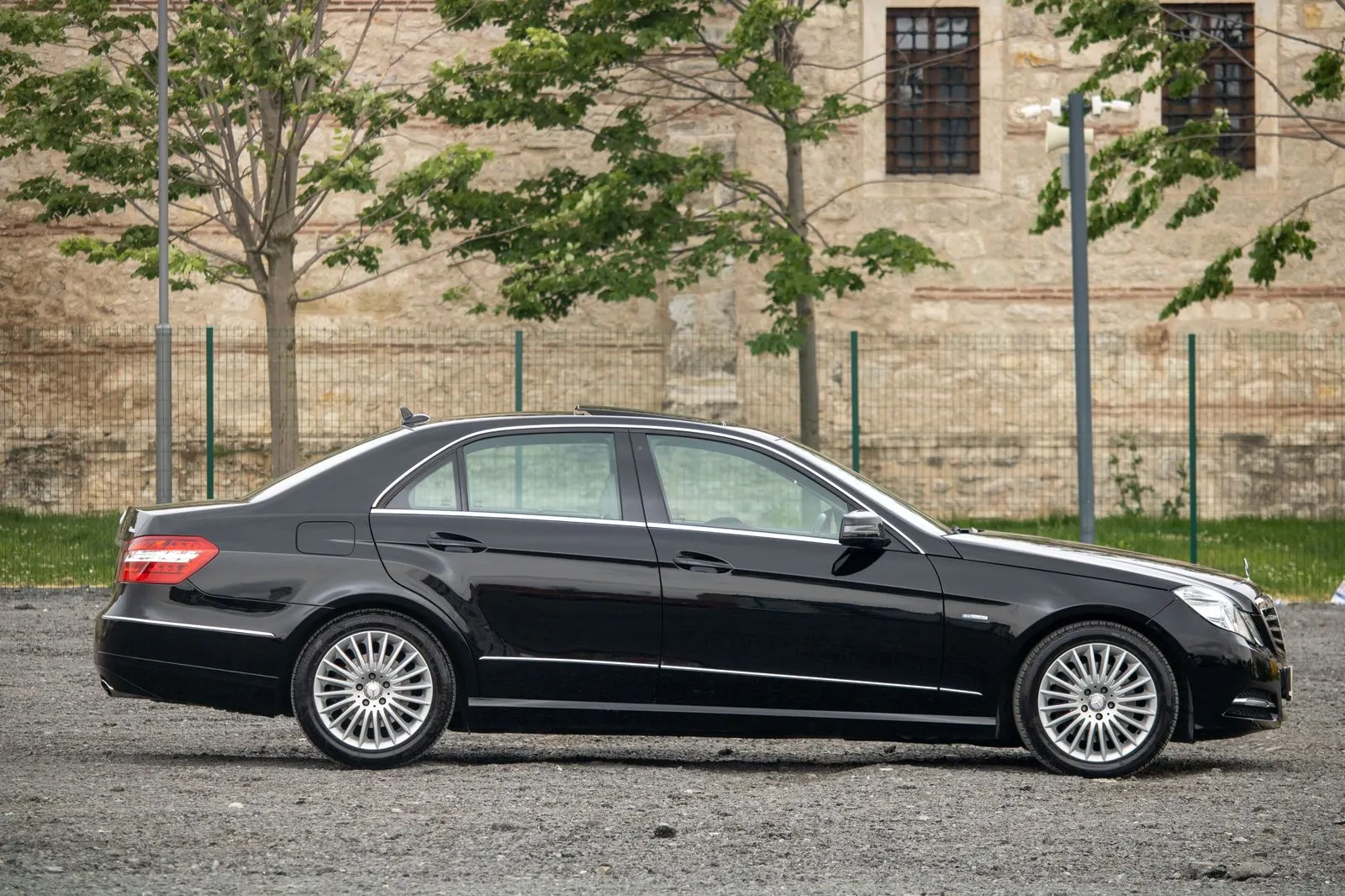
The model within a class changes with the local fleet: the executive sedan is an E-Class in Munich and a Cadillac CT5 in Dallas. The meeting point at the airport changes with the airport's rules, and dispatch sends the exact instruction each time. Lead times change: a car in four hours is routine in London and Dubai, and a day's notice is wiser in a smaller city. Some vehicle classes are thin in some places - stretch limousines are rare outside North America, executive vans are the norm in Japan - and dispatch will say so rather than promise what the city cannot deliver. Prices change with the local market, which is why the cost guide is organised by region.
The gateway cities
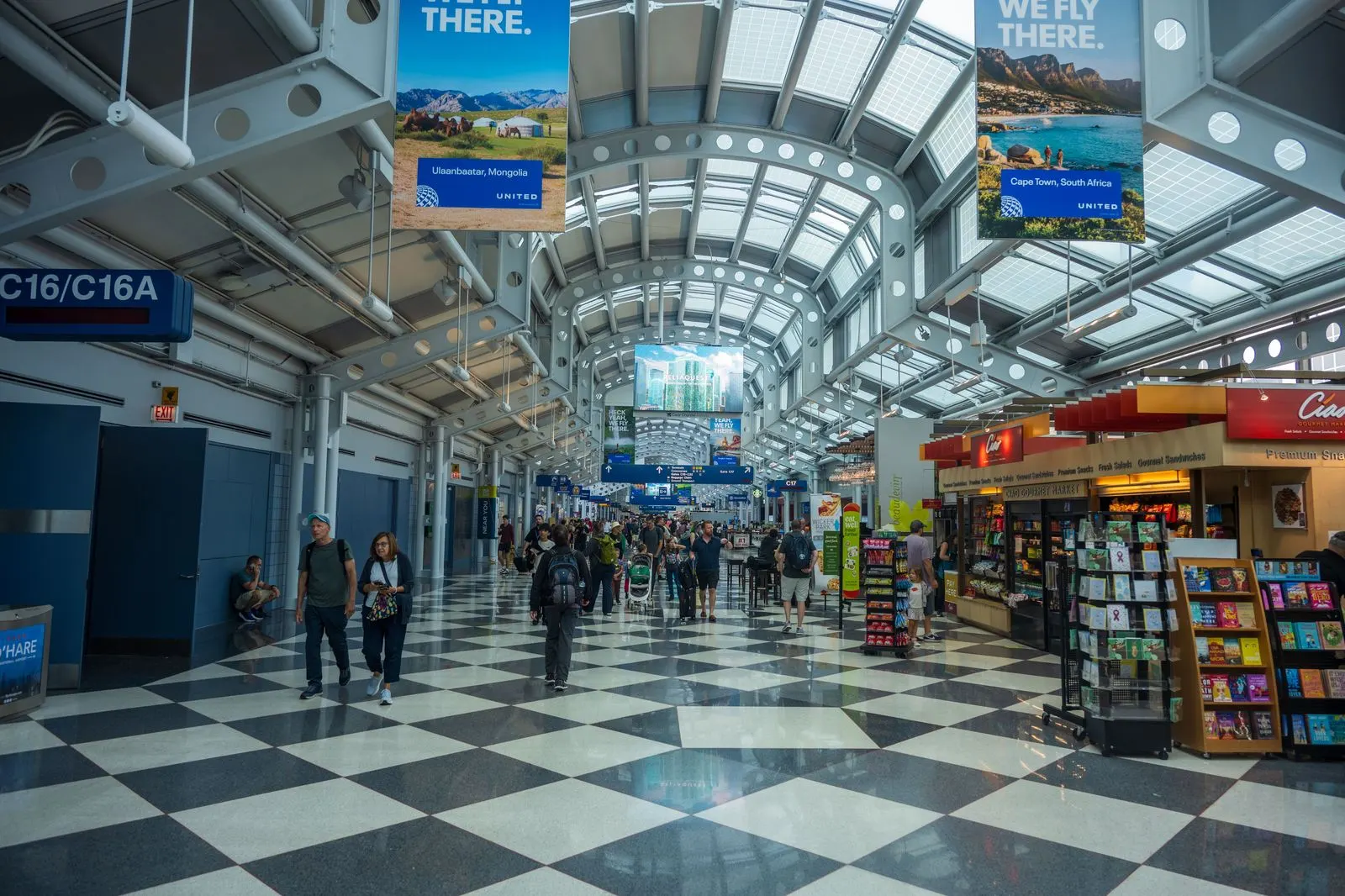
The cities with the deepest coverage - own fleet or several vetted affiliates, every class available, same-day lead times - are the ones international business actually moves through. In the Americas: New York, Los Angeles, San Francisco, Chicago, Miami, Dallas, Houston, Washington, Boston, Toronto, Montreal, Vancouver, Mexico City and Sao Paulo. In Europe: London, Paris, Frankfurt, Munich, Zurich, Geneva, Milan, Rome, Madrid, Barcelona, Amsterdam, Brussels, Vienna, Copenhagen, Stockholm and Dublin. In the Middle East: Dubai, Abu Dhabi, Doha, Riyadh, Jeddah and Tel Aviv. In Asia-Pacific: Singapore, Hong Kong, Tokyo, Osaka, Seoul, Shanghai, Beijing, Bangkok, Kuala Lumpur, Mumbai, New Delhi, Sydney and Melbourne. Every city on the engine is listed with its flag and its gateway airport on the destinations page, and the airports page lists the 346 airports with pre-loaded terminal data.
A multi-city itinerary on one reservation
The engine allows several journeys on one reservation, and the sensible way to book a trip is all at once, from the calendar. A week that runs Toronto - London - Dubai - Singapore - Toronto is eight transfers: home to Pearson, Heathrow to the hotel, hotel to Heathrow, Dubai arrival, Dubai departure, Changi arrival, Changi departure, Pearson to home. Booked together, each has the right flight number, the right terminal and the right class; each is fixed in the currency you chose; and the chauffeurs in four cities all see the same profile. Add an hourly engagement in Dubai for the day of meetings and a meet-and-greet at Changi because it is a 6 a.m. arrival, and the itinerary is complete before the flights are even ticketed. Changes are made to the individual leg; nothing else moves.
Who uses the global chauffeur service
Executive assistants who book for principals across regions, and who want one system and one invoice. Travel managers running a programme with duty-of-care obligations who need every journey recorded. Family offices and private clients who spend the year across three continents. Production companies moving talent and crews between locations. Sports federations and touring artists whose event transportation spans a season. Diplomatic missions. And frequent flyers who have simply had enough of learning a new car company in every city. The corporate account is the home for most of them; individuals book on the engine and build a profile.
Time zones, languages and currencies
Dispatch is staffed around the clock, and a reservation made at 2 a.m. in one city is handled by a dispatcher awake in another. Chauffeurs speak English and the local language; additional languages are requested on the reservation. Fares are shown and charged in the currency you select, and corporate invoices are issued in the account's currency with local receipts attached. The engine follows the ISO 4217 currency codes you would expect, and airport data follows the IATA codes airlines use, so "DXB" and "SIN" mean what your ticket says they mean.
How the standard is enforced across the network
Consistency across 107 countries is not a promise; it is a process, and it has four parts. Selection: an operator joins the network only after its licensing, commercial insurance, vehicle inspection records and chauffeur screening have been verified against the Limousine Association International's standards, and its listing on the LimousineWorldwide.Directory is reviewed. Specification: every reservation carries the vehicle class, the pickup procedure, the waiting rules and the fare, and the operator accepts the job on those terms or does not accept it. Feedback: every passenger is invited to rate the journey, and dispatch reads every rating; two substandard journeys in a city trigger a review and, if necessary, a replacement operator. Escalation: a dispatcher who can reach the chauffeur is awake in every time zone, so a problem in Bangkok at 3 a.m. Toronto time is handled in Bangkok, not queued for the morning.
The passenger sees none of this. They see the same class of car at the same kind of door with the same rules in every city, and that is the product.
Planning an international itinerary with dispatch
For itineraries with more than four or five legs, or with anything unusual - an overnight road journey between cities, a border crossing, a security detail, a principal with particular requirements - the fastest route is a conversation with dispatch rather than the engine. Send the itinerary from the calendar - flights, hotels, meetings - by email or WhatsApp; dispatch returns the transport plan with every leg, every vehicle, every meeting point and the fixed total in your currency, usually within one working day. Confirm, and each leg appears on the account with its own confirmation and its own chauffeur details as they are assigned. A travel manager or an assistant can do this on behalf of several travellers at once, and the corporate account keeps the plans, the profiles and the invoices together.
Border crossings, documents and local rules
Where an itinerary crosses a land border by road - Toronto to Buffalo, Geneva to Chamonix, Singapore to Kuala Lumpur, San Diego to Tijuana - the chauffeur and the vehicle must both be permitted to cross, and the passenger must carry the documents the border requires. Dispatch confirms both at booking; for United States crossings the CBP traveller guidance is the authority. In some countries a chauffeured vehicle may not collect inside certain zones - airport forecourts, financial districts, royal precincts - and the meeting point dispatch sends reflects that rule rather than convenience. In a handful of cities the executive sedan is a locally standard model that is not a European or American marque - a Toyota Crown in Tokyo, for example - and it is a superb car; dispatch will say so rather than promise a badge.
The global chauffeur service for events and seasons
Some clients' global need is not a trip but a season: a sports federation moving officials through a tournament's host cities, an orchestra on tour, a fashion house through four fashion weeks, a summit delegation across three capitals. Those are planned as a programme with the event transportation team and a named coordinator, with vehicles, coordinators and meet-and-greets in each city on one master plan, and are invoiced as a programme. The FIFA World Cup 2026 host cities across Canada, the United States and Mexico are a current example, with supporter, sponsor and federation programmes being built now.
Coverage, in numbers
The engine covers 107 countries grouped into four regions - the Americas, Europe, the Middle East and Africa, and Asia-Pacific - with 363 cities pre-loaded with fare tables, 346 international airports with terminal and pickup-zone data, 148 cruise terminals and 52 business-aviation airports with FBO ramp procedures. Eight vehicle classes are defined centrally. Dispatch operates 24 hours a day, every day, in English, with the local language in every city. All of it is reached from one account, one login and one number.
What to send us for a fast confirmation
For a multi-city plan the confirmation is fastest when the request carries the flights with airline and number, the hotel or office addresses, the passenger count and luggage, the vehicle class you expect, any meet-and-greet or hourly days, the account currency, and the name and mobile number of the person the chauffeurs should contact on the ground. With those, dispatch confirms most itineraries the same working day; without them, the plan comes back as questions.
Book a multi-city itinerary on one account