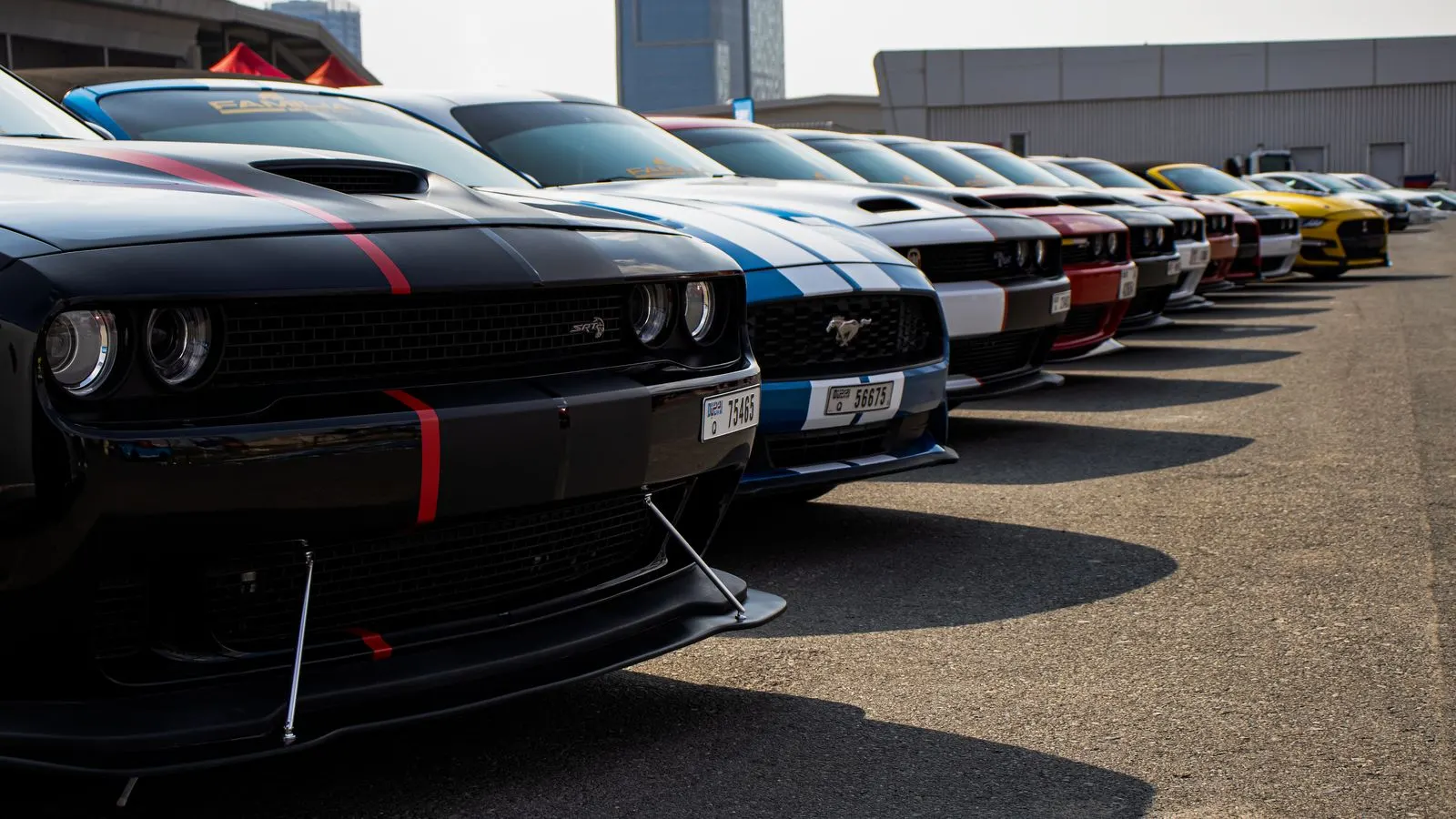










































































































Event transportation services move groups and VIPs for a conference, a product launch, a premiere, a sporting event, a festival, a production or a state visit: shuttle rotations for delegates, executive sedans and SUVs for speakers and principals, Sprinters and coaches for teams and crews, and a coordinator who runs the plan on the day. RutzLimo.com plans and delivers events in 107 countries with a fixed price agreed in writing. Talk to the event desk or book individual VIP cars on the engine.
What event transportation involves
Moving one person is a reservation. Moving three hundred people between four hotels and a convention centre on a schedule, while forty of them are speakers who must be at the door at a specific minute and six are principals with security teams, is an operation - and it fails in the seams: the shuttle that leaves with three people on it while ninety wait, the speaker whose car was at the wrong entrance, the coach that could not get down the venue's access road. Event transportation is the discipline of removing those seams, and it begins with the plan.
The plan is built from the event's schedule - sessions, meals, receptions, offsites - and the movement it implies: who is where, when, and how many. From that come the vehicle counts by class and by hour, the shuttle rotations with their frequencies, the VIP car assignments with their meeting points, the venue access arrangements, the airport arrivals and departures over the surrounding days, and the staffing - coordinators at the hotels, at the venue and at the airport, with radios and one shared sheet. The plan is priced as a package with a fixed total; on the day it is run by a lead coordinator who is the one number the client's event team needs.
Conferences, congresses and corporate events
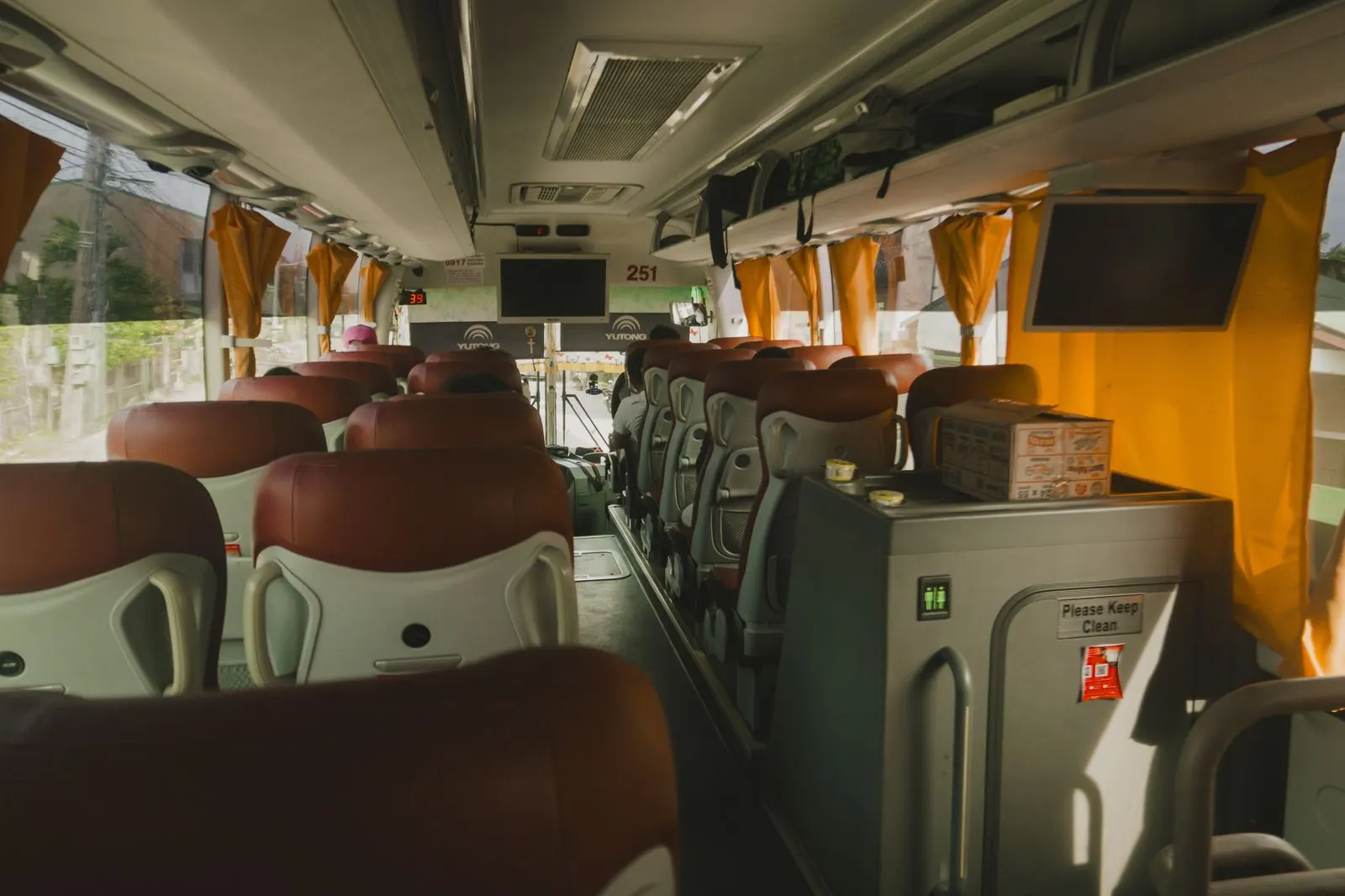
The core of most events is the delegate shuttle: minicoaches and motorcoaches from the fleet running a published rotation between the hotels and the venue in the morning and evening peaks, with a coordinator at each hotel bay and a real-time count. Alongside it run speaker and VIP cars - executive sedans and SUVs assigned by name, with the chauffeur briefed on the venue's speaker entrance - and offsite moves to dinners, receptions and site visits in Sprinters and coaches. The surrounding days are airport operations: staggered arrivals on dozens of flights met under the airport limo rules by a coordinator in the hall and marshalled to vehicles, and departures planned by flight. Corporate clients run all of it on a corporate account with the event invoiced as one line.
VIP, celebrity and security-minded transportation
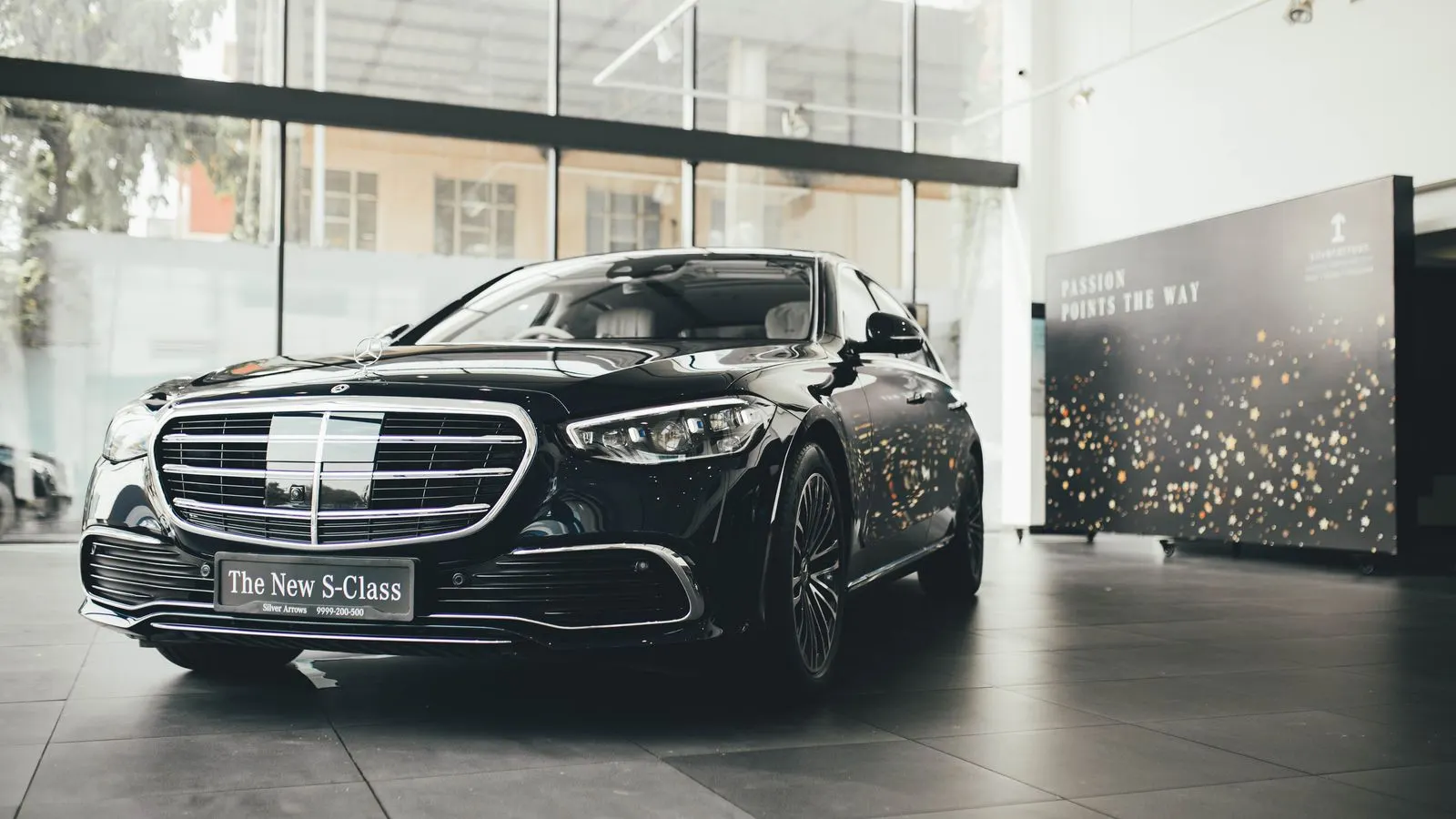
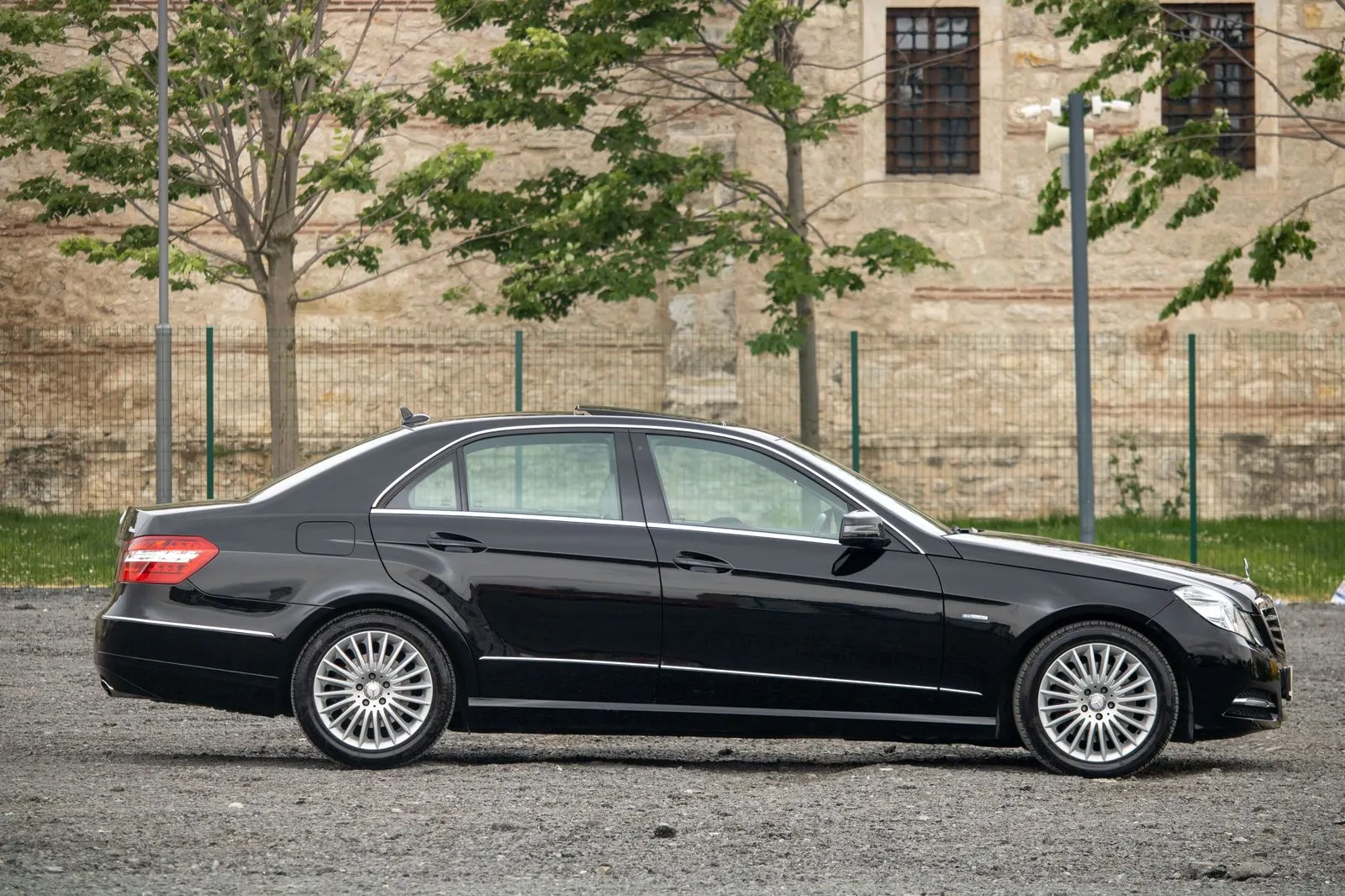
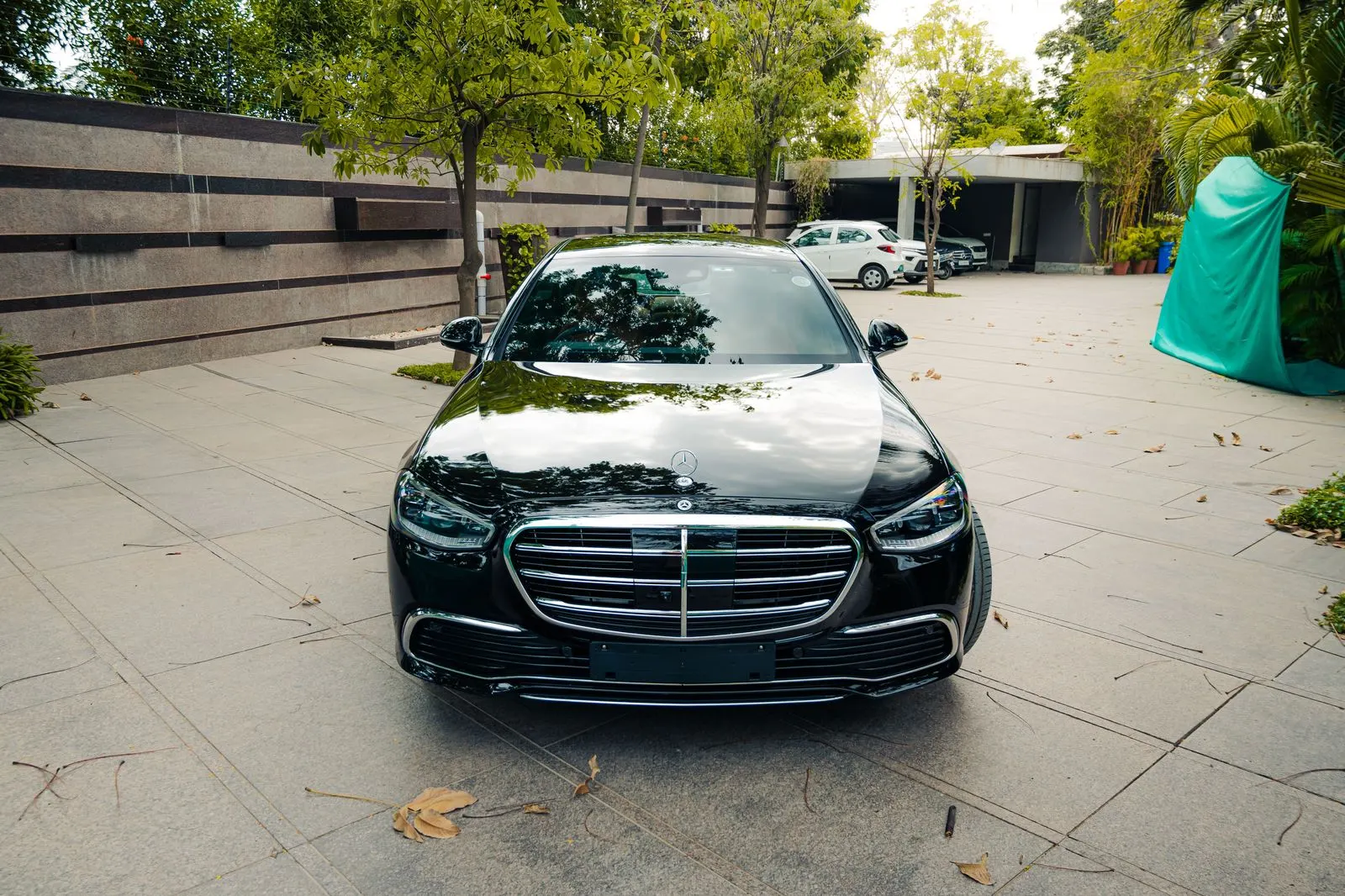
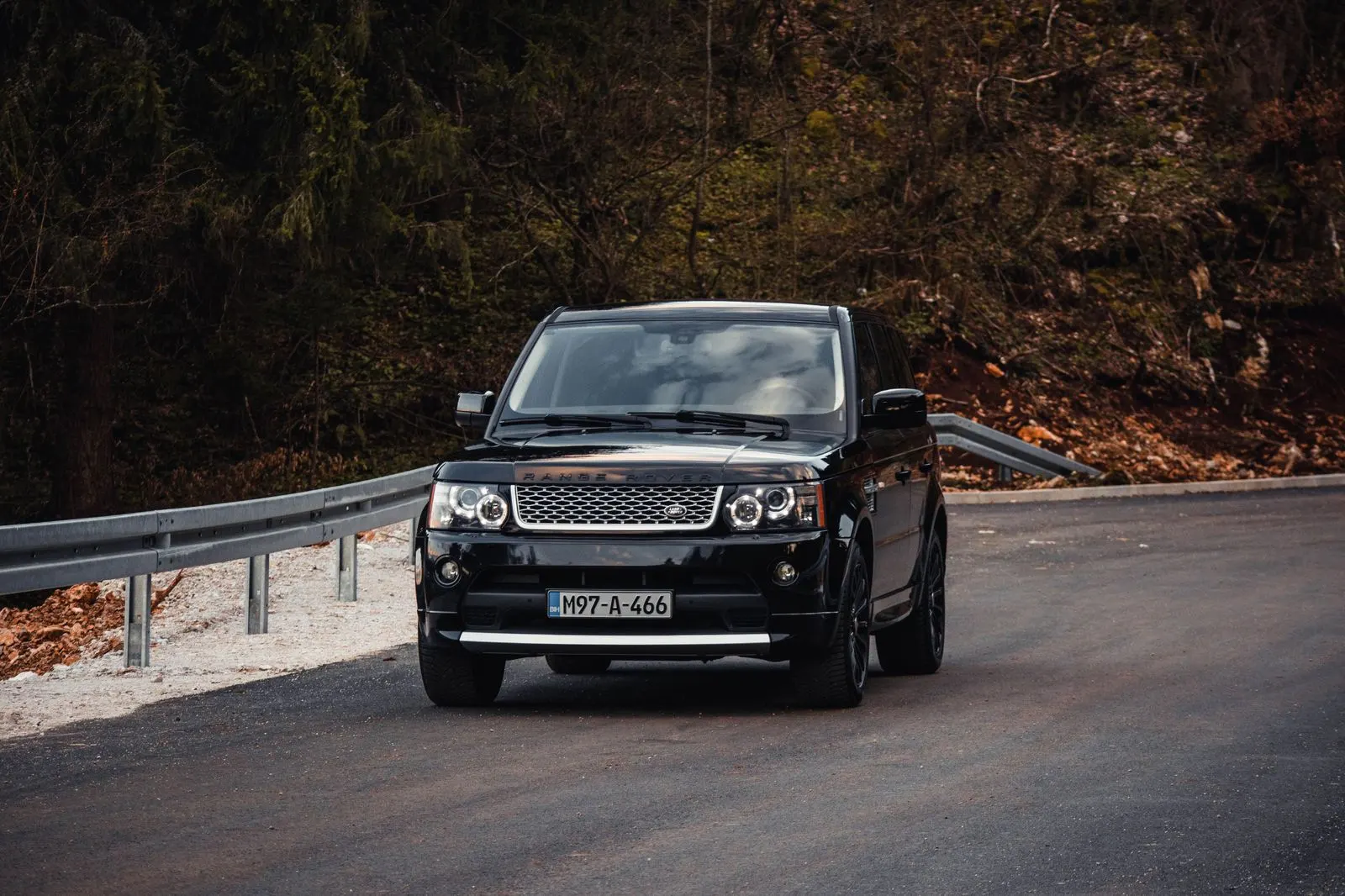
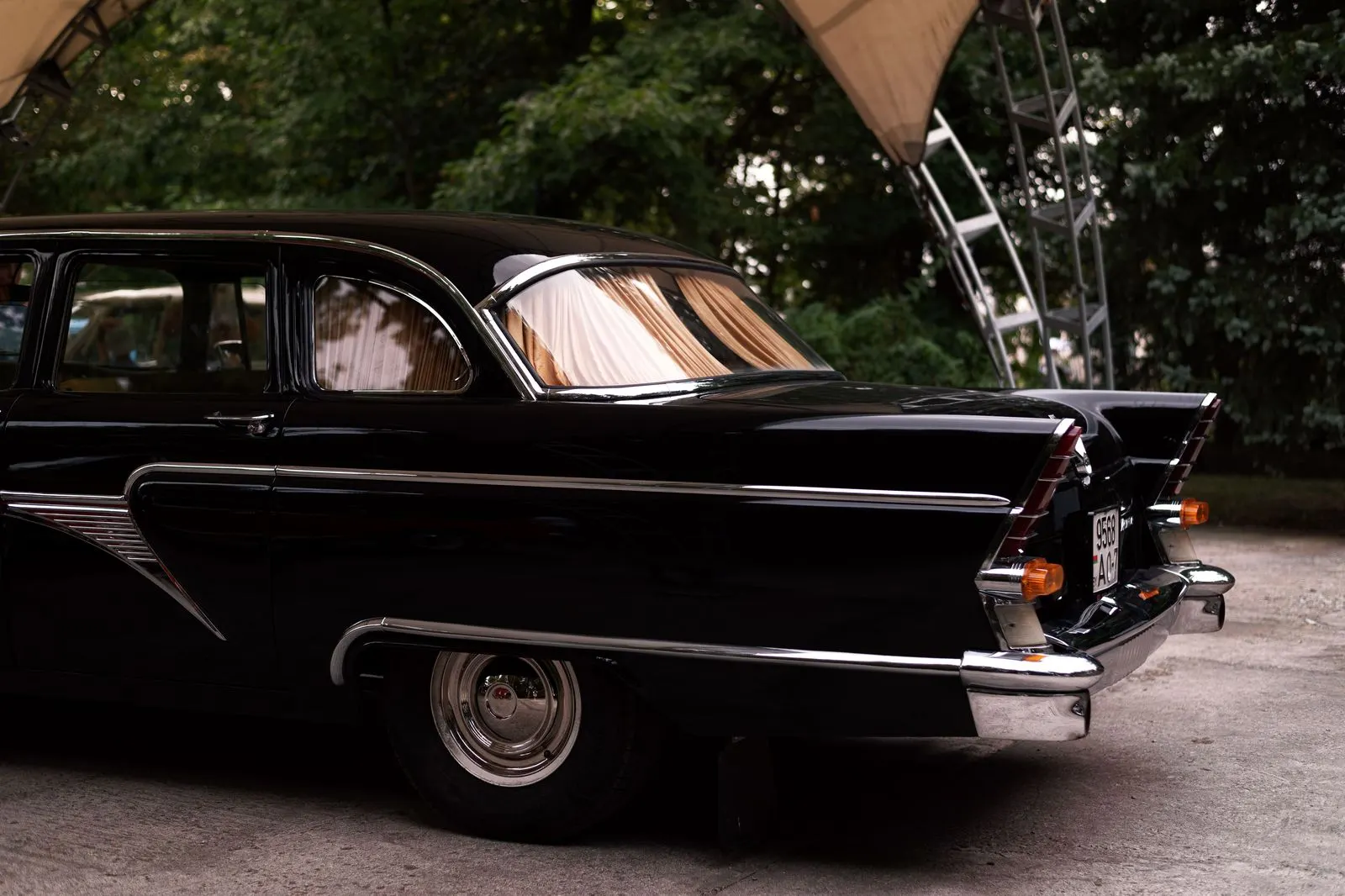
Principals, artists, athletes and public figures are moved differently. The vehicle is a luxury sedan or first-class SUV, unmarked, with privacy glass; the chauffeur is selected for principal work and briefed on discretion; the route and the timings are shared in advance with the principal's security lead and no one else; a secondary vehicle carries staff and luggage; and the meeting points - the private aviation ramp, the hotel's service entrance, the venue's talent door - are arranged with the venue rather than improvised. Where a close-protection team is travelling, our chauffeurs work to the team's instructions on convoy spacing, holding positions and departures. Red-carpet arrivals are choreographed with the event's production team to the minute. For touring artists and sports teams the same arrangement runs across cities on the global service, with one coordinator holding the tour plan.
Sports, stadiums and tournaments
Sport moves teams, officials, sponsors' guests, media and hospitality clients, and each has different rules. Teams and officials travel in coaches and Sprinters with venue accreditation; sponsors' guests in executive sedans and SUVs to hospitality entrances; media in shuttles to the media centre. Stadium access on match day is controlled by the venue and the local authority, and the coordinator holds the vehicle permits and the approved routes. Tournaments across several cities - a golf major's week, a tennis fortnight, a multi-city football tournament - are planned as a programme, with the FIFA World Cup 2026 across sixteen host cities in Canada, the United States and Mexico the largest current example: federation, sponsor and supporter programmes are being built now with vehicles, coordinators and airport operations in each host city.
Film, television, fashion and production
Production transport runs on unit call sheets: crew from hotels to location at the call time, talent in the lounge configuration or an SUV, equipment in crew-configured Sprinters and trailers, and a transport coordinator who reads the call sheet the night before and has every vehicle at the base by first light. Fashion weeks add the show-to-show shuttle for editors and buyers across a city in an afternoon; festivals and premieres add red-carpet choreography. Production companies engage the service by the week under the private chauffeur terms and invoice it to the production.
Government, diplomatic and summit movements
Delegations to summits, trade missions and state visits are planned with the mission's protocol and security officers: vehicle counts by rank, motorcade order where the host authorities require it, flag and plate arrangements, airport operations at the VIP terminal, and chauffeurs cleared for the venues. The network's standards on licensing and screening make the clearance process straightforward, and the coordinator works alongside the host country's protocol office.
Weddings, galas, festivals and celebrations
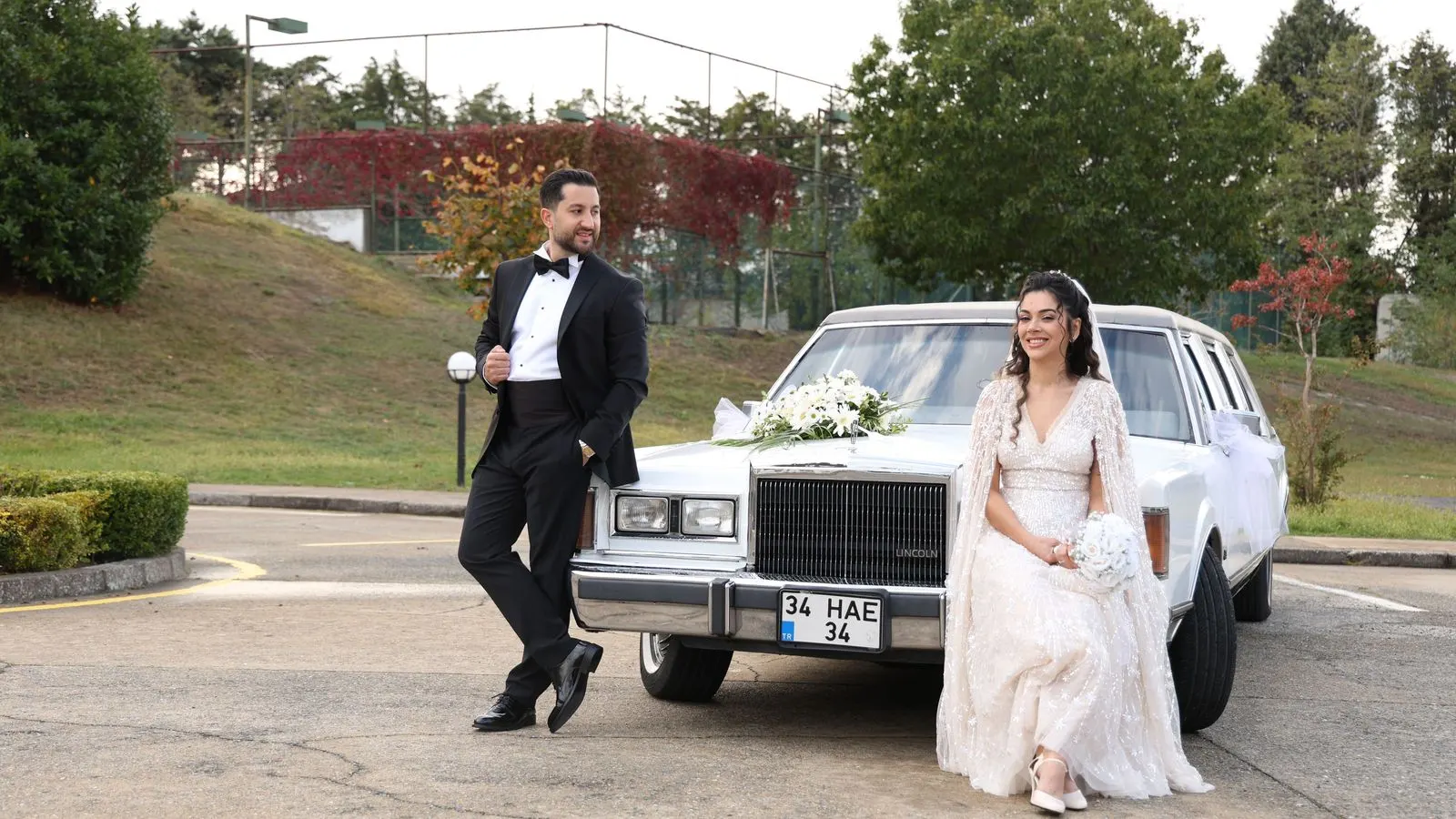
The wedding desk plans weddings; the event desk plans everything larger or louder - galas, award ceremonies, festival artist transport, milestone parties for three hundred, corporate anniversaries - with the same single-page plan, the same coordinators and the same fixed price.
How an event is planned, priced and run
Send the event desk the schedule, the venues, the hotels, the headcount and the VIP list, and within two working days you receive a transport plan with every vehicle, every rotation, every meeting point, the staffing and a fixed total. Revisions are free until the plan is confirmed; a deposit confirms the vehicles; the balance is due before the event. On the day the lead coordinator runs the plan from the venue with the hotel and airport coordinators on radio, and sends the client's event team a short report at the end of each day. After the event the invoice matches the plan plus any changes you approved during it. The chauffeur cost guide gives the vehicle benchmarks by class and region that the package is built from.
A conference, planned
A financial-services conference of 900 delegates over three days in Singapore, with delegates at four hotels, forty speakers, six sponsor principals and a gala dinner across the island, becomes the following plan. Airport operations over the two arrival days: a coordinator at Changi with a name board and a lounge, executive sedans for the speakers and principals met under the airport limo rules, Sprinters for delegate groups arriving on the same flights, and a live arrivals sheet. A morning shuttle rotation from each hotel to the venue in minicoaches and motorcoaches at fifteen-minute frequencies between 7:30 and 9:00, with a coordinator on each hotel bay and a real-time count; a reverse rotation in the evening. Speaker cars assigned by name to the venue's speaker entrance, timed to the sessions and held through the day. Principal cars - first-class SUVs, security-briefed - with the sponsors' security leads. The gala dinner as a single move of 900 people in coaches, staggered by hotel, and a late rotation back. Departures over the final morning, by flight. One lead coordinator at the venue, six coordinators on radio, one plan, one fixed total on the client's corporate account.
The vehicles of event work
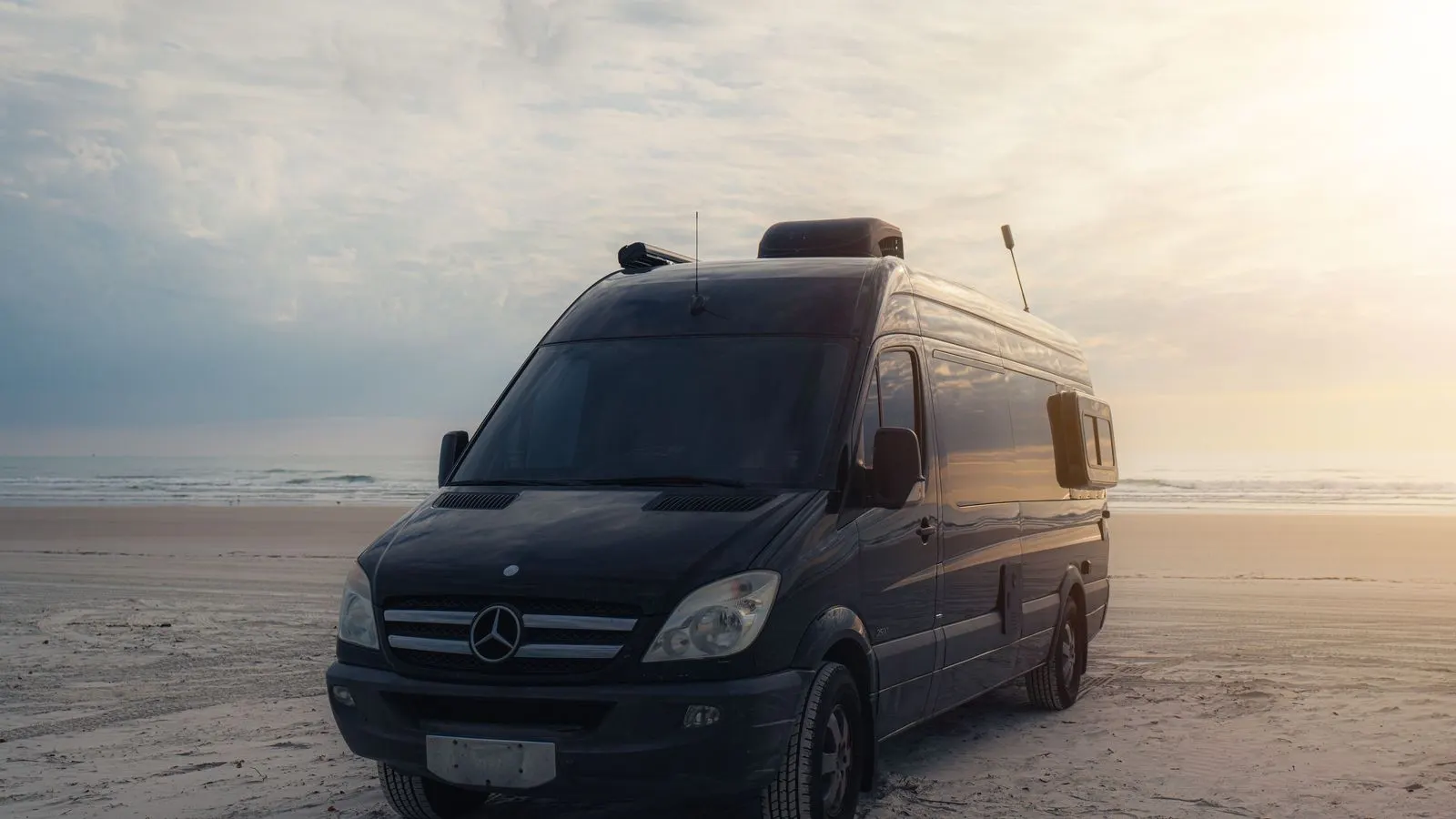
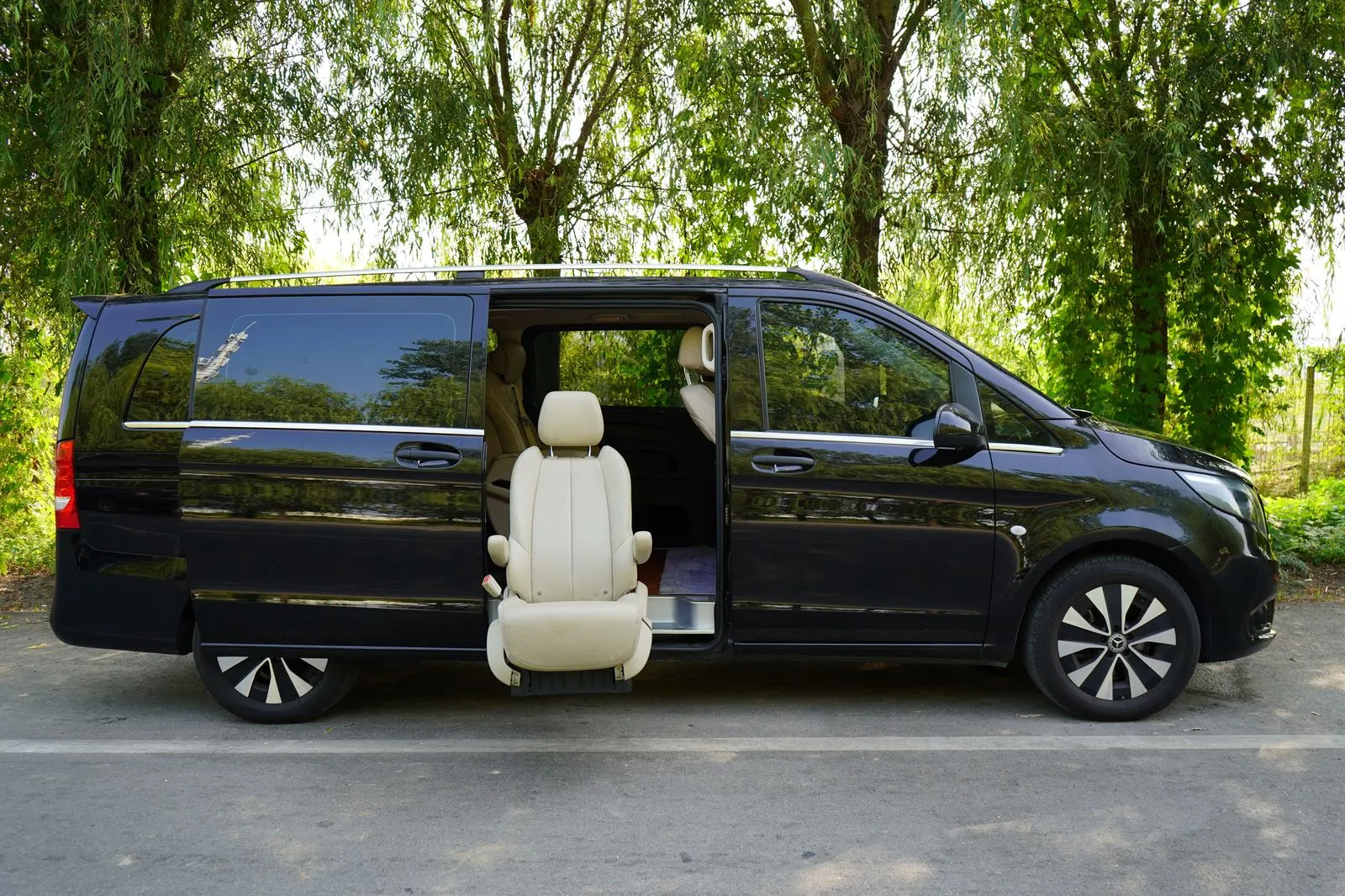
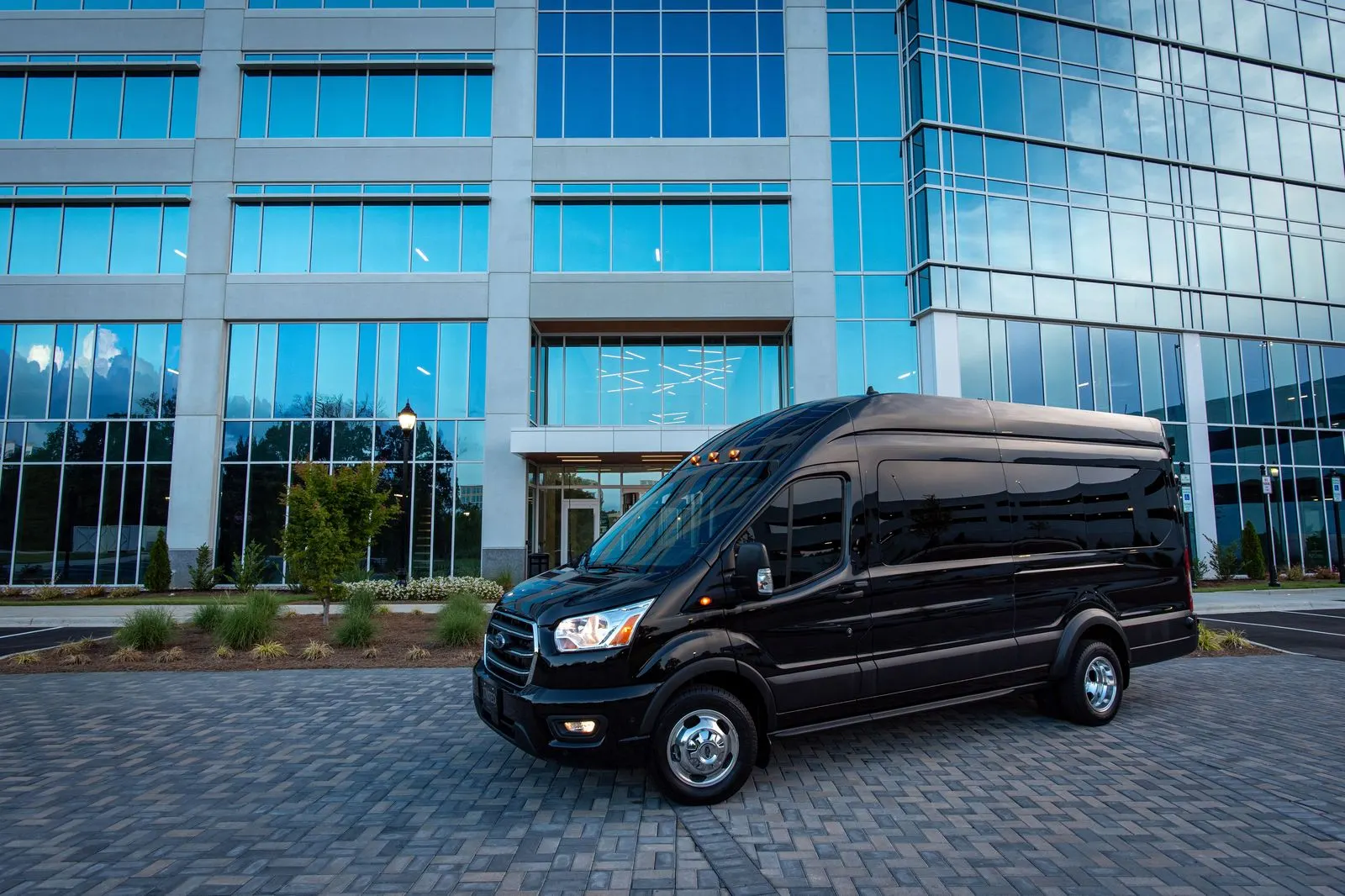
Event transport uses the whole fleet: motorcoaches for the mass moves, minicoaches for hotel rotations, Sprinters for teams, crews and small groups, executive vans for working groups, executive SUVs and sedans for speakers and staff, and luxury sedans and first-class SUVs for principals. The plan specifies the class for each movement and dispatch confirms the vehicles for the city; in the largest cities a hundred-vehicle event is routine, and in smaller cities the plan is built around what the city can honestly supply, which the desk will tell you at the outset. Vehicle branding - a sponsor's decal on the shuttles, a wedding's ribbons - is arranged where the vehicle owner permits it.
Venue access, permits and the local authority
The seam most likely to fail on an event is the venue's access road on the day, and the event desk handles it before the day: coach parking and standing permits from the venue and the local authority, marshalled drop-off zones agreed with the venue's operations team, routes approved where a city closes streets, accreditation for vehicles entering a stadium or a secure perimeter, and a coordinator at the venue's gate on the day with the permits in hand. Where an event coincides with a city-wide movement - a marathon, a state visit, a festival - the plan is built around the closures the city has announced, and the coordinator watches the traffic authority's live feed during the event.
Reporting and duty of care
Every movement on an event plan is recorded - vehicle, chauffeur, time, headcount - and the lead coordinator sends the client's event team a short report at the end of each day and a full reconciliation after the event. For corporate clients this is the duty-of-care record their travel programme requires, and for tournaments and tours it is the operational log the federation or the promoter keeps. Incidents, which are rare, are reported to the client immediately by the coordinator and recorded in full.
Getting started with the event desk
Send the schedule, the venues, the hotels, the headcount by day, the VIP list with any security contacts, and the budget range if you have one, through the contact page or by email. The desk returns a first plan and a fixed total within two working days for a single-city event, and a week for a multi-city programme, and revises it with you until it is right. Industry bodies such as the Global Business Travel Association and the Professional Convention Management Association publish guidance on ground-transport planning for meetings that our coordinators work to, and clients who run to a standard of their own are welcome to send it. Individual VIP cars for any event can always be booked instantly on the engine, and the desk will fold them into the plan.
Event transportation and the rest of the trip
Delegates, speakers and guests travelling to an event also need flights and hotels, and the travel desk is where an organiser's block booking, a speaker's flight and a sponsor's suite are arranged through BookingWorldwide.net alongside the ground plan, so that the arrivals sheet the airport coordinator works from is the same list the hotel is holding rooms against.
The organiser's own team keeps its focus on the event; the desk keeps the vehicles, the permits, the coordinators and the reconciliation, and the two meet on one shared sheet before, during and after the days that matter.
Book VIP cars on the engine - or send the event desk your schedule