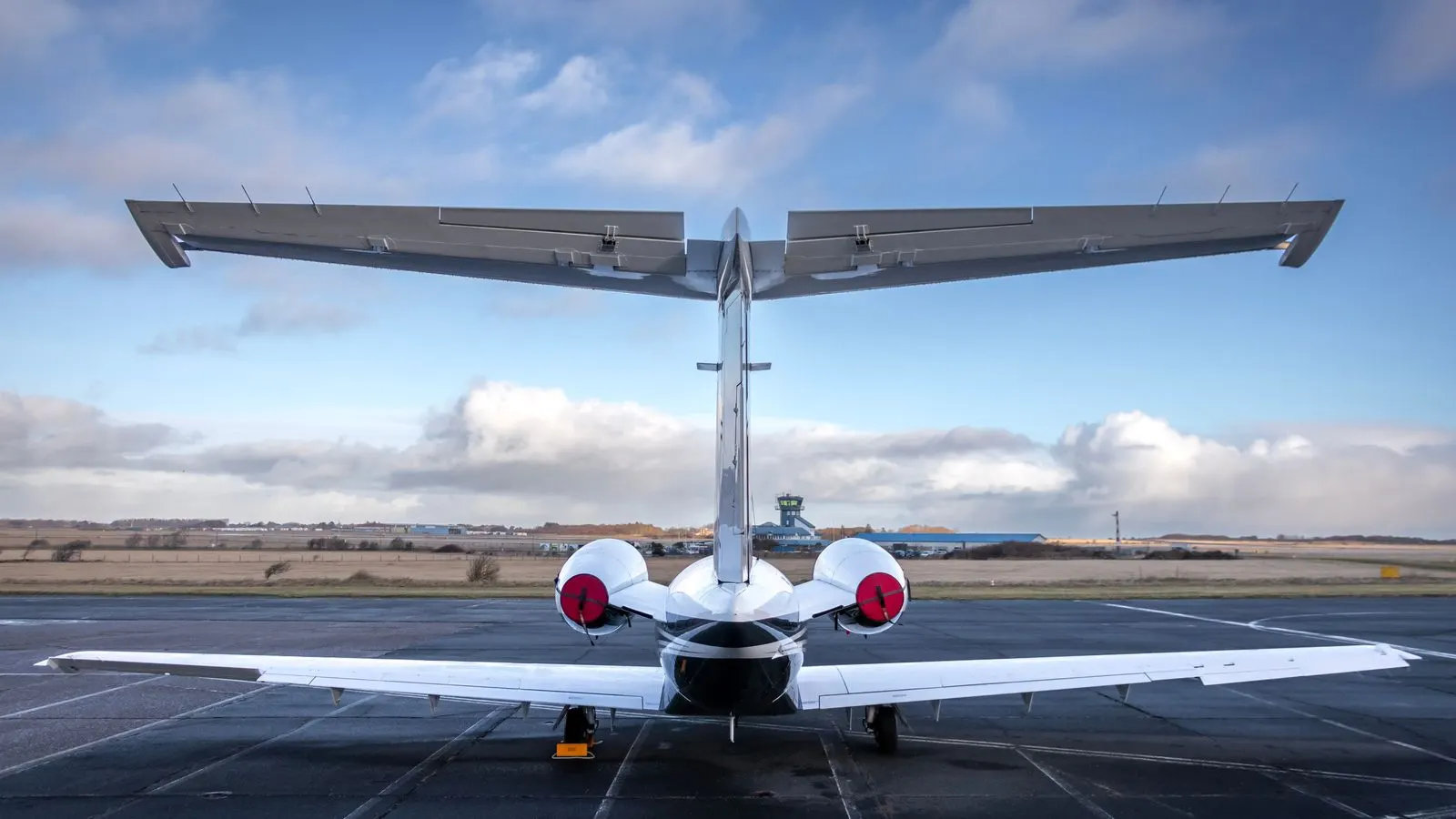










































































































Private jet ground transportation is the chauffeured transfer that meets a business-aviation flight at the fixed-base operator (FBO) rather than the commercial terminal. RutzLimo.com tracks the aircraft by tail number, coordinates with the FBO on the day, and positions the vehicle ramp-side where the handler permits it or at the FBO lobby door where it does not - at 52 business-aviation airports with procedures pre-loaded and at any FBO worldwide by request. Fares are fixed before you confirm. Book an FBO transfer or read how ramp access works.
The FBO transfer is different, and the differences matter
A commercial airport transfer has a terminal, an arrivals door and a public forecourt. A private flight has none of those: it arrives at an FBO - a private terminal operated by a handler such as Signature or Atlantic - where the passenger walks from the aircraft steps to a lounge, or straight to a car on the ramp, in a minute or two. There is no immigration hall to absorb a late car, no forecourt to circle, and no tolerance for a chauffeur who does not know the drill. The passenger has paid for the aircraft precisely so that the ground does not slow them down.
The ground transport therefore has to do three things a normal transfer does not. It has to know where the aircraft is - not the airline schedule, because there is none, but the flight plan and the live position of a specific tail number. It has to know the FBO's rules, which differ by handler and by airport: some allow a vetted vehicle onto the ramp with an escort, some allow it to the ramp gate, some require the car at the lobby door. And it has to be discreet, because the passengers on private aircraft are, by definition, people whose movements are not public.
How RutzLimo.com handles an FBO reservation
The reservation carries the tail number, the FBO and the estimated arrival, and dispatch does the rest. The aircraft is tracked on its flight plan, so a departure that slips an hour moves the car without a call. The FBO is contacted on the day to confirm the arrival slot, the ramp-access rule and the passenger count, and the handler is given the chauffeur's name, the vehicle and the registration, which is what the escort at the ramp gate will check. The chauffeur arrives early, is escorted ramp-side where the FBO permits it, and is at the aircraft door as the stairs come down - or, at FBOs that do not allow vehicles on the ramp, at the lobby door with the passenger's name known to the front desk. Luggage is transferred from the aircraft hold to the car by the chauffeur and the FBO's line staff. Waiting time is not usually an issue on private arrivals, but the same complimentary allowance as an airport transfer applies.
For departures the process runs in reverse: the chauffeur has the FBO's address and the slot time, drives to the lobby or the ramp gate, and the handler takes the passengers and luggage to the aircraft. The chauffeur waits until the aircraft has departed in case a slot delay returns the passengers to the lounge.

Vehicles for private aviation
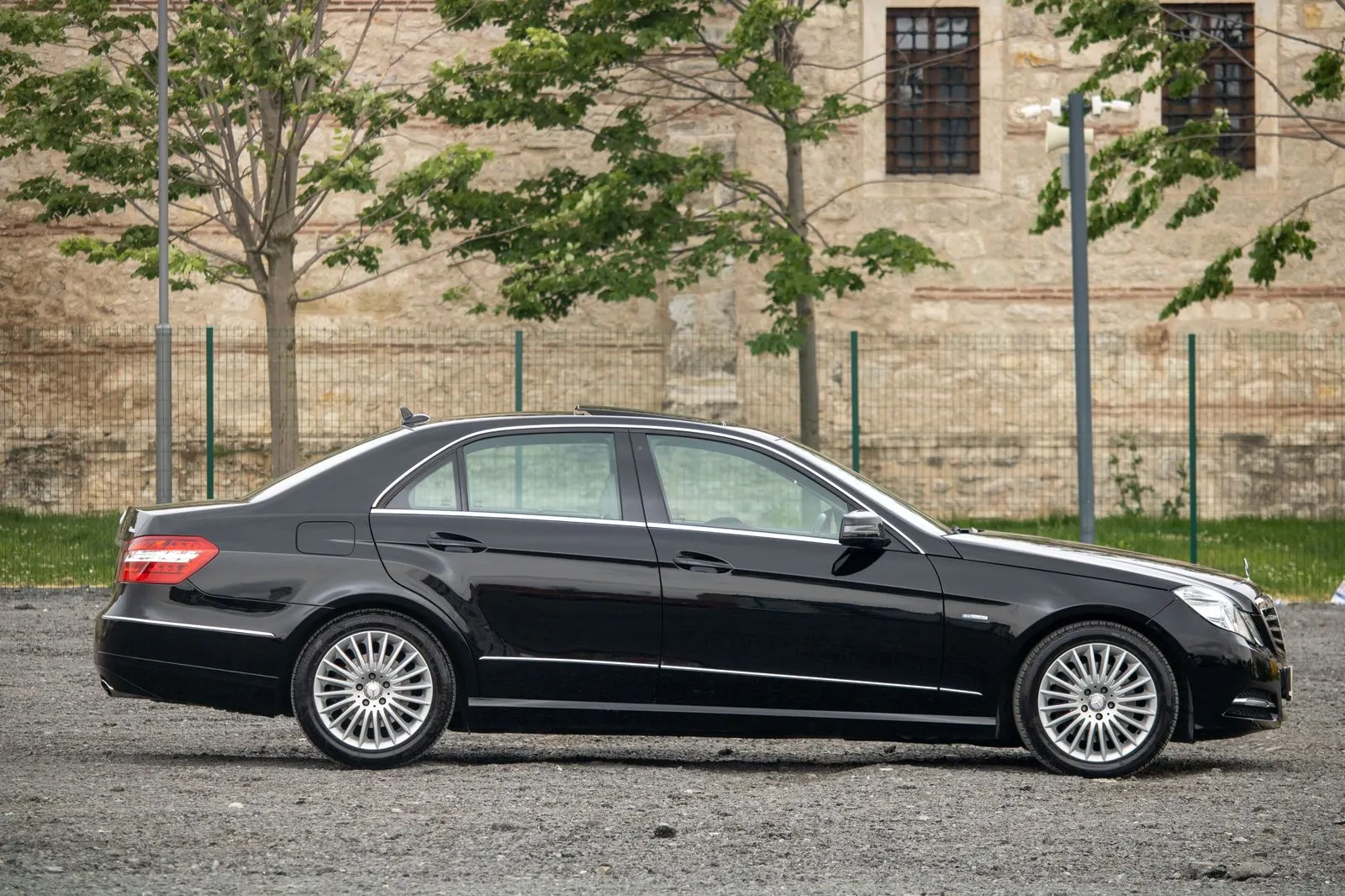
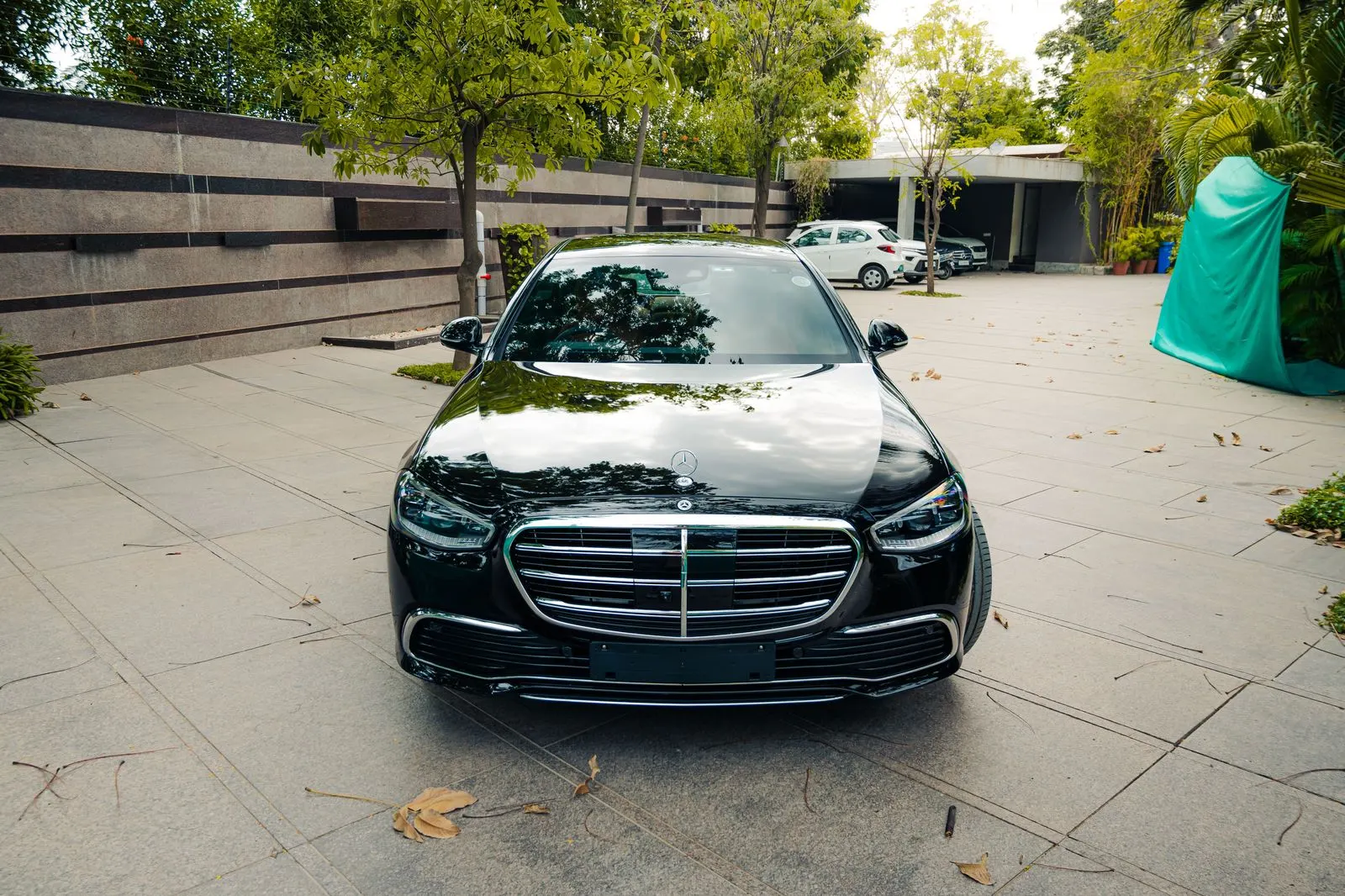
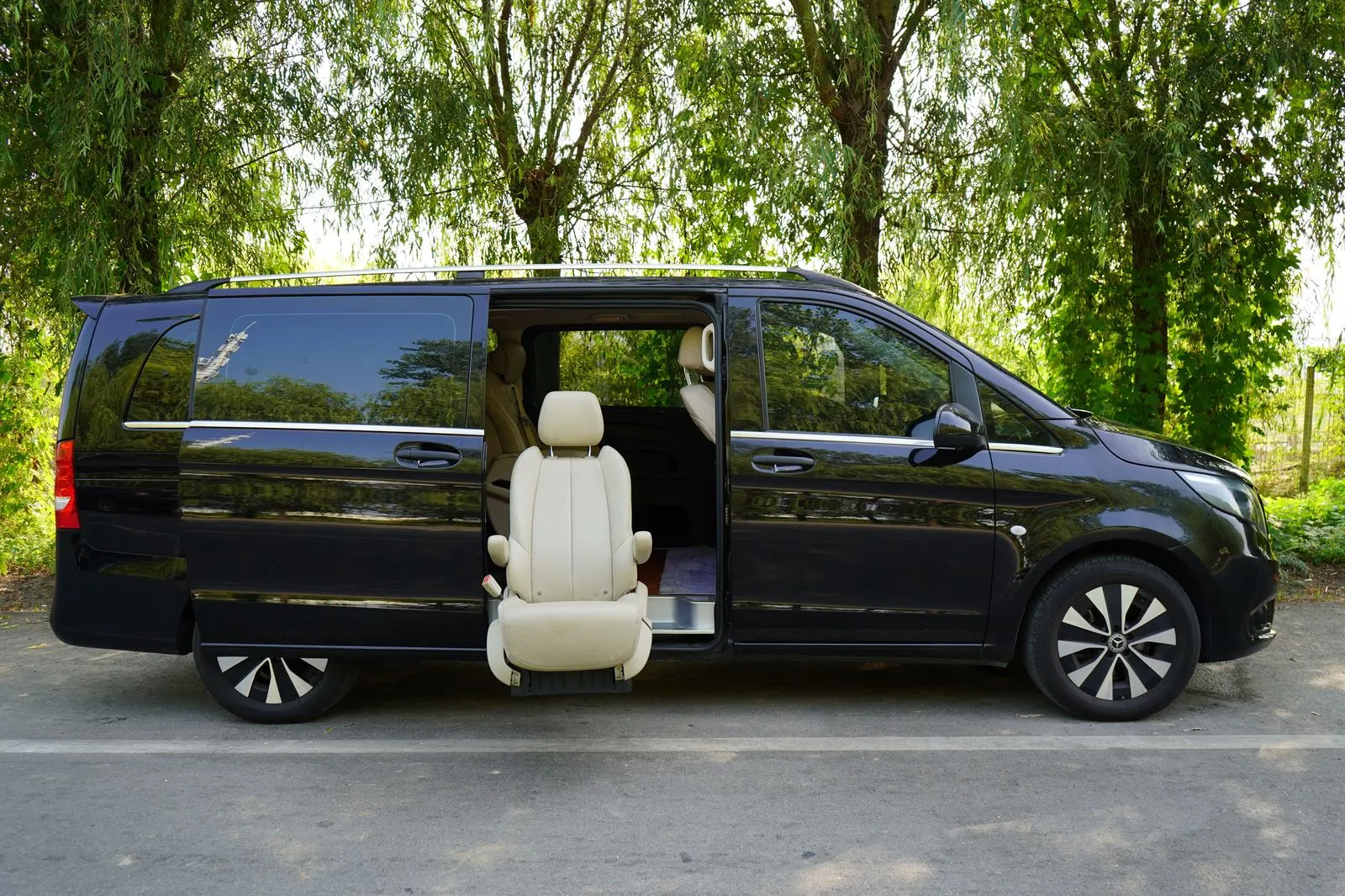
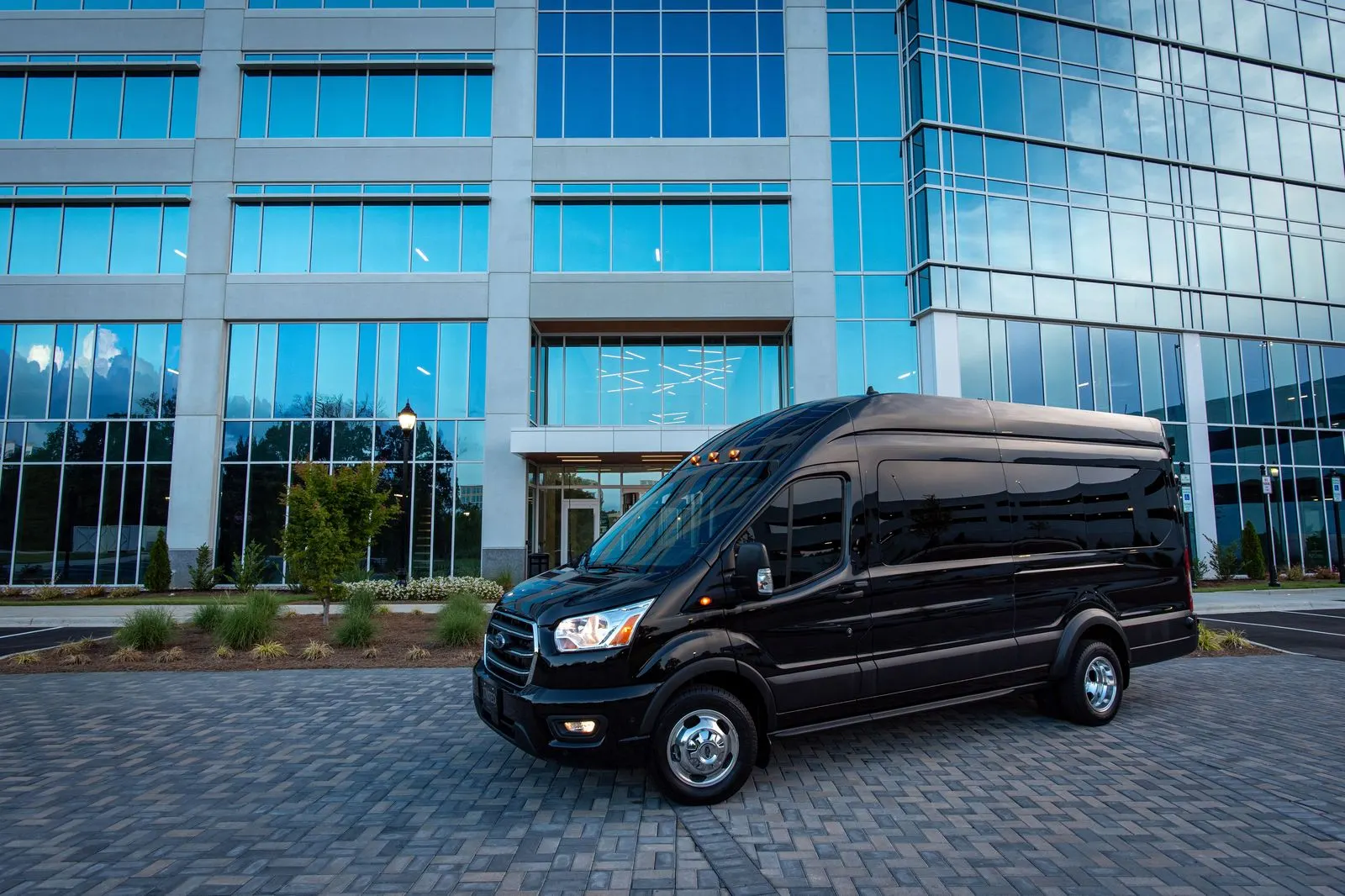
The vehicle mix for FBO work is different from the commercial terminal. The luxury sedan - S-Class, 7 Series - and the first-class SUV - Escalade ESV, Range Rover, Maybach GLS - do most of it, because the passengers are principals and the luggage is often considerable. A second vehicle, usually an executive SUV or an executive van, carries staff, luggage and, in the case of a family, the nanny and the pushchair. For a corporate flight with eight passengers, a Sprinter in the lounge configuration takes the whole party from the ramp in one vehicle. Crew transport - pilots and cabin crew to and from the hotel - is booked separately by the operator and is a common corporate reservation.
The business-aviation airports on the engine
The reservation engine holds FBO procedures for 52 business-aviation airports, concentrated where private aviation is densest: Teterboro, Westchester, Morristown and the New York fields; Van Nuys, Burbank and the Los Angeles basin; Opa-locka, Fort Lauderdale Executive and the Florida fields; Dallas Love, Houston Hobby, Scottsdale, Centennial and the Mountain West; and the business-aviation fields around Chicago, Boston, Washington and Atlanta. Outside the United States, the major FBOs - Toronto Pearson's and Montreal's private terminals, London Farnborough, Biggin Hill and Luton, Paris Le Bourget, Geneva, Zurich, Nice, Milan Linate, Dubai Al Maktoum, Abu Dhabi Al Bateen, Riyadh, Singapore Seletar, Hong Kong Business Aviation Centre, Tokyo Haneda's premier gate, Sydney - are handled by dispatch with the FBO on the day. The full list of the 52 pre-loaded fields is below, with the FBO networks we work with most; the airports page lists the commercial gateways.
The business-aviation community's own bodies publish the rules and the etiquette the service works to: the National Business Aviation Association in the United States, and the FAA on airside access and security. FBO networks such as Signature Aviation and Atlantic Aviation set their own ramp-access policies by location, which dispatch confirms for each reservation.
Discretion, security and data
Private-aviation passengers expect discretion, and the service is built for it. The reservation is visible to dispatch and the assigned chauffeur only; the FBO receives the chauffeur's and vehicle's details, not the passenger's itinerary beyond the arrival. Chauffeurs assigned to FBO work are selected for principal service and are experienced alongside security teams, whose instructions on holding positions and departures they follow. Where a client's security lead asks for route plans, vehicle registrations or chauffeur identification in advance, dispatch provides them to that person directly. Our privacy policy sets out what reservation data is held and for how long.
Charter operators, flight departments and brokers
Corporate flight departments, charter operators and brokers book FBO transfers for their passengers as a matter of routine, and a corporate account is built for it: passenger profiles that the operator's scheduler can apply, booking on behalf, one monthly invoice per operator with each flight's transfers itemised, and a dispatcher who knows the operator's aircraft and preferences. Crew transport is on the same account. Brokers arranging a client's whole trip - aircraft, hotel, ground - use the global service for the ground at both ends and the travel desk for the hotel.
What an FBO transfer costs
FBO transfers are priced on the engine like any airport transfer by vehicle class, with tolls, any FBO vehicle fee and gratuity included, and the cost guide gives the benchmarks. There is no premium for the ramp coordination; it is part of the product.
Arrival day at Teterboro, as it runs
A client's Gulfstream files for Teterboro with an 11:20 a.m. estimated arrival and an FBO on the north side of the field. The reservation on the engine carries the tail number, the FBO and a first-class SUV plus an executive SUV for luggage and staff. At 9 a.m. dispatch sees the flight plan activate and the estimate move to 11:05; the chauffeurs are told. At 10:15 dispatch calls the FBO to confirm the slot and the ramp-access rule - at this FBO a vetted vehicle may be escorted ramp-side - and gives the front desk both chauffeurs' names and plates. At 10:40 the chauffeurs arrive, are checked at the gate, and are escorted to the ramp as the aircraft taxis in. The stairs come down at 11:07; the principal is in the SUV at 11:09; the line staff and the second chauffeur have the luggage transferred by 11:15; the convoy is on Route 46 toward Manhattan by 11:18. The principal's assistant in Zurich has a message at 11:10 that the car has departed the field. Nothing about that morning required a phone call from the passenger.
Multi-leg private itineraries
Private flights rarely have one leg, and the ground has to match: Van Nuys to the hotel on Monday, the hotel to Van Nuys on Wednesday, Scottsdale on Wednesday afternoon, Scottsdale to a resort, the resort to the FBO on Friday, Teterboro on Friday evening. Booked as one reservation on the global service, every leg has its own tail-number tracking and its own FBO coordination, the same vehicle class and the same profile, and one invoice. Flight departments and brokers book these routinely and the corporate account keeps the passenger profiles, the aircraft and the preferred FBOs together.
Helicopter transfers and VIP terminals at commercial airports
Two related products sit alongside the FBO transfer. Helicopter arrivals - at a heliport such as those in Manhattan, Monaco or Sao Paulo - are met the same way, with the operator's landing time tracked and the car at the heliport's vehicle zone. And a growing number of commercial airports operate VIP or private terminals for passengers on scheduled flights - Heathrow's, Dubai's, Doha's, Frankfurt's, Los Angeles's private suites - where the passenger is driven across the apron to the aircraft; RutzLimo.com's chauffeur meets or delivers the passenger at the VIP terminal's door, and the terminal's own service handles the airside portion. Ask dispatch and the arrangement is confirmed with the terminal operator.
Getting the reservation right
The confirmation is fastest when the reservation carries the tail number, the operator or the handler's name, the FBO, the estimated arrival or departure, the passenger count and luggage, the vehicle classes, any second vehicle for staff, the name and number of the person on board or the assistant dispatch should message, and any security contact. With those the ramp coordination is routine; without the tail number, the chauffeur is working to a time rather than to the aircraft, which is exactly the situation the service exists to avoid.
Fares, invoicing and the account
Every FBO transfer is a fixed fare on the engine by vehicle class, with any FBO vehicle fee, tolls and gratuity included and no premium for the ramp coordination; the cost guide has the benchmarks. Flight departments, charter operators and brokers invoice on a corporate account, monthly, with each flight's ground transport itemised by tail number and passenger, and crew transfers on the same statement. Individual passengers book on the engine with a card and receive the receipt at the end of the journey. Cancellations follow the city's window, shown on the confirmation and in the terms; a transfer cancelled because the flight did not operate is not charged.
The ground for the whole trip
Passengers flying privately still need a chauffeur at the far end of the journey, in the city, for the days between the flights, and the hourly and private chauffeur services cover them with the same discretion and the same vehicle classes. The travel desk arranges the hotel and, for a family, the resort. One reservation, one account, one standard from ramp to ramp.
Book a private jet transfer - tail number tracked, ramp-side where permitted