Occasions & events · 2026-09-19 · 9-minute read
Guest shuttles are the least glamorous and most important transport at a wedding. The couple's car is one vehicle and one journey; the guests are a hundred and fifty people, three locations, two or three time windows, and a late-night return that nobody wants to think about until the bar closes. Get the shuttles right and no one notices; get them wrong and the ceremony starts late, the reception fills unevenly and Aunt Margaret is in a car park at midnight. This guide sets out how to count, how to choose vehicles, how to plan rotations, and what it costs. The couple's own transport is covered in wedding car hire; the full wedding transport picture is on the wedding limo service page.
Plan wedding guest shuttles by counting the guests who need transport (typically 50-70 percent of out-of-town guests), choosing vehicles by group size (a minicoach for 20-35, a full-size coach for 45-56, a Sprinter for up to 14), and calculating rotations from the drive time between hotel, ceremony and reception. A single 30-minute leg with 100 guests needs two coaches in one rotation or one coach in two, starting ninety minutes before the ceremony. Indicative cost: a minicoach US$350-700 per hour with a four-hour minimum, a coach US$450-900, a Sprinter US$330-600; a typical 100-guest wedding spends US$2,500-6,000 on shuttles. The event transportation page covers the product.
Step one: count the guests who need transport
Not every guest needs a shuttle. Local guests drive; guests staying at the venue walk; a share of out-of-town guests hire cars. The rule of thumb that works: 50-70 percent of guests staying at the designated hotels will use a shuttle if one is offered, rising to 90 percent if the venue has no parking, is in the countryside, or the couple has made it clear that drinking and driving is not expected. Count the guests at each hotel, apply the percentage, and add a margin of ten percent, because the shuttle is the thing guests decide to use at the last minute when they have had a glass of champagne at the hotel bar.
For a wedding of 150 with 100 guests at two hotels, expect 60-80 shuttle passengers outbound and rather more on the return, when the guests who drove have also had a drink.
Step two: choose the vehicles
The vehicles, their capacities with wedding-day comfort (a hat, a jacket, a handbag, no luggage), and the occasions they suit:
| Vehicle | Seated | Best for | Hourly (North America) | Minimum |
|---|---|---|---|---|
| Sprinter (shuttle or executive interior) | 12-14 | Small weddings, the bridal party, hotel top-ups, venues with narrow access | US$330-600 | 3 h |
| Minicoach | 20-35 | Most weddings; the workhorse | US$350-700 | 4 h |
| Full-size coach | 45-56 | Large weddings, single-hotel groups, long distances | US$450-900 | 4 h |
| Executive SUV | 6 | Parents, grandparents, the officiant, VIPs | US$165-285 | 2 h |
| Vintage or double-decker bus | 30-60 | The photograph; slower, less reliable, worth it for some | US$500-1,200 | 4 h |
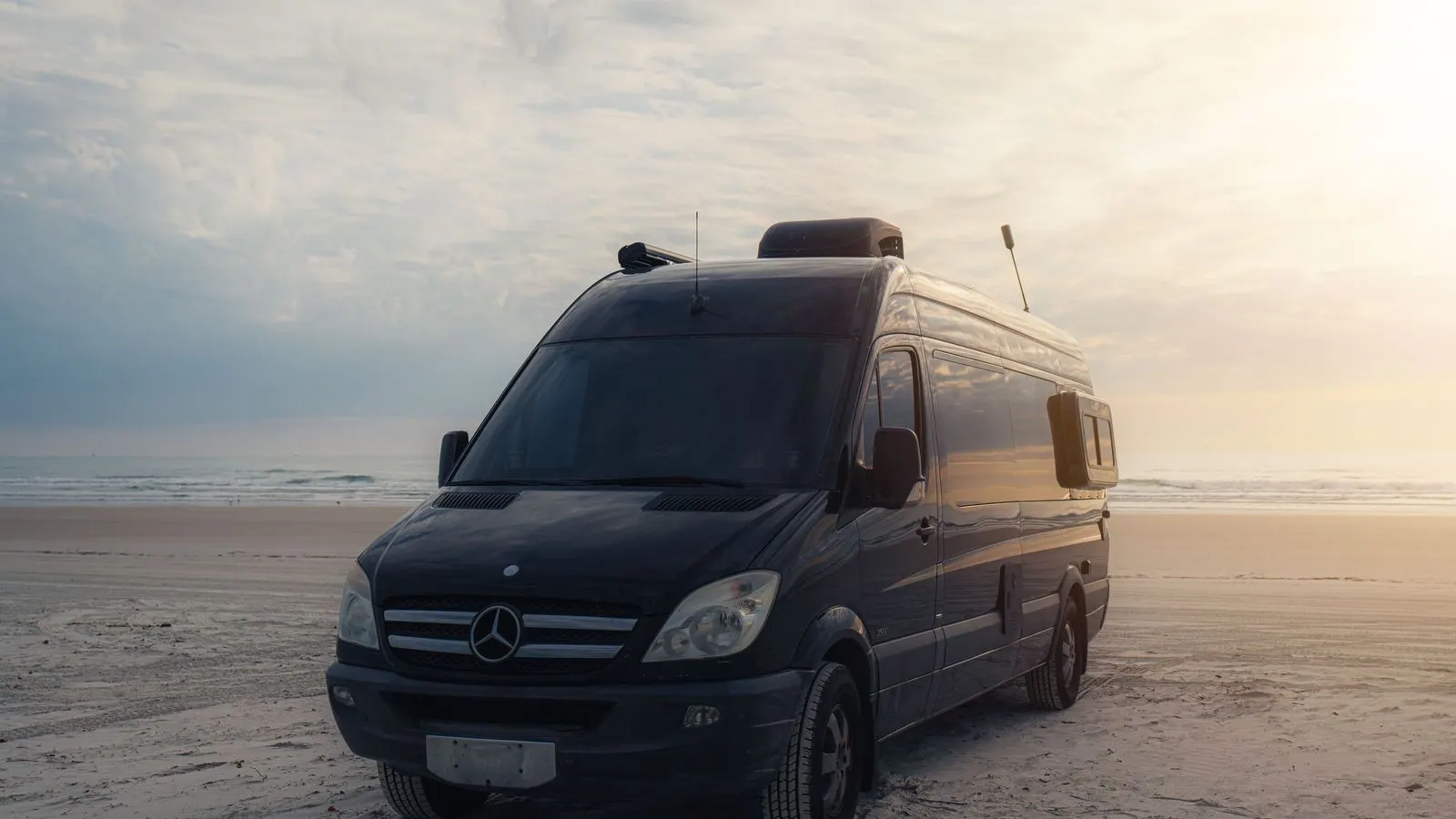
Western Europe runs slightly lower; the Gulf, Asia-Pacific and Latin America lower still, per how much does a limo cost. The minicoach is the vehicle for most weddings: large enough to move a hotel's guests in one or two runs, small enough to reach a country venue's gate. The full-size coach is for a single large hotel and a good road; the Sprinter is for the top-up, the bridal party and the venue a coach cannot reach; the Sprinter limo article explains its interiors.
Step three: the drive times and the rotations
A rotation is one vehicle doing one leg and coming back for another load. Whether to run rotations or add vehicles depends on the drive time and the time window.
The arithmetic: if the ceremony is at 3 pm, guests should arrive between 2:15 and 2:45. A leg of fifteen minutes allows one minicoach to do three rotations from a nearby hotel in that window (leave 1:45, 2:05, 2:25 with loading time); a leg of thirty minutes allows one rotation only, so a hundred guests need three minicoaches or two coaches. A leg of forty-five minutes or more needs enough vehicles to move everyone in one run, leaving ninety minutes before the ceremony.
The transfer from the ceremony to the reception is usually shorter and the time window wider (guests are photographed, drink and mingle), so rotations are easier; a single vehicle can often shuttle continuously for an hour. The return at the end of the night is the reverse of the outbound with two changes: the guests leave over a longer window (some at 10, most at midnight, a few at 1), and more of them use the shuttle. Plan a continuous rotation for the last two hours of the reception plus one final sweep after the bar closes.
Step four: the timeline
A worked timeline for 100 shuttle guests at two hotels, a twenty-five-minute leg to the ceremony at a church, a ten-minute leg to the reception, and a thirty-minute return:
- 1:30 pm: two minicoaches at hotel A (60 guests), one at hotel B (40). Guests boarding from 1:40.
- 1:55 pm: depart. Arrive at the church 2:20-2:30.
- 3:00 pm: ceremony.
- 3:45-4:45 pm: all three vehicles shuttle guests from the church to the reception, ten minutes each way, continuous; the bridal party in a Sprinter after the photographs.
- 4:45-10:00 pm: vehicles released or, for a venue far from anywhere, one vehicle on standby for guests who leave early (parents with children, older guests). Standby is charged at the hourly rate and is usually worth it.
- 10:00 pm-12:30 am: two minicoaches in continuous rotation from the reception to the hotels, thirty minutes each way; a departure every fifteen minutes.
- 12:45 am: final sweep; the last vehicle waits until the venue confirms no guests remain.
Total: three minicoaches for four hours in the afternoon and two for three hours at night, plus a Sprinter for the bridal party; about US$4,500-7,000 in a North American city at the middle of the band, or US$45-70 per shuttle guest. The private driver for a day article explains how a full-day rate for one vehicle compares with two blocks.
What it costs, and how to spend less
The shuttle budget for a typical wedding of 100-150 guests runs US$2,500-6,000 in North America and Western Europe, more with a long distance or a late night. The ways to spend less without a worse result: use one hotel, so that one route serves everyone; choose a venue with a reception on site, which removes the middle leg; run rotations on short legs rather than adding vehicles; release the vehicles during the reception and book the return as a separate block; and book early, because the minicoach fleet in any city is small and Saturdays in June are committed months ahead. The ways to spend badly: hire a full-size coach for forty guests, hire a vintage bus for a thirty-mile leg, or skip the final sweep.
Coordination on the day
The shuttles need a coordinator who is not the couple: the planner, the best man, a capable cousin. That person has the vehicle schedule, the chauffeurs' numbers and the dispatch number, stands at the hotel lobby to load the outbound, and stands at the reception's door to run the return. The chauffeurs carry a sign with the couple's names; the hotel's front desk knows the schedule; the venue knows where the coaches park and turn. Dispatch briefs every chauffeur on the timeline the day before and watches the day, and the contact page reaches a person who will plan it with the coordinator.
The mistakes couples make
- Counting the guests at the RSVP stage and not again a week before, when the hotel lists are final.
- Booking one large coach for a venue with a narrow lane and a gate it cannot turn in; ask the venue what has fitted before.
- Forgetting the return, or ending it at midnight when the bar closes at one.
- No standby vehicle for a country venue, so that a grandmother who wants to leave at nine has no way to.
- Assuming guests will use rideshare in a place where there is none at midnight.
- Not telling the guests: the shuttle schedule belongs on the invitation's information card and the wedding website, with the pickup points and the last departure.
The bridal party and the family
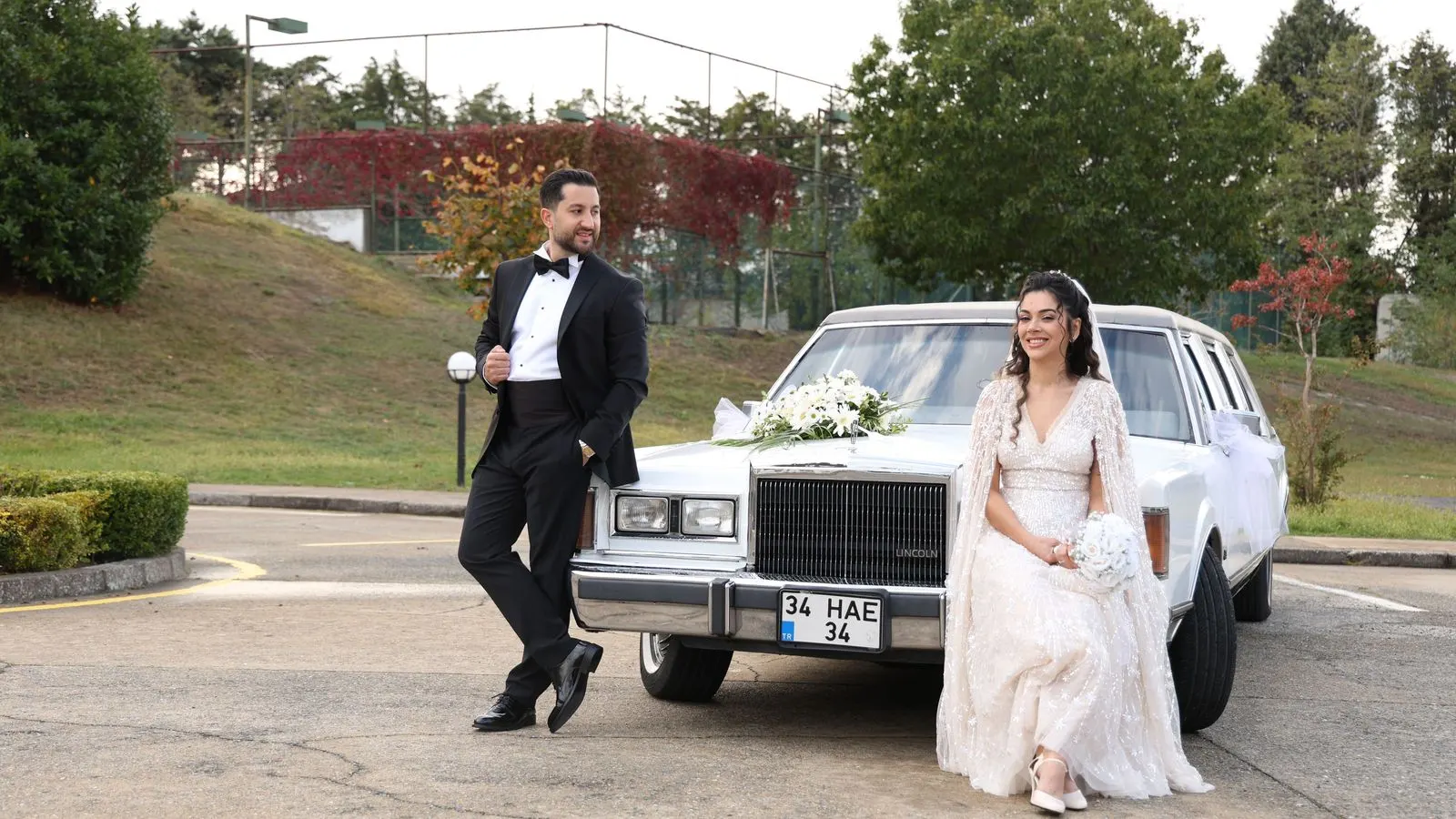
Alongside the guest shuttles, the wedding needs the couple's car - the subject of wedding car hire - and usually a Sprinter for the bridal party (from the hotel or the house to the ceremony, then to the photographs, then to the reception) and an SUV or two for the parents, grandparents and the officiant, whose timings differ from the guests'. One booking covers all of it with one dispatcher; the wedding limo service page sets out the packages, and the limo prices by vehicle article the classes. Destination weddings - the Riviera Maya, the Algarve, Tuscany, the Greek islands - add the airport transfers for the guests' arrivals across several flights, and the Cancun and Faro guides describe how those are run.
Booking
For shuttles, the booker takes the first vehicle and the contact page takes the rest: send the guest count by hotel, the addresses, the ceremony and reception times, and the end of the night, and dispatch will propose the vehicles, the rotations and the fixed price in writing. Book three to six months ahead for a Saturday in the season. The destinations page lists the cities where the coach and minicoach fleet is based; it is nearly everywhere.
The vehicles' access, and why the venue must be asked
The single most common shuttle failure is a vehicle that cannot reach the venue: a full-size coach on a lane with a low bridge, a minicoach at a gate it cannot turn in, a Sprinter on a farm track in the rain. Before booking, ask the venue what has fitted before, whether there is a turning area, where the coaches park during the reception, and whether the approach is lit at night; a venue that hosts weddings will have answers, and dispatch will check them against the vehicle's dimensions. In the United States, the Federal Motor Carrier Safety Administration licenses the coach operators and publishes their authority and insurance, and the hiring a private driver questions apply to a coach company as much as to a chauffeur; in the UK a coach needs an operator's licence and the Department for Transport sets the driver-hours rules that limit how late a coach driver may work, which matters for a 1 am final sweep.
The guests' side of it
Guests use shuttles when they know about them and trust them. The invitation's information card and the wedding website should carry the pickup points, the departure times, the last return and a line saying that the shuttle is the couple's gift and the expected way to travel; the hotel's front desk should have the schedule; and a sign in the lobby on the day removes the last doubt. Guests who know there is a 12:45 final sweep stay for the last dance; guests who do not, leave early or drive.
Destination weddings and the airport
For a destination wedding the shuttle plan starts at the airport: guests arriving across a weekend on several flights, met by chauffeurs with the couple's names on the boards and moved to the hotel in Sprinters and minicoaches as they land, then the ceremony and reception moves as above, then the departures. One booking with the flight numbers covers the arrivals; the how airport transfers work article explains the meet-and-greet for a group and the event transportation page the coordination. The how much does a limo cost article places the resort coasts - the Riviera Maya, the Algarve, the Greek islands - below the North American and Western European bands, which is one reason destination weddings' shuttle budgets go further.