City guides · 2026-09-19 · 8-minute read
Houston is the largest city in Texas and the fourth-largest in the United States, and it is built at a scale that makes the chauffeured car a business tool rather than an indulgence. Its two airports are forty miles apart on opposite sides of the city; its corporate districts - Downtown, the Galleria and Uptown, the Energy Corridor, the Texas Medical Center, Greenway Plaza, The Woodlands - are spread across a metropolitan area larger than New Jersey; and its business travel is dominated by the energy, medical and shipping industries, whose visitors arrive from Calgary, Aberdeen, Stavanger, Dubai and Singapore as often as from New York. This guide explains how the black car market works in Houston, what it costs, and how to book it.
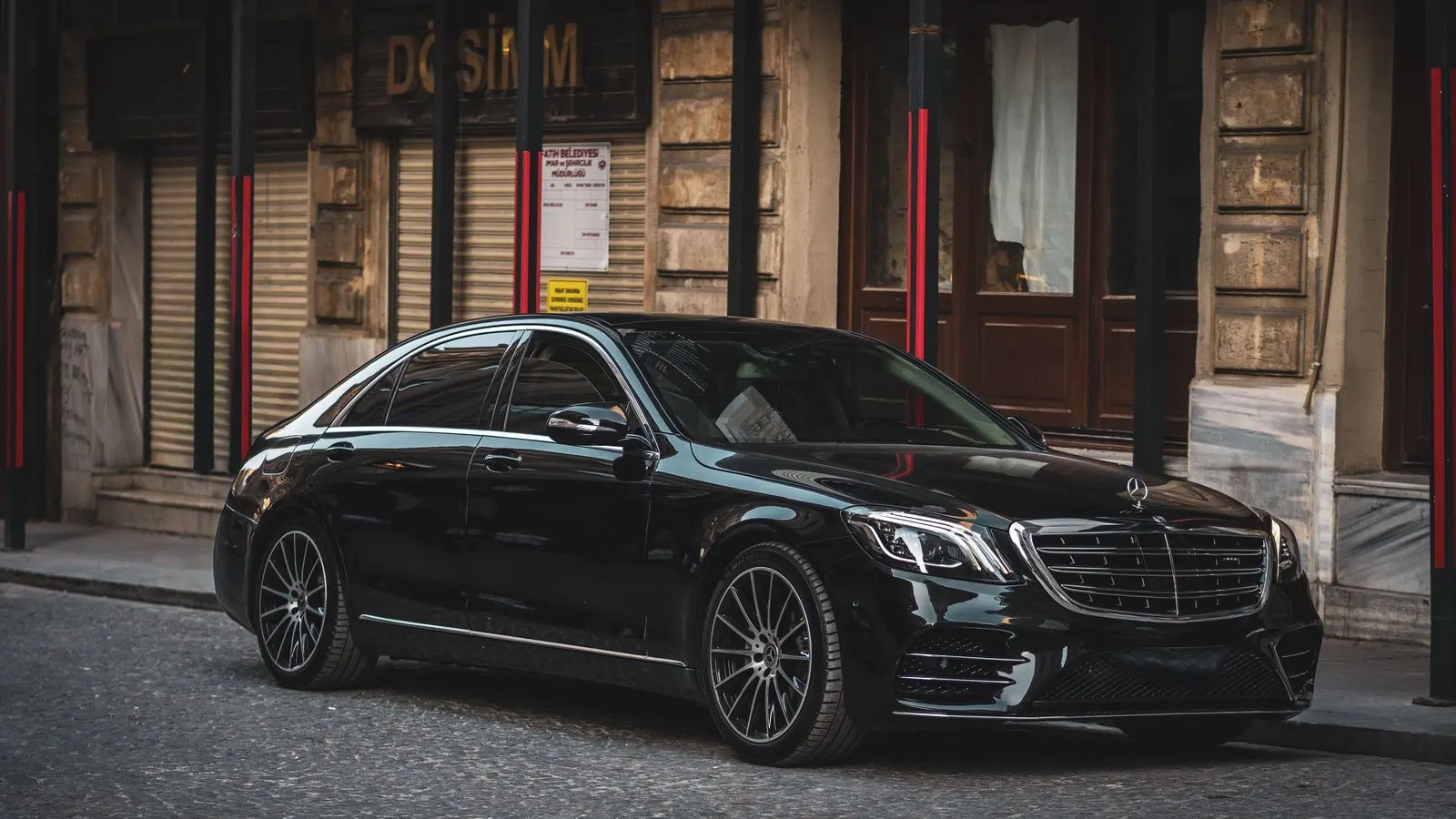
A Houston black car is a pre-booked, Texas-licensed sedan or SUV with a professional chauffeur at a fixed fare. From Bush Intercontinental (IAH) to Downtown expect US$110-175 in a sedan; to the Galleria US$115-180; to the Energy Corridor US$125-195; to the Medical Center US$120-185. From Hobby (HOU) to Downtown US$90-145. Hourly hire is US$115-215 with a two-hour minimum. Chauffeurs meet at baggage claim with a name board. Book on the black car service page; Houston is on the destinations page.
Two airports, forty miles apart
George Bush Intercontinental (IAH) is the main airport, twenty-three miles north of Downtown, a United hub with five terminals (A through E) arranged in a row and connected by a train and an underground walkway. International arrivals clear customs in Terminal E's federal inspection area (or Terminal D for some carriers) and exit into the public arrivals hall; domestic passengers go to baggage claim on the lower level of their terminal. Pre-arranged chauffeurs meet at baggage claim with a name board; the airport's ground-transportation rules require a permit for commercial pickups and the licensed operators hold it. The airport's own guidance lists the terminals by airline.
William P. Hobby (HOU) is the second airport, eleven miles southeast of Downtown, dominated by Southwest with some international flights to Mexico, Central America and the Caribbean. It is smaller, quicker, and often the better airport for Downtown, the Medical Center and the port. Chauffeurs meet at baggage claim on the lower level.
Dispatch confirms the airport and the terminal from the flight number. A chauffeur at IAH for a Hobby arrival is an hour's problem; it does not happen when the flight number is on the booking.
Where business travellers go
Houston's corporate geography is the widest of any American city and the drive times reflect it.
| Destination | From IAH (normal / peak) | From HOU (normal / peak) |
|---|---|---|
| Downtown | 30-40 / 45-70 min | 20-30 / 30-50 min |
| Galleria / Uptown | 35-45 / 50-80 min | 30-40 / 45-70 min |
| Greenway Plaza / River Oaks | 35-45 / 50-75 min | 25-35 / 40-60 min |
| Texas Medical Center | 35-45 / 50-80 min | 20-30 / 30-50 min |
| Energy Corridor (west I-10) | 40-55 / 60-95 min | 40-55 / 60-90 min |
| Westchase | 40-50 / 55-85 min | 35-45 / 50-80 min |
| The Woodlands | 25-35 / 35-55 min | 50-65 / 70-100 min |
| Sugar Land | 45-60 / 65-100 min | 35-45 / 50-75 min |
| Port of Houston / Pasadena / Baytown | 40-55 / 55-85 min | 20-35 / 30-55 min |
| Galveston (cruise port) | 70-90 / 90-120 min | 50-65 / 65-90 min |
The Energy Corridor and The Woodlands are the two destinations where the airport choice matters most: The Woodlands is close to IAH and far from Hobby; the Energy Corridor is far from both. Houston's freeways - I-10, I-45, US-59, the 610 Loop, the Beltway - are wide and congested, and the peak times are long; a chauffeur who works the city knows when the Hardy Toll Road beats I-45 from IAH and when the Westpark Tollway is worth it to the Energy Corridor. Tolls are included in the fare.
What it costs
Houston sits in the lower-middle of the North American band.
- IAH to Downtown, the Galleria or the Medical Center: sedan US$110-185, SUV US$140-230, Sprinter US$260-430.
- IAH to the Energy Corridor or Sugar Land: sedan US$125-210, SUV US$160-260.
- IAH to The Woodlands: sedan US$100-165, SUV US$130-210.
- HOU to Downtown or the Medical Center: sedan US$90-145, SUV US$115-185.
- Either airport to Galveston: sedan US$180-280, SUV US$220-340, Sprinter US$360-560.
- Hourly, sedan: US$115-215, two-hour minimum; SUV US$145-255; Sprinter US$290-520.
- Full day (8-10 hours), sedan: US$875-1,650.
Airport fees, tolls and gratuity are included. The national bands are in how much does a limo cost.
The energy-industry travel pattern
Houston's chauffeured demand has a shape that dispatch learns: the Monday-morning arrivals from Calgary, Denver and the Gulf, the mid-week site visits to the Energy Corridor and the refineries along the Ship Channel, the Thursday and Friday departures, and the international visitors from Aberdeen, Stavanger, Perth, Dubai and Kuala Lumpur who arrive on the overnight flights and go straight to meetings. The corporate account is the way these programmes run: consolidated billing, cost-centre coding for the project, traveller profiles, and a chauffeur who knows which gate at the refinery to use. The executive car service page sets out the product; the global chauffeur service page explains how the same account covers the traveller in Aberdeen and in Houston. Hourly hire is the right product for a day of site visits across the Energy Corridor, and the hourly chauffeur service page explains the clock.
The Medical Center and medical travel
The Texas Medical Center is the largest medical complex in the world, and a significant share of Houston's chauffeured bookings are patients and families arriving for treatment at MD Anderson, Houston Methodist, Texas Children's and the other institutions, often from abroad and often for weeks. The booking pattern is a transfer from IAH with a chauffeur who knows the hospital's entrances, and then daily transfers or hourly hire between the hotel and the appointments. Wheelchair-accessible vehicles are available; tell dispatch at booking. The private chauffeur service page covers the pattern, and the contact page reaches a person who can set up a recurring booking for the length of the stay.
Conferences, the rodeo and the calendar
Houston's convention calendar is the Offshore Technology Conference in May, which fills every hotel and every black car in the city for a week, the George R. Brown Convention Center's shows through the year, the Houston Livestock Show and Rodeo in February and March (three weeks, and the NRG Park traffic is a real factor), and the big medical conferences. The advice is the convention-city rule: book when the trip is confirmed, through the event transportation page for group moves. Weddings run from the River Oaks churches to the Hill Country an hour west; the wedding limo service page covers packages.
Cruise passengers and Galveston
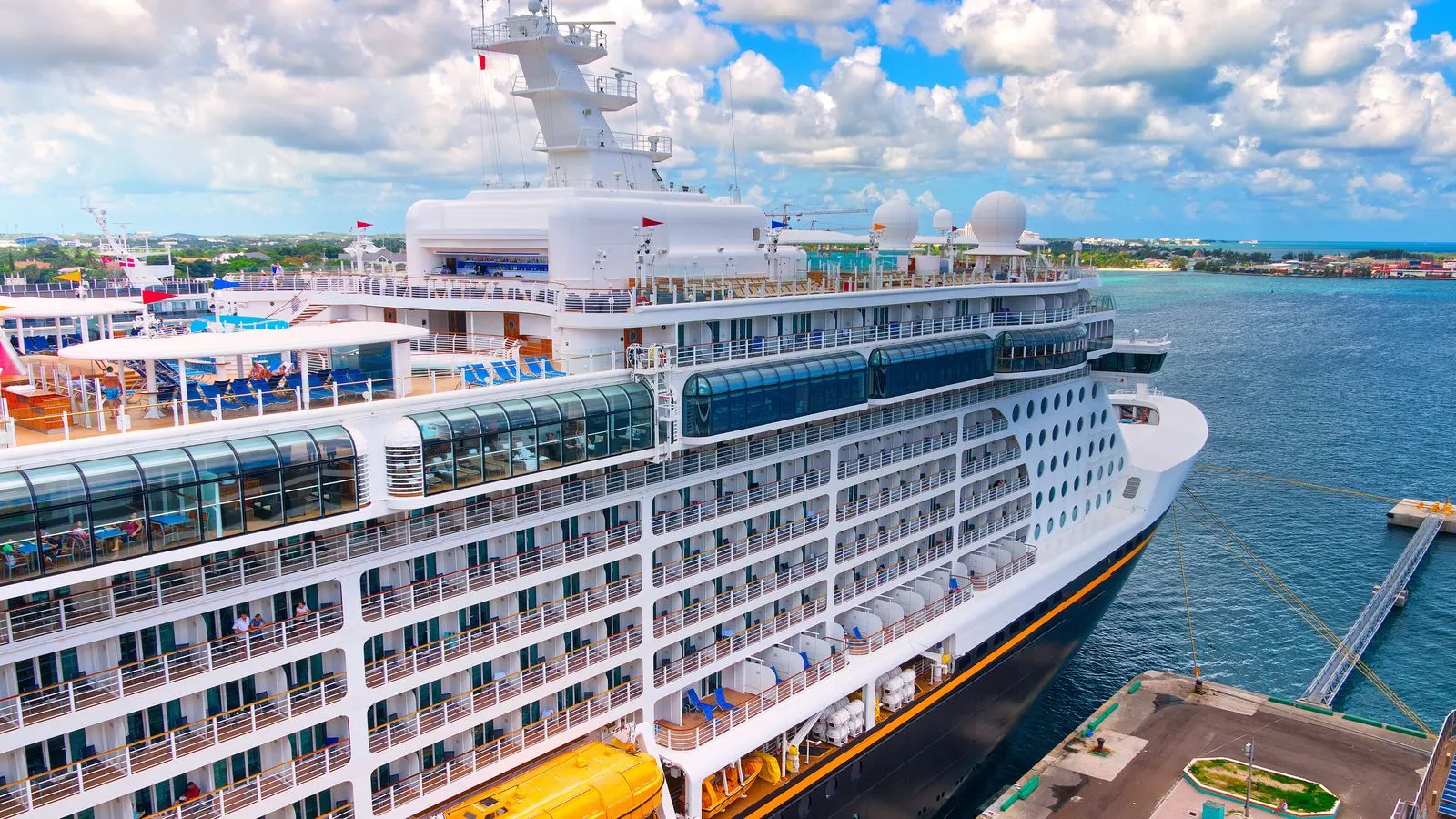
Galveston, seventy to ninety minutes south of IAH, is the fourth-busiest cruise port in the United States, with Royal Caribbean, Carnival, Disney and others sailing year-round. Transfers from both airports and from Houston hotels to the cruise terminals are a large and regular market, and a family of five with cruise luggage is a Sprinter or SUV booking; the cruise port transfers page covers the timing and the CLIA embarkation guidance is the reference for how early to arrive.
Licensing in Texas
Chauffeured vehicles in Houston are licensed by the City of Houston's Administration and Regulatory Affairs department, which issues limousine permits and chauffeur licences with background checks, and by the airports' ground-transportation offices for pickups; the State of Texas regulates operators outside the city. A licensed operator can show the city permit number and the vehicle carries the airport permit. The what is a chauffeur article describes the standard; chauffeur services compared lists the questions to ask. Rideshare is licensed by the state and operates at both airports from designated lots; it is fine on a quiet day, and during OTC week or a rodeo evening at NRG it is the reason the black car market exists.
Private aviation
Houston's private-jet traffic runs through Hobby's FBOs, IAH's FBOs, Sugar Land Regional, David Wayne Hooks in the north and Ellington Field to the southeast; ramp-side pickup is standard, and the private jet and FBO transfers page covers it. The energy industry's corporate aviation departments are heavy users and the corporate account desk handles the recurring FBO transfers.
Booking
Enter IAH or HOU with the flight number, or the address; the destination; passengers and bags; and the vehicle in the booker. The fare is fixed. Dispatch confirms the airport and terminal; the chauffeur's name, photo, vehicle and meeting point arrive by text on the morning. Dallas, Austin, San Antonio and New Orleans are on the destinations page, and the airports on the airports page.
Departures from IAH and Hobby
Outbound, the pickup is built from live traffic on I-45, US-59 or the Hardy Toll Road, the terminal, and the security queue; the TSA publishes estimates for both airports and IAH's Terminal C and E checkpoints in the morning bank are the slow ones. From Downtown allow seventy-five minutes to IAH in the afternoon peak and forty-five to Hobby; from the Energy Corridor, ninety to IAH. The chauffeur drops at the correct terminal, which at IAH's row of five matters, and at the correct level.
Weather
Houston's weather affects ground transport in two seasons. Summer thunderstorms and the hurricane season from June to November close the airports for hours and flood the underpasses; a chauffeur tracking the flight and the road adjusts, and dispatch watches the FAA's airport status for the ground stops that IAH issues on stormy afternoons. Winter is mild except for the occasional ice event, which closes the freeways because the city has no equipment for it; those days are rare and dispatch plans around them.
The neighbourhoods, for the visitor
Houston's hotel districts follow its business ones. Downtown has the convention hotels, the theatre district and the newer towers around Discovery Green. The Galleria and Uptown is the shopping and luxury-hotel quarter, with the Post Oak and the St. Regis. River Oaks and Montrose are the residential and restaurant districts between them, with a few boutique hotels. The Museum District and the Medical Center have the hospitals' hotels. The Energy Corridor has the business hotels along I-10 for the oil companies. The Woodlands, forty minutes north, is a planned town with its own resort hotels and conference centre and a corporate population of its own. Sugar Land to the southwest and Kingwood to the northeast are suburban business centres. The drive times in the table above apply to each, and the choice of airport should follow the hotel.
A day with a chauffeur, worked through
A visiting engineer with a 9 am at a headquarters in the Energy Corridor, an 11:30 at a supplier in Westchase, lunch at the Galleria and a 3 pm site visit at a refinery in Baytown is the Houston hourly-hire day: about eight hours at US$115-215 per hour in a sedan, or an SUV at US$145-255 for the refinery roads, against four transfers that would cost nearly as much and involve four waits in the Texas heat. The chauffeur knows the gate at the refinery, the parking at the Galleria and the time the Katy Freeway turns solid. The hourly chauffeur service page covers the clock and the private driver for a day article the day rate.