Airport transfers · 2026-09-19 · 8-minute read
Rome Fiumicino - Leonardo da Vinci International (FCO) - is Italy's busiest airport and the arrival point for most of the visitors to the capital, thirty kilometres from the centre on the coast to the southwest. Rome's ground transport has two features that shape the transfer: a regulated fixed taxi fare from the airport to the historic centre, which is one of the better taxi deals in Europe, and a historic centre closed to unauthorised vehicles by the ZTL (limited-traffic zone) system, which a licensed chauffeur can enter and a taxi or a hire car often cannot. This guide explains how a private transfer works at Fiumicino, what it costs against the taxi, and how the Civitavecchia cruise port fits in.
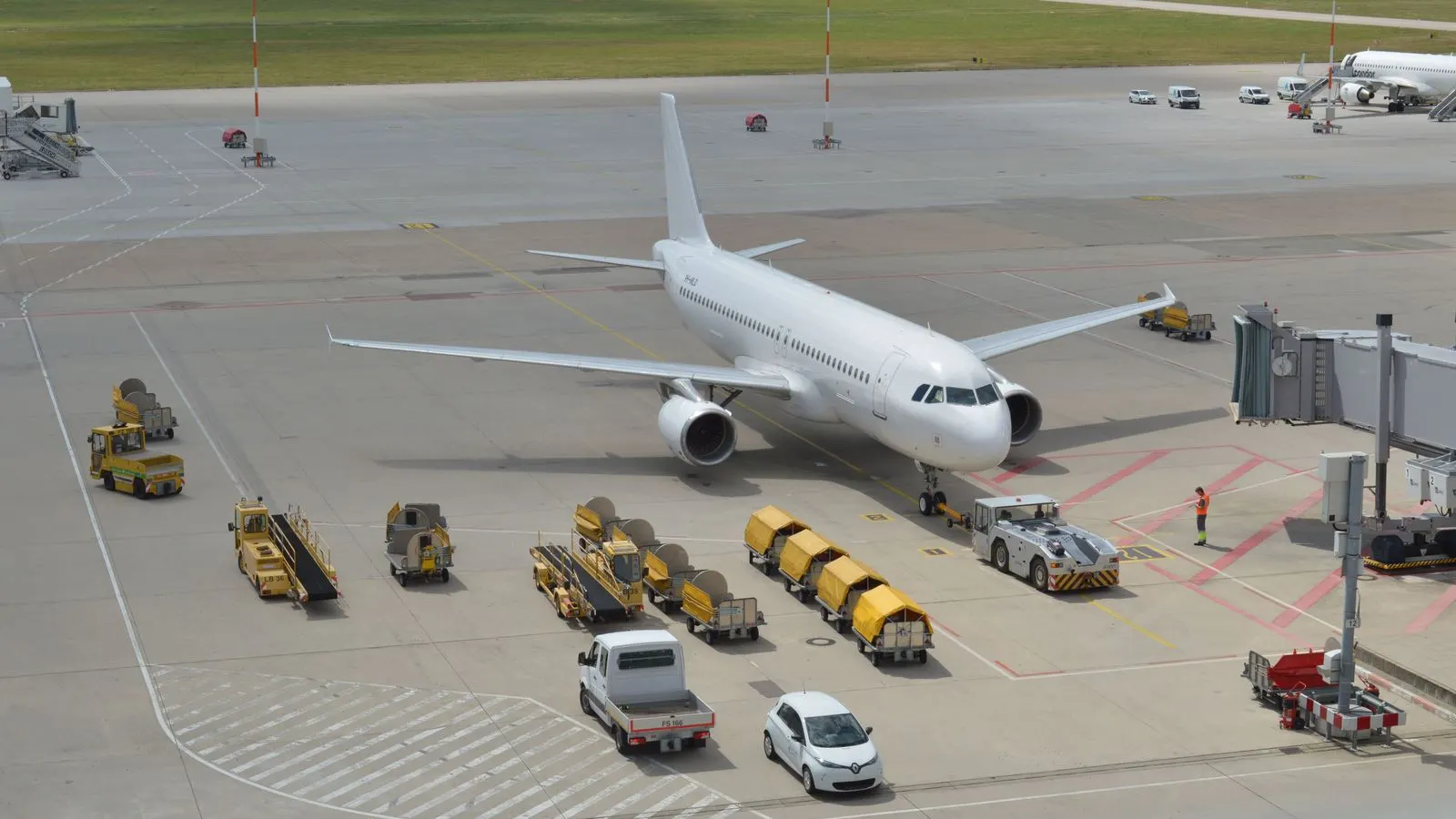
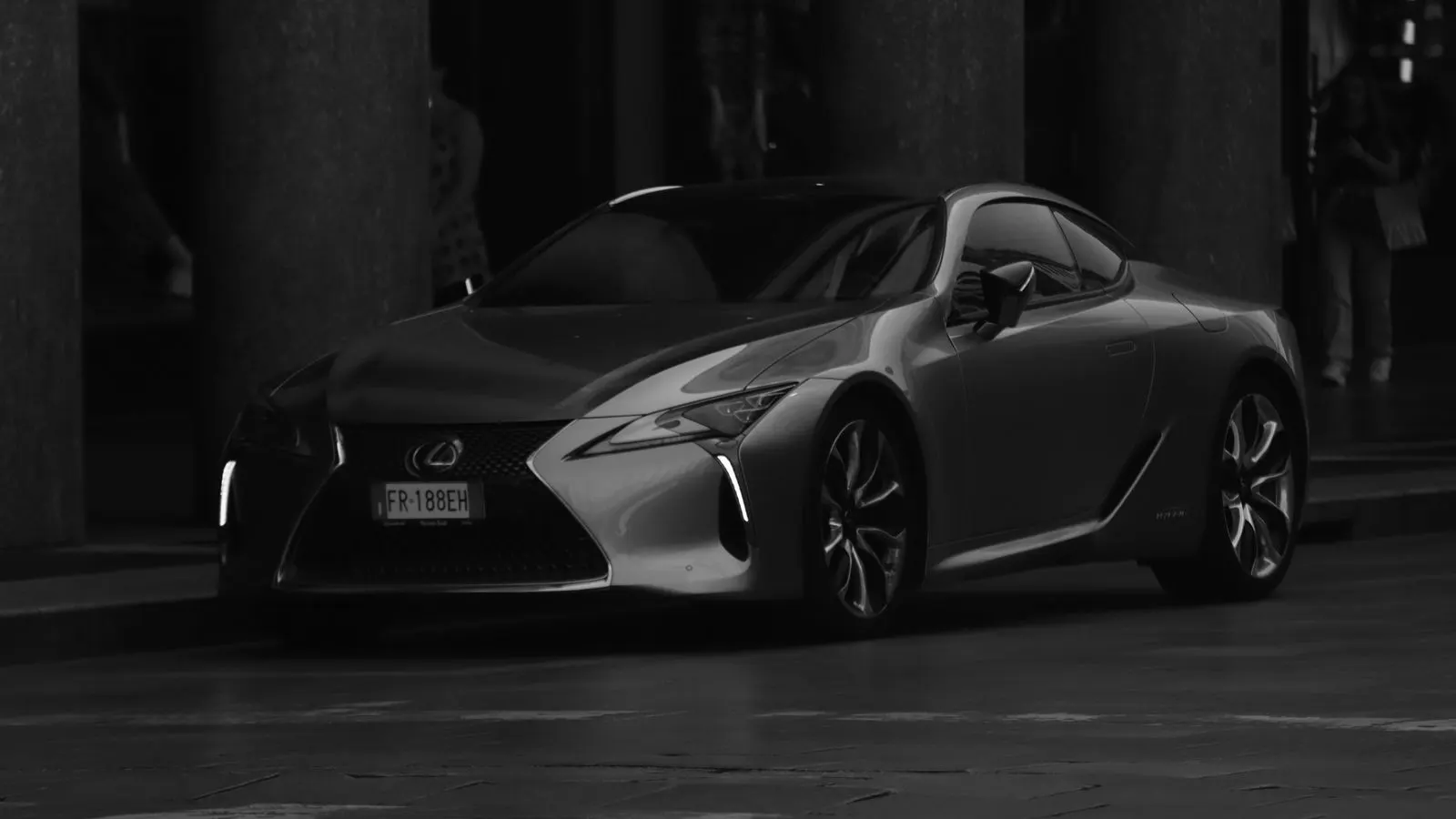
Fiumicino has two operating terminals, T1 and T3, connected on the landside. A pre-booked NCC (hire-with-driver) chauffeur meets you in the arrivals hall of your terminal with a name board. Drive times: the historic centre 40-55 minutes (60-90 in the peak), the Vatican and Prati 35-50, Parioli 40-55, the EUR 25-35, Civitavecchia cruise port 60-75. The regulated taxi fare to the centre is a fixed EUR 55; a private executive sedan is EUR 75-120, a luxury sedan EUR 110-170, a Sprinter EUR 130-220. The chauffeur can enter the ZTL to reach your hotel door. Book on the airport limo service page; Rome is on the destinations page.
The terminals
Fiumicino's passenger terminals have been reorganised over the past decade and two are now in use. Terminal 1 handles ITA Airways, the SkyTeam carriers and most Schengen flights, with a large new departures area opened in 2022. Terminal 3 handles most non-Schengen and long-haul flights - the United States, Canadian, Gulf and Asian carriers - plus the remaining Schengen services, and its arrivals hall is the larger and busier. Terminal 2 closed; Terminal 5 was a remote facility for some American and Israeli carriers and is no longer in regular use. Airlines move between T1 and T3, and dispatch confirms the terminal from the flight number the day before. The airport operator's passenger information is the reference and lists terminals by airline.
Arrivals from outside Schengen clear passport control (the non-EU lane at T3 in the morning arrival bank from the Americas and Asia can take an hour), collect bags, and exit through customs into the arrivals hall. A pre-booked chauffeur stands in the hall with a name board; the morning text says which exit. Rome's arrivals halls have a persistent population of unlicensed drivers offering rides, and the airport's signage warns about them; a chauffeur with a name board bearing your name is not one of them.
The NCC licence and the ZTL
Italy licenses chauffeured cars as NCC - noleggio con conducente, hire with driver - a category distinct from taxis, with the vehicle registered for the purpose, the driver holding a professional licence, and the booking made in advance; the vehicle carries an NCC plate. The what is a chauffeur article describes the general standard; in Italy the licence is municipal and the operator's base city matters.
The ZTL - zona a traffico limitato - closes Rome's historic centre to unauthorised vehicles during the day and, in some districts, at night, with cameras at the gates. NCC vehicles have authorisation to enter to serve hotels, which is why a chauffeur can deliver you to the door of a hotel in Trastevere or near the Pantheon that a rental car cannot approach and a taxi may only reach by a permitted route. The camera system is enforced with fines that arrive months later; the chauffeur's authorisation is the reason the private transfer is the sensible product for a hotel inside the centre.
Drive times
Fiumicino is connected to the city by the Rome-Fiumicino motorway, which joins the GRA ring road and the Via Aurelia or the Via del Mare into the centre.
| Destination | Normal | Peak |
|---|---|---|
| The EUR business district | 25-35 min | 40-55 min |
| Trastevere / Testaccio | 35-45 min | 50-75 min |
| The Vatican / Prati | 35-50 min | 55-80 min |
| The historic centre (Pantheon, Navona, Campo de' Fiori) | 40-55 min | 60-90 min |
| Via Veneto / Spanish Steps / Trevi | 40-55 min | 60-90 min |
| Termini station | 40-55 min | 60-90 min |
| Parioli / Villa Borghese | 40-55 min | 60-90 min |
| Ciampino airport | 40-50 min | 55-80 min |
| Civitavecchia cruise port | 60-75 min | 75-100 min |
| Tivoli | 55-70 min | 75-100 min |
| Castelli Romani (Frascati) | 45-60 min | 65-90 min |
Rome's traffic is heavy at all hours in the centre and the motorway is slow in the morning and evening peaks; a chauffeur who works the airport daily knows when the Via Portuense beats the motorway and which ZTL gate is open for your hotel.
The fixed taxi fare, and the honest comparison
Rome's licensed taxis charge a regulated fixed fare of EUR 55 from Fiumicino to any address inside the Aurelian Walls, which includes most of the historic centre, the Vatican side and Termini, for up to four passengers with luggage. It is a good deal and it is worth knowing. The limitations are the ones described in airport transfer vs taxi: the rank queue in the arrival bank, the vehicle being whatever is next, the fixed fare applying only inside the walls (Parioli, the EUR and everything outside are metered), and a persistent problem with drivers who do not honour the fixed fare for foreign passengers, which the city has fined and not eliminated. A private transfer at EUR 75-120 costs EUR 20-65 more and buys the name board, the chosen vehicle, the ZTL entry to the door, the fare fixed before you fly, and a chauffeur assigned the night before. For a family with luggage, a late arrival, or a hotel deep in the centre, most visitors find the premium worth it; for a solo traveller with one bag going to a hotel near Termini, the taxi is a fair choice.
What a private transfer costs
Indicatively, in euros:
- Executive sedan (E-Class, 5 Series) to the centre, the Vatican or Parioli: EUR 75-120.
- Luxury sedan (S-Class) to the same: EUR 110-170.
- Executive van (V-Class, up to 6 with luggage): EUR 95-150.
- Sprinter (up to 14 with luggage): EUR 130-220.
- Sedan to Civitavecchia: EUR 140-200; van EUR 170-250; Sprinter EUR 220-340.
- Sedan to Ciampino: EUR 80-130.
- Hourly, sedan: EUR 70-120, three-hour minimum; full day EUR 550-950.
Tolls and airport fees are included; gratuity is not expected in Italy. The European context is in how much does a limo cost.
Civitavecchia and the cruise market
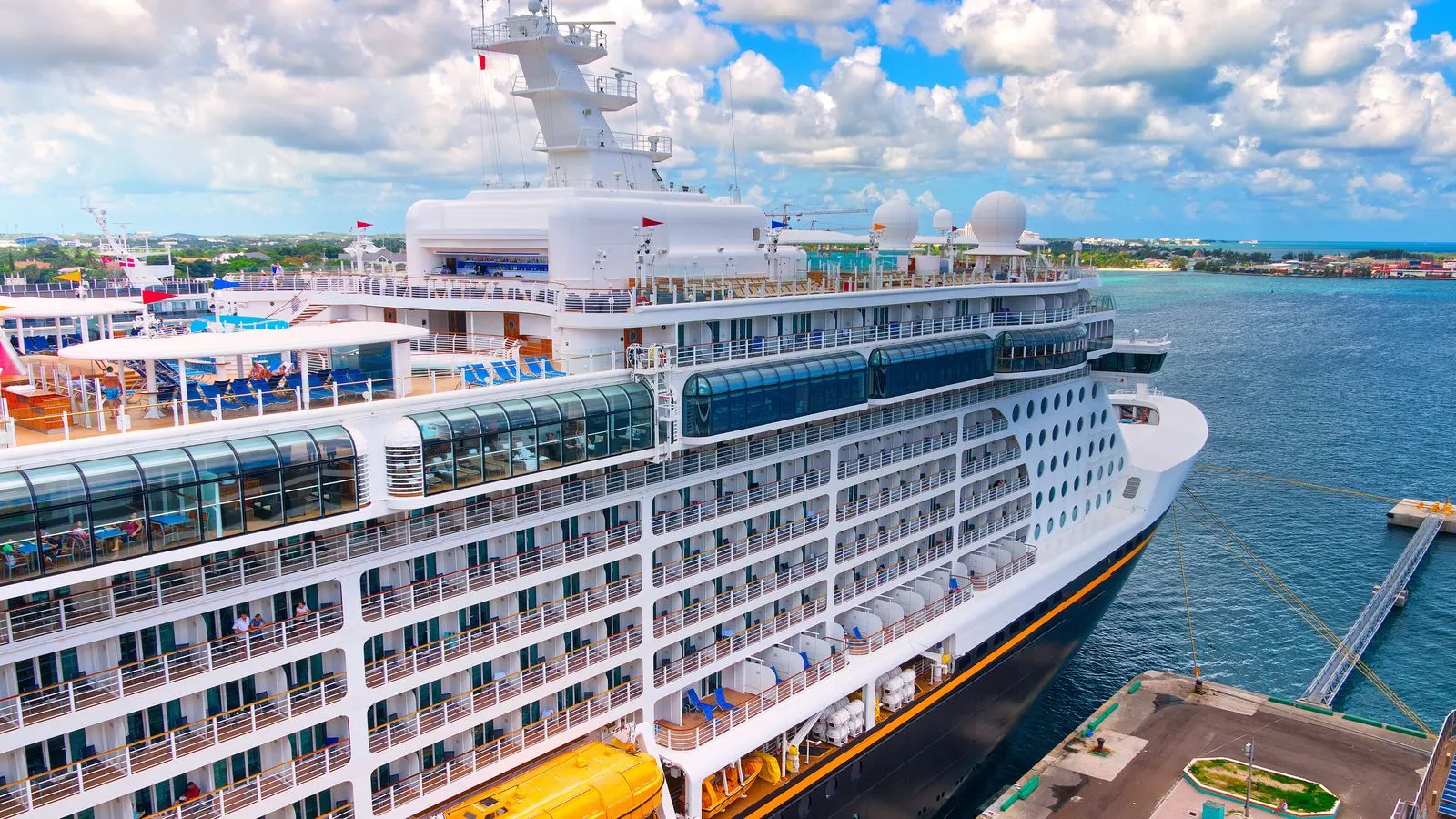
Civitavecchia, seventy kilometres northwest of Rome, is the Mediterranean's busiest cruise port and Rome's port; the transfer between Fiumicino and the cruise terminals is one of the largest single markets in the Italian fleet. The drive is an hour to an hour and a quarter on the A12; the port's terminals are spread along a long quay and the chauffeur drops at the correct one for the ship. Families with cruise luggage are a van or Sprinter booking; the cruise port transfers page covers the timing and the CLIA embarkation guidance is the reference. Many cruise passengers spend a night or two in Rome first, and the pattern is a transfer from Fiumicino to a hotel in the centre, a day with a chauffeur for the city, and a transfer from the hotel to the port on sailing day.
Business travel in Rome
Rome's corporate districts are the EUR, the planned business quarter to the south with the ministries, the banks and the large hotels, closest to the airport; the area around Via Veneto and the Parioli embassies; and the Termini and Tiburtina station districts. The Vatican, the FAO and the other UN agencies, and the government ministries in the centre generate a steady diplomatic and institutional demand. A corporate account handles euro billing across Rome, Milan and the other Italian cities; the executive car service page sets out the product.
Ciampino, the second airport
Ciampino (CIA), southeast of the city, is the low-cost airport for Ryanair, Wizz and the others, fifteen kilometres from the centre and forty minutes from Fiumicino. The private transfer from Ciampino to the centre is EUR 60-100 in a sedan and thirty to forty-five minutes; the regulated taxi fare is EUR 40. Chauffeurs meet in Ciampino's single small arrivals hall. Both airports are on the airports page.
The return transfer
Fiumicino's departures halls are large and the security queues are moderate; the non-Schengen passport lane at T3 in the afternoon departure bank for the Americas is the slow point. Allow three hours at the terminal for a long-haul flight and two for a European one. From the historic centre that means a pickup four hours before a long-haul departure in the peak; the chauffeur proposes it. The IATA baggage guidance applies, and Rome's ZTL means the pickup at a central hotel is at the door, not at the edge of the zone.
Booking
Enter FCO, the flight number, the hotel's name and street (Rome has several hotels with the same name in different districts), passengers and bags, and the vehicle in the booker. The fare is shown in euros and fixed. The chauffeur's name, photo, vehicle and meeting point arrive by text on the morning. Milan, Florence, Naples and Venice are on the destinations page.
Rome's districts, from a chauffeur's seat
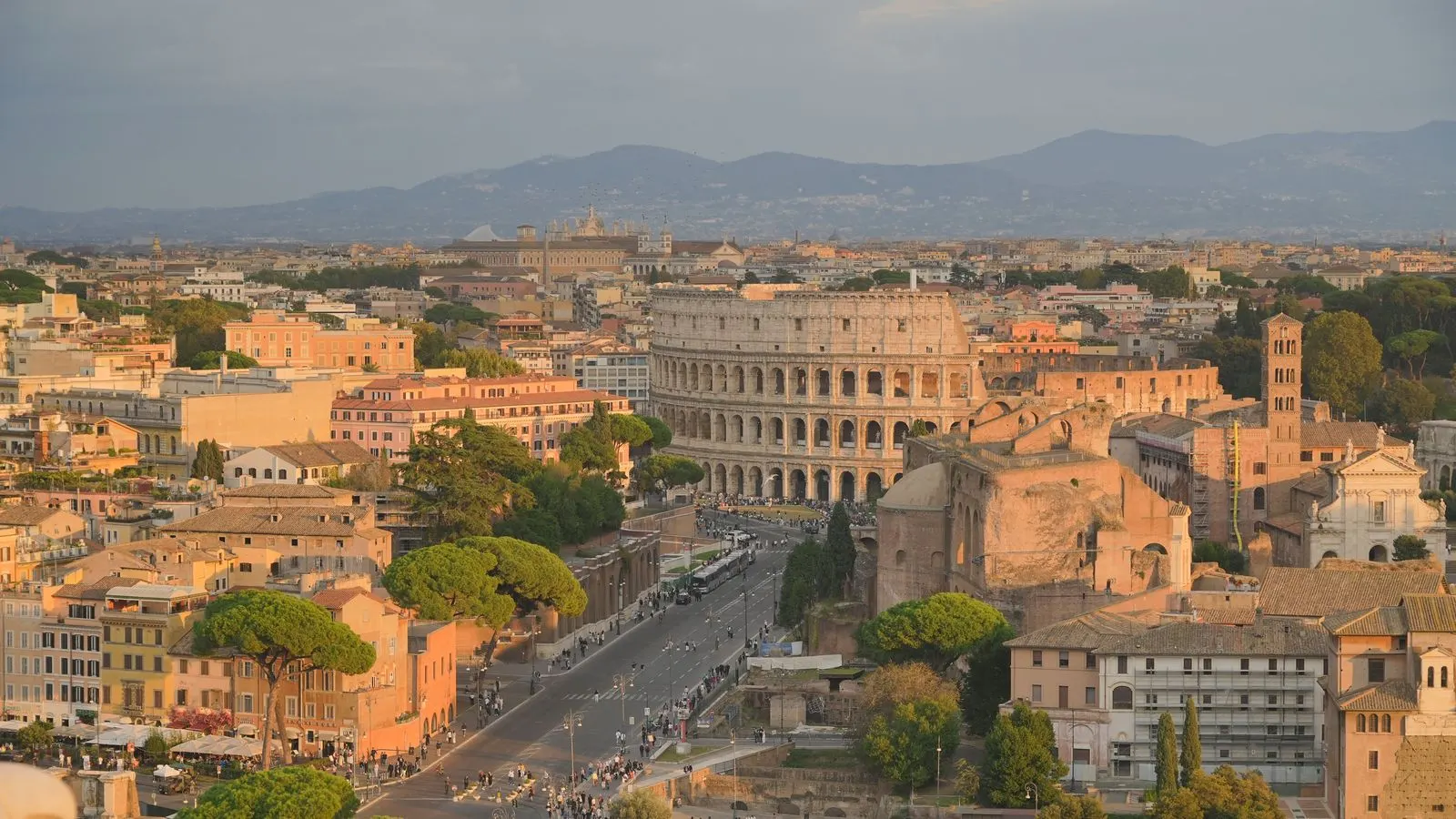
The historic centre - the Pantheon, Piazza Navona, Campo de' Fiori, the Ghetto - is the deepest part of the ZTL and the district where the chauffeur's authorisation earns its keep; the hotels are in narrow streets and the drop is at the door. The Spanish Steps, Via Veneto and the Trevi quarter has the grand hotels - the Hassler, the Eden, the de Russie - and is the luxury visitor's district. Prati is the residential quarter beside the Vatican, with mid-range hotels and the best transfer time from the airport. Trastevere is the old working district across the river, now the restaurant quarter, with boutique hotels in the lanes. Monti is the village between the Forum and Termini. Termini and the Esquiline have the largest concentration of hotels and the worst traffic. Parioli is the embassy and residential quarter to the north with a few large hotels. The EUR is the business district to the south, thirty minutes from the airport and the right base for a corporate visit.
A day in Rome with a chauffeur
Rome is a walking city inside the centre and a chauffeured city outside it. A day with a chauffeur at EUR 550-950 covers the things that are far apart: the Vatican Museums in the morning, the Appian Way and the catacombs after lunch, the Castelli Romani or Tivoli's villas in the afternoon, and dinner in Trastevere with the car waiting. The chauffeur is not a licensed guide - Italy separates the two roles strictly and a guide can be added - but knows the entrances, the parking and the hour when the Forum empties. The private driver for a day article has the day-rate context, and the how much does a limo cost article places Rome in the middle of the Western European band.
Inter-city transfers
Rome to Florence (three hours), Naples and the Amalfi Coast (two and a half to three and a half), Orvieto and Umbria (an hour and a half), and the Tuscan countryside are priced by distance and are among the most popular one-way bookings in the Italian fleet, often with a stop at a hilltop town on the way. The global chauffeur service page explains inter-city pricing; the high-speed train is faster for Florence and Milan, and a chauffeur can meet the train at Santa Maria Novella or Centrale instead.