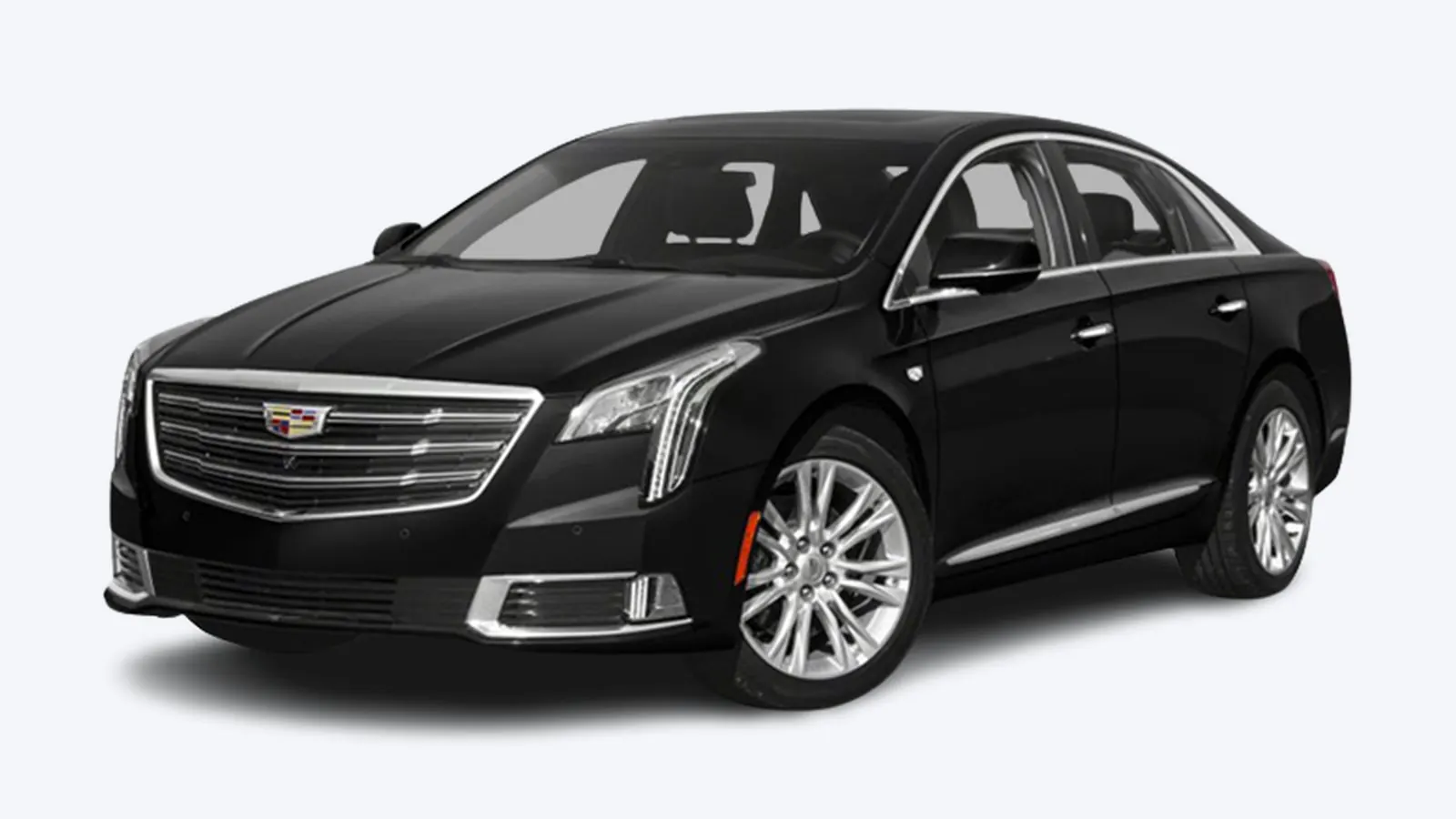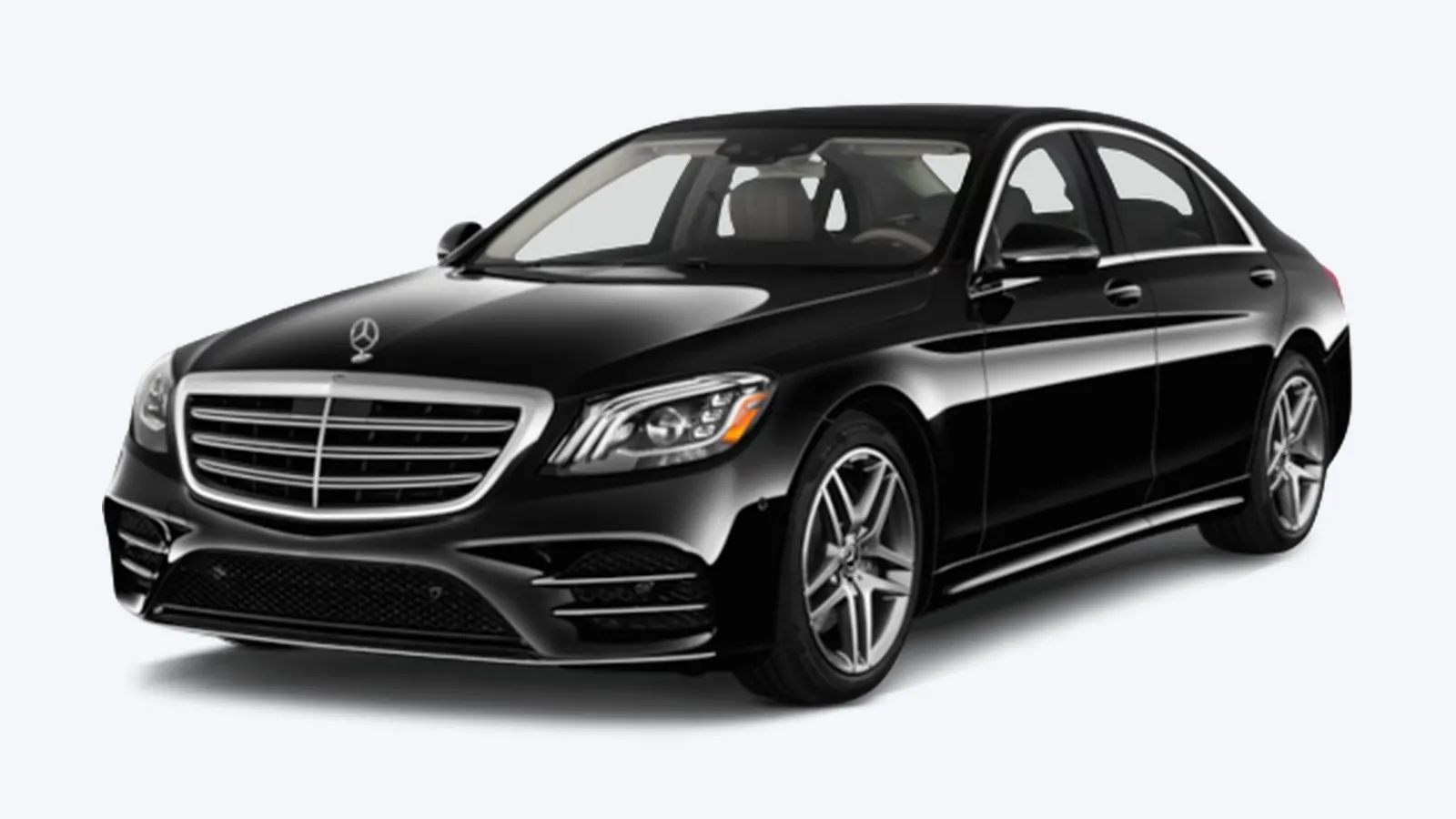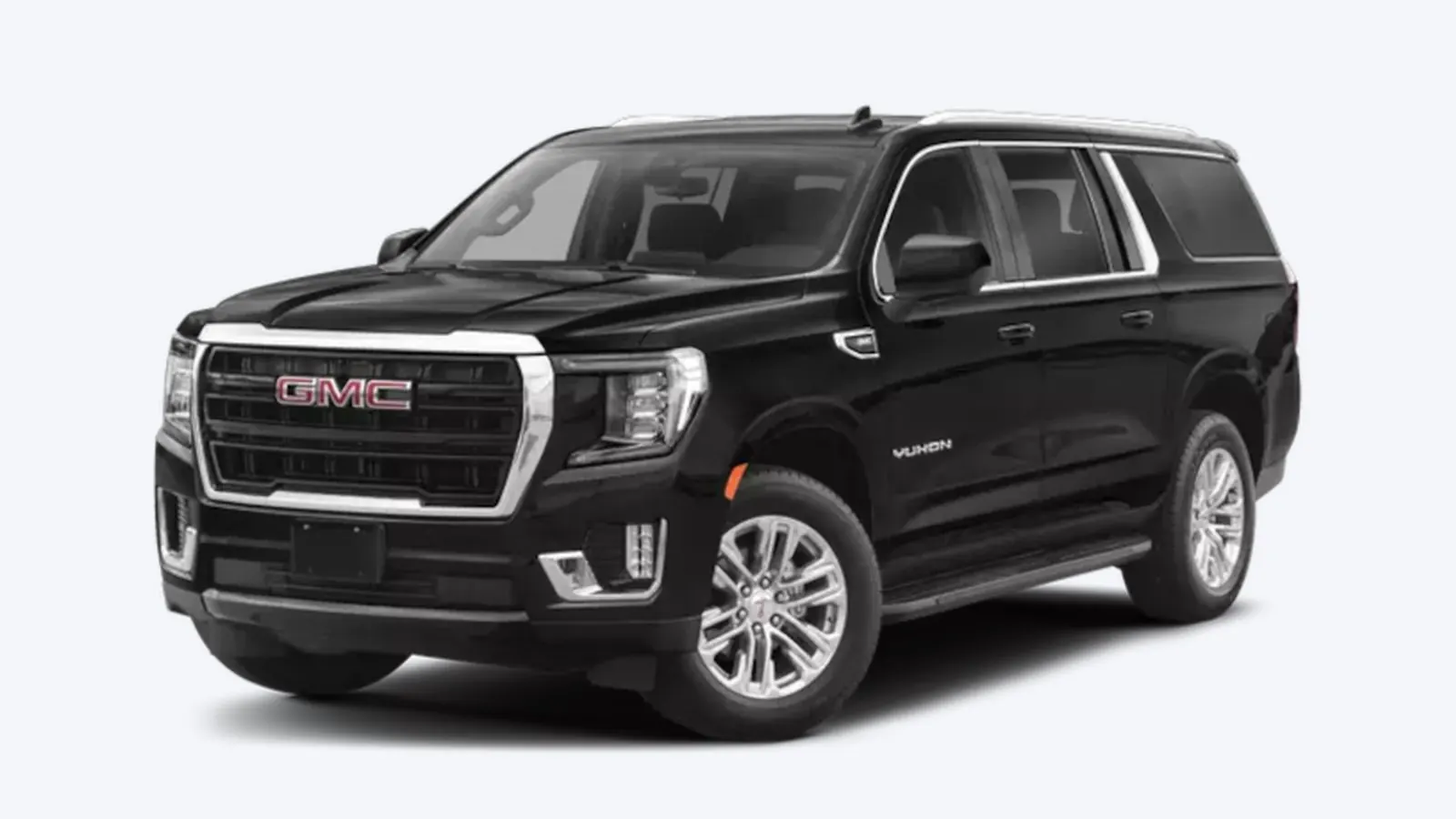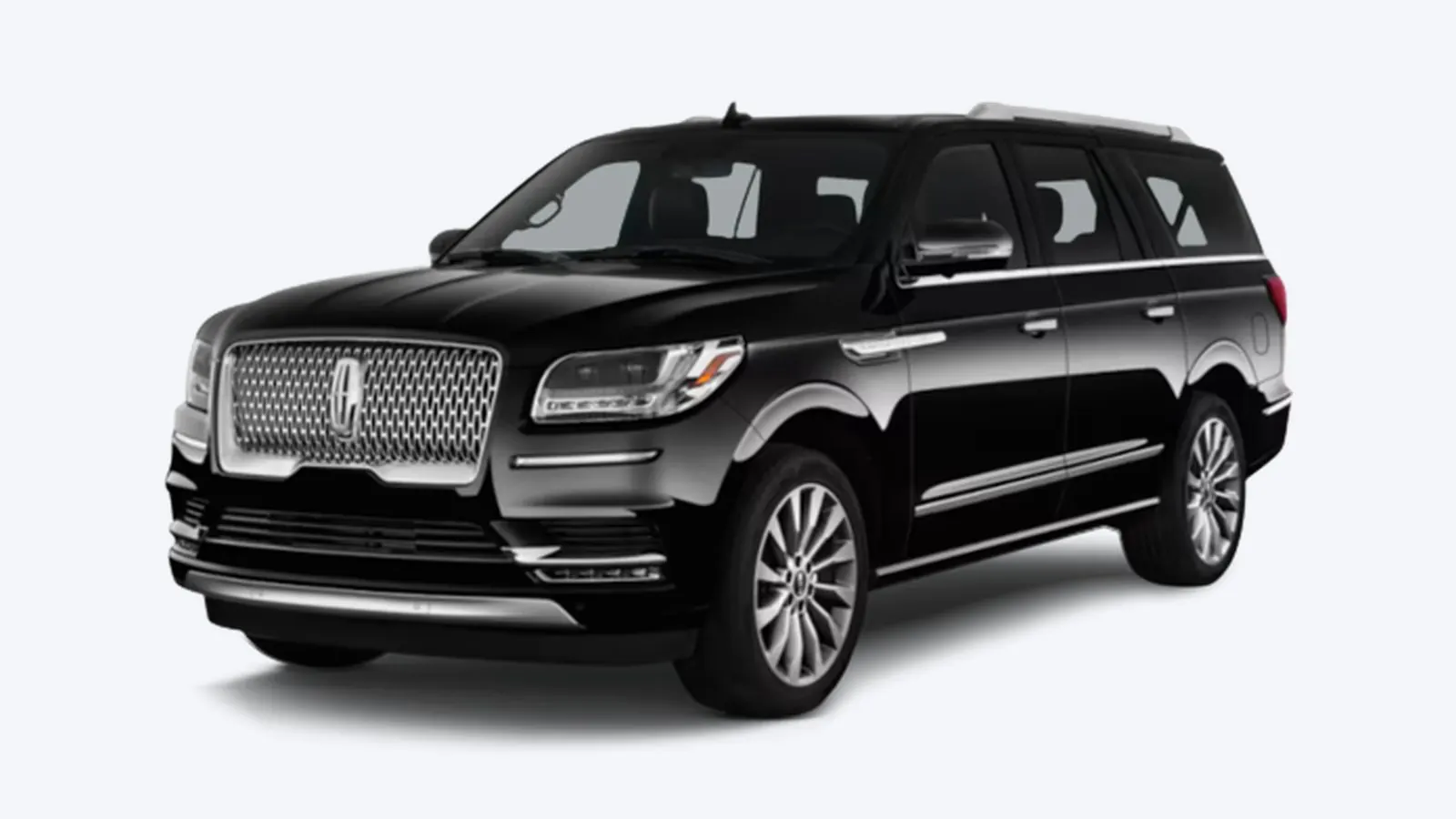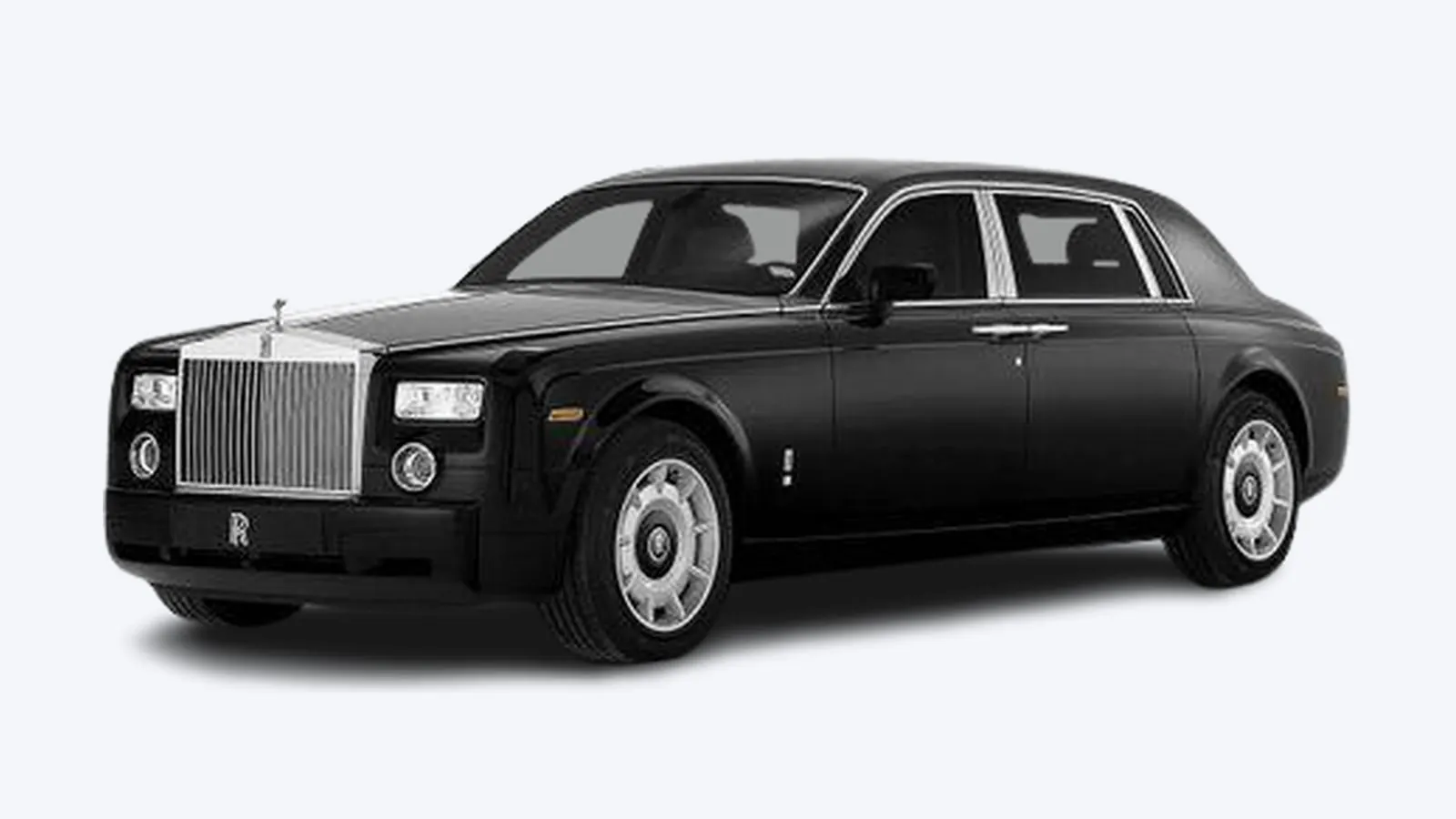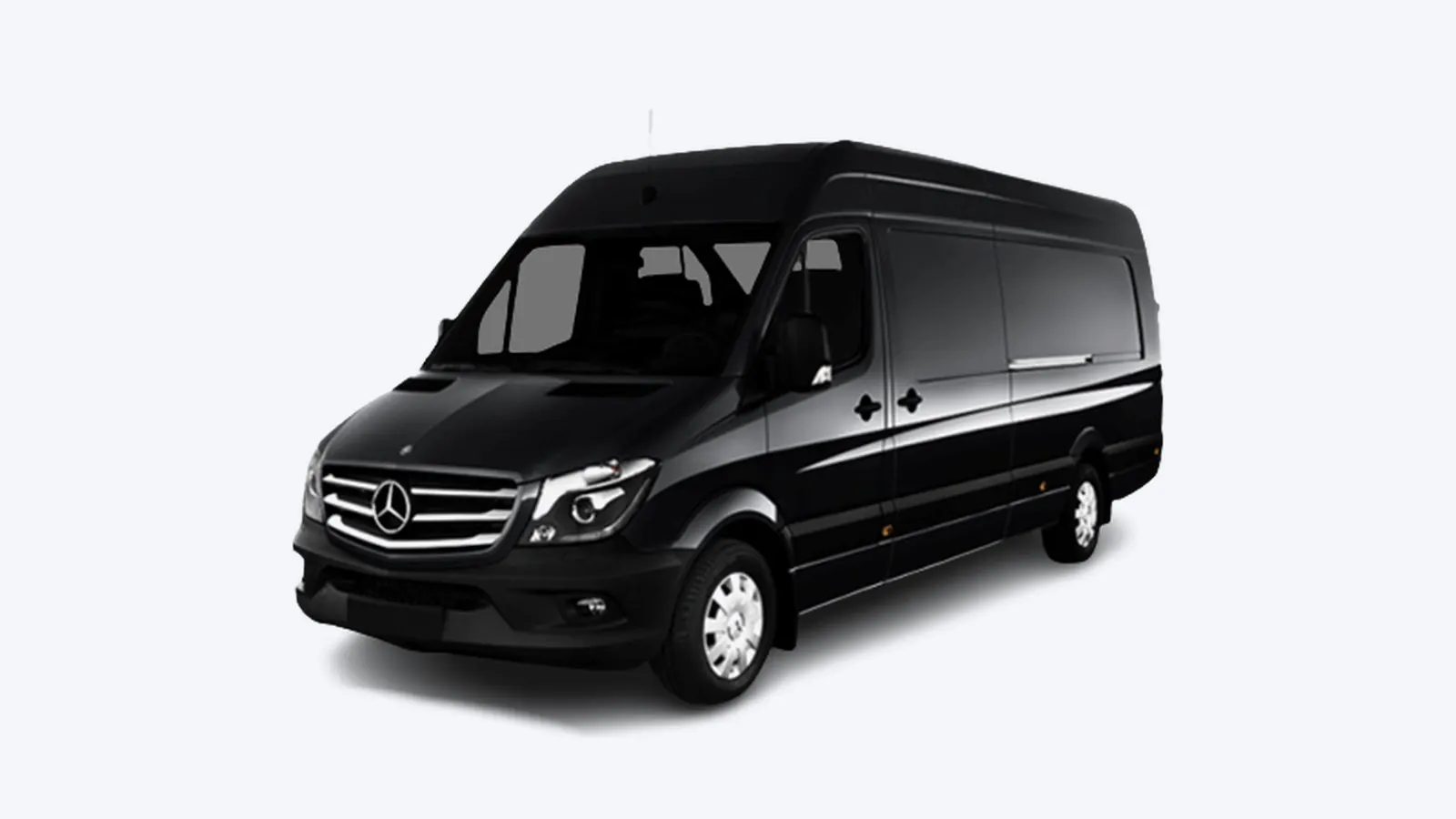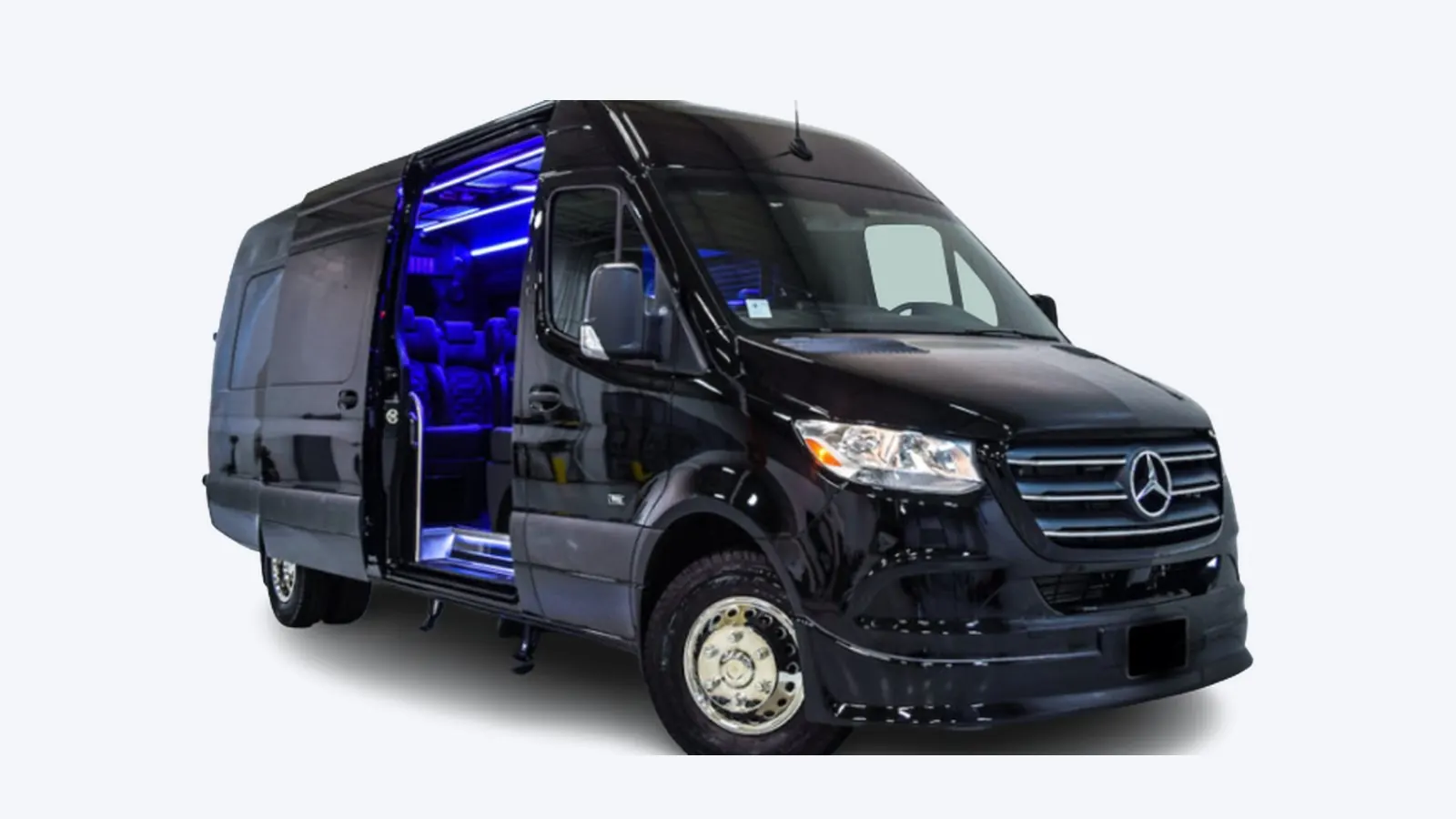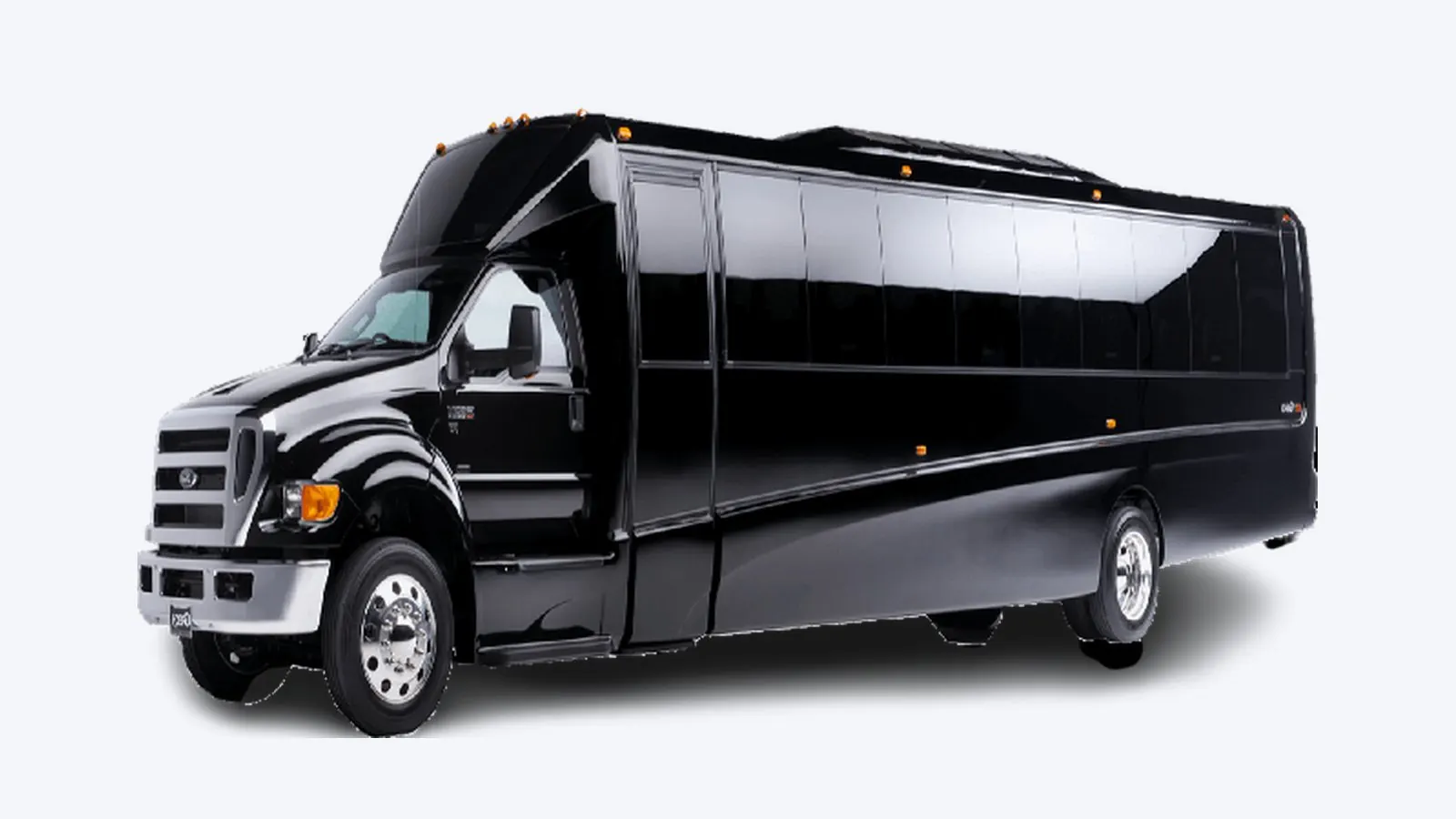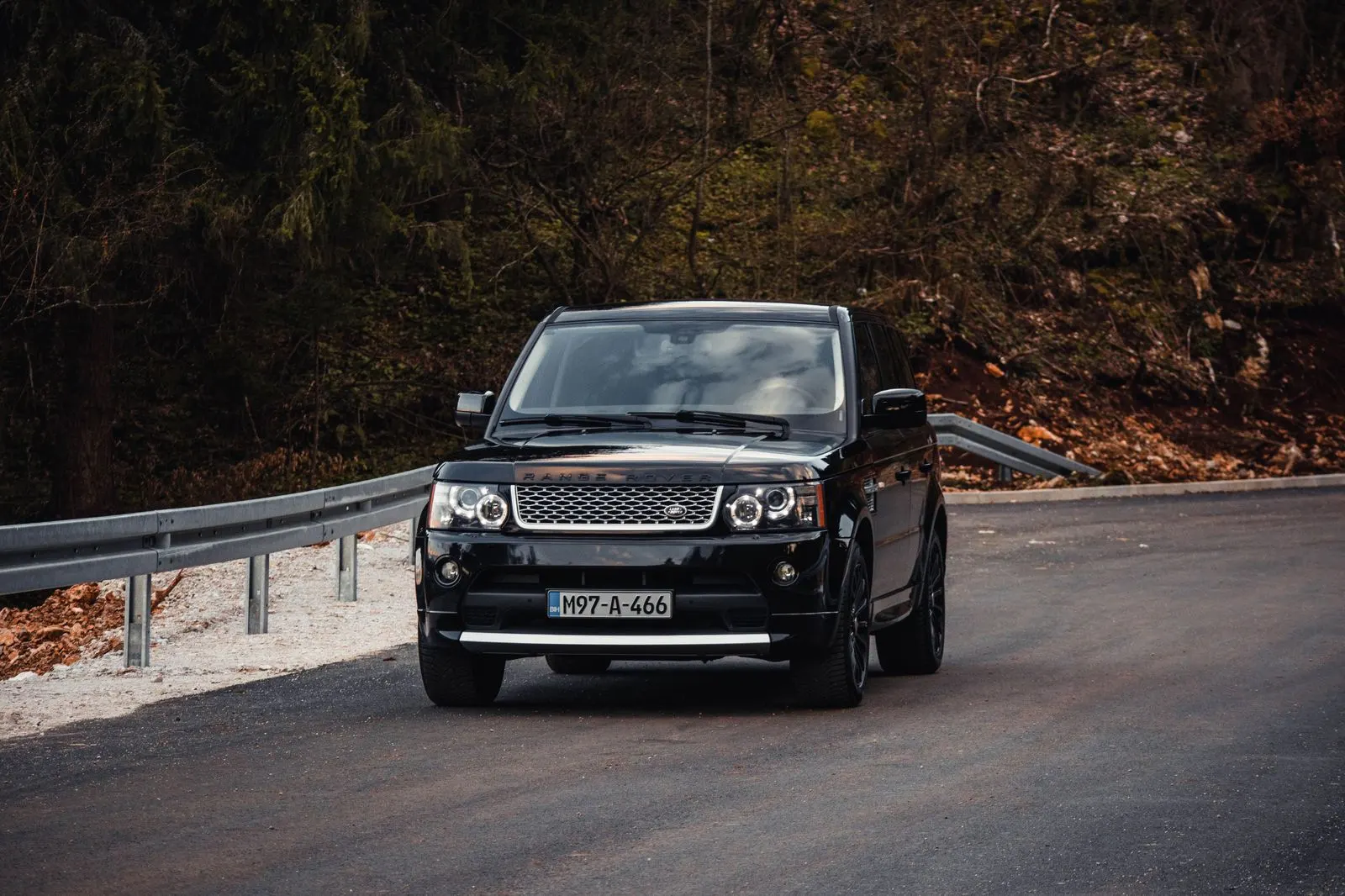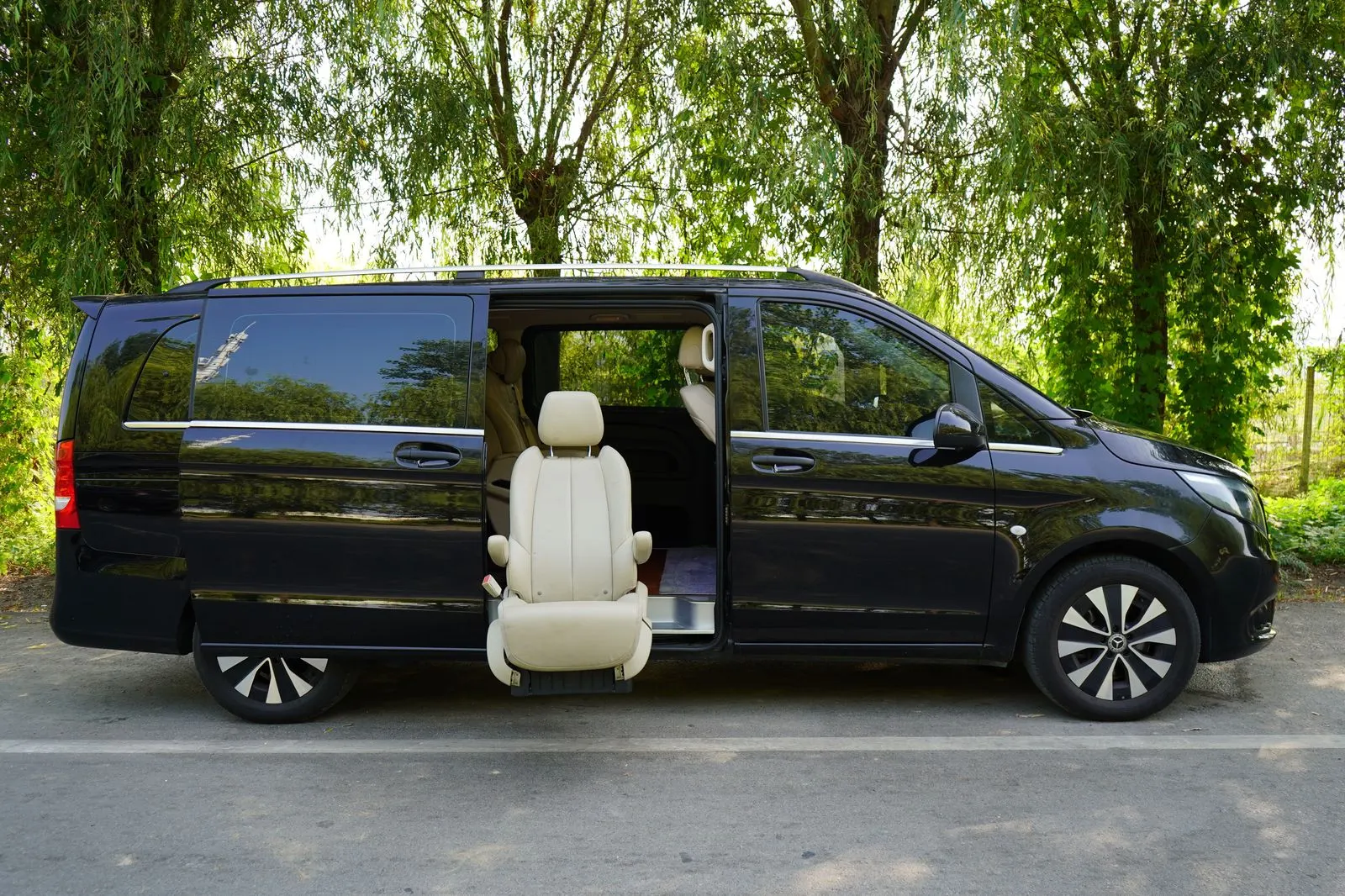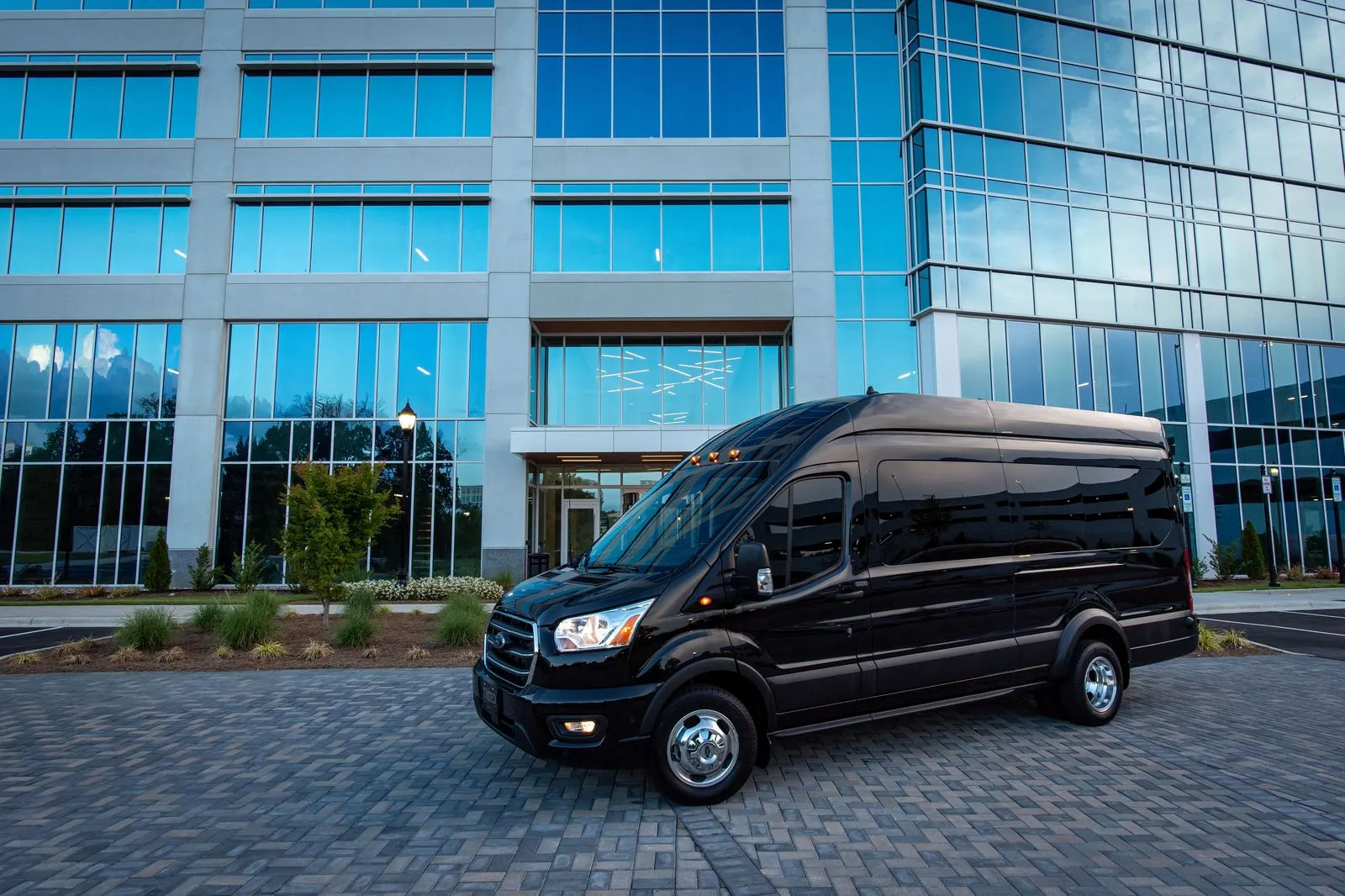










































































































An armored car service supplies a ballistic-protected vehicle with a chauffeur trained to drive it. RutzLimo.com arranges armored sedans and SUVs by special quote through vetted specialist partners, after reviewing the destination, the principal and the programme. Every quote is all-in, with taxes and a 20% gratuity included.
When an armored vehicle is the right answer
Most high-profile clients do not need an armored car. A discreet, unbranded vehicle, a vetted chauffeur, a varied route and a quiet arrival at a side entrance deal with most of the risks a principal faces in most cities. Armor becomes the right answer when a credible threat assessment says so: a principal with a specific, known threat; travel to a city where kidnapping or armed robbery of visitors is a real pattern; a period of civil unrest; a high-value person moving at predictable times. In those cases the protection of the vehicle itself - against small-arms fire, against blast at close range, against an attempt to force the doors - becomes part of the security plan.
RutzLimo.com treats armored transport as a specialist service, not a vehicle upgrade. We do not keep armored cars in every city, and no honest company does. What we do is source the right vehicle through vetted specialist partners in the city where it is needed, check its documentation, and pair it with a chauffeur trained to drive a heavy protected vehicle, under the same confidentiality as every other engagement.
What "armored" means - and what to ask
Armored vehicles are built to recognised ballistic standards, and a quote should always state which one. In Europe, the levels set by VPAM and the European standards published through CEN are the common reference; in North America, many specifications refer to the body-armor and ballistic test methods of the National Institute of Justice. The number on the certificate matters less than the match between the protection and the threat: a level that stops a handgun is not the same as one that stops a rifle, and blast protection is a separate question from ballistic protection.
When we quote an armored vehicle, we tell you the make and model, the protection level and the standard it is certified to, the age of the conversion, and the weight - because weight changes how the car brakes and corners, which is why the chauffeur's training matters. If a partner cannot provide that documentation, we do not offer the vehicle.
The chauffeur matters as much as the armor
A protected SUV can weigh several hundred kilograms - sometimes more than a tonne - more than the standard model. It stops later, rolls more in corners, takes longer to accelerate and wears its tyres and brakes faster. A chauffeur who has not been trained on a heavy vehicle is a risk in it. Chauffeurs assigned to armored work are experienced in protective and evasive driving techniques, are familiar with the specific vehicle before the engagement, and work alongside the close-protection team rather than in place of it. RutzLimo.com does not provide armed security or close-protection officers; where the principal's plan includes them, our chauffeur works to the team leader's instructions.
How an armored engagement is planned
- Threat and need. You or your security adviser share what is known about the principal, the destination and the programme. If there is no formal assessment, we will say so and recommend that one is done.
- Destination review. The desk reads the current reporting for the city - including the country reports published by the Overseas Security Advisory Council - and checks partner availability for the dates.
- Vehicle and chauffeur. We propose a vehicle with its documentation, a chauffeur and, where useful, a non-armored follow car or advance vehicle.
- Routes and timings. Primary and alternative routes, safe havens, staging points and arrival entrances are planned with your team.
- The quote. One written, all-in figure for the engagement, including the vehicle, the chauffeur, any follow car and travel costs.
- Confidentiality. A non-disclosure agreement is signed before any of the above is shared with dispatch or a partner.
Pricing
Armored vehicles are always priced by quote, because the vehicle, the protection level, the delivery distance and the duration vary too much for a published rate. The quote is all-in, with taxes and a 20% gratuity included. Standard vehicles used alongside an armored car - a follow car for staff, an SUV for luggage - are billed at the published rates:
| All-in rate (US$) | Business sedan | First-class sedan | SUV Business | SUV First | Chauffeur only, your car |
|---|---|---|---|---|---|
| In the city, per hour | $155 | $285 | $185 | $235 | $95 (4-hour minimum) |
| Out of town, per hour (+50%) | $232.50 | $427.50 | $277.50 | $352.50 | $142.50 |
| A 10-hour day in the city | $1,550 | $2,850 | $1,850 | $2,350 | $950 |
| Each mile over 93 in a day | $3 | $8 | $4 | $4 | n/a (your car) |
Ninety-three miles a day are included in the standard-vehicle rates; extra miles, out-of-town work, tolls, parking and Wi-Fi are charged as described on the 2026 rate card. Long engagements for a principal who needs protected transport every day can be arranged as a monthly programme or a yearly contract, with the armored vehicle quoted for the term. The terms of any such engagement are set in the written agreement.
Who asks for armored transport
Executive-protection teams arranging a principal's visit; family offices whose principals travel to higher-risk destinations; corporate security departments moving executives through cities with elevated risk; media organisations; and governments and missions, who should also read our diplomatic and consular transportation page. Many of these clients also use a private chauffeur in a standard vehicle for the parts of a trip that do not need armor - a sensible way to keep the protected vehicle for the moments that matter.
Discretion
Clients who need armored vehicles are, almost by definition, clients who need discretion. Every armored engagement runs under a signed NDA, with the itinerary restricted to the assigned team, code names on the reservation if you wish, and no branding on any vehicle. The Discretion & NDA section on this page sets out the commitments in full; for arrivals by air, the private-jet and FBO transfer service keeps the principal off the public terminal.
Armor is one layer, not the whole plan
Security professionals talk about layers, and an armored vehicle is only one of them. The others matter at least as much: keeping the itinerary confidential, varying routes and timings, choosing entrances that are not overlooked, avoiding predictable waiting in public, and having a chauffeur who notices when something is wrong. Many incidents involving vehicles happen at the beginning or end of a journey - leaving a residence, arriving at an office, waiting outside a restaurant - rather than on the open road. That is why our planning starts with the arrivals and departures and only then turns to the vehicle.
For the same reason, an armored car that is badly used can be less safe than an ordinary car that is well used. A heavy vehicle parked conspicuously outside the same building every morning at the same time announces itself. A discreet SUV that arrives at a different entrance on different days does not. The right plan often combines both: protected transport for the moments of real exposure, a standard vehicle for the rest.
Protected sedans and protected SUVs
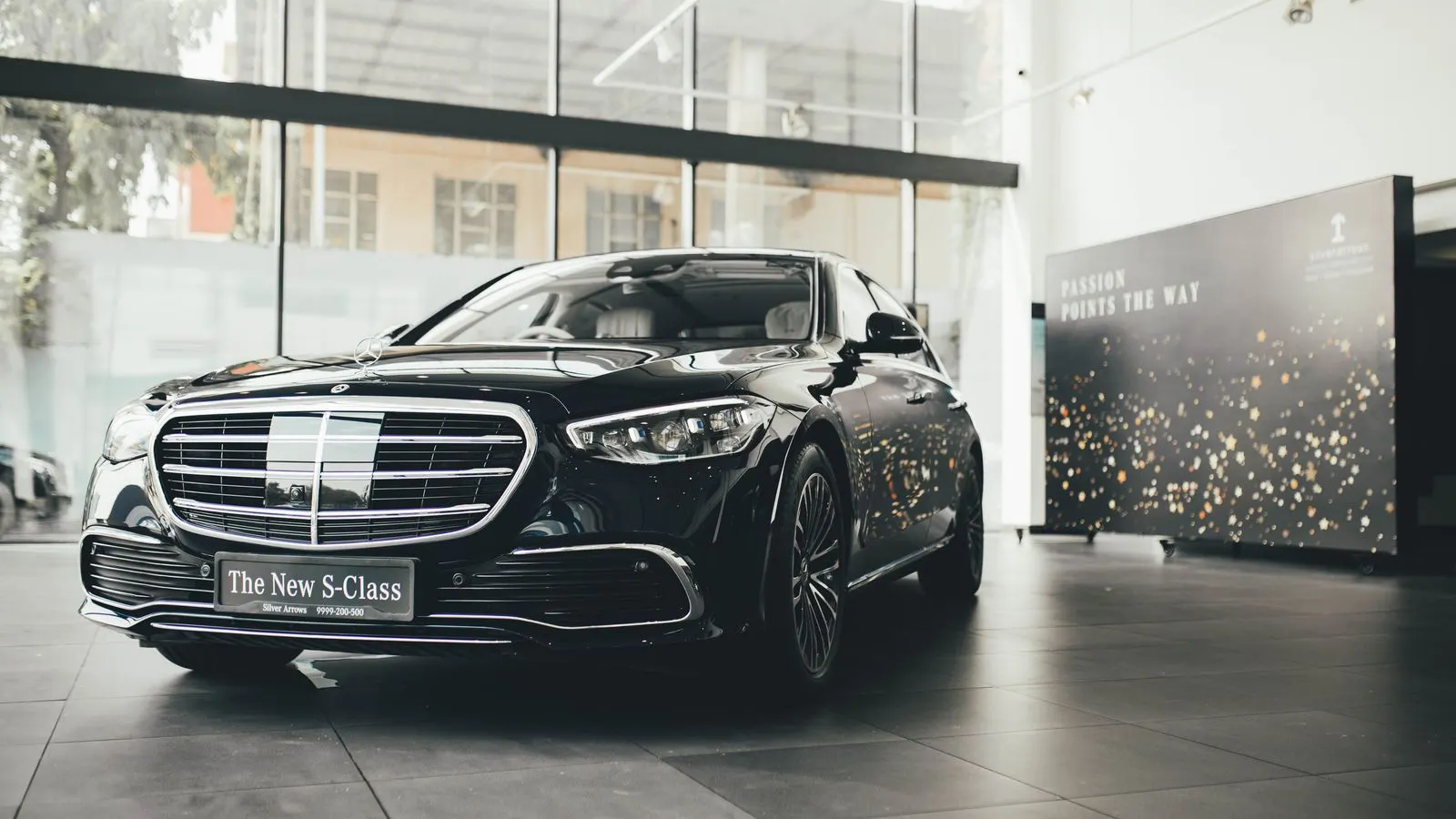
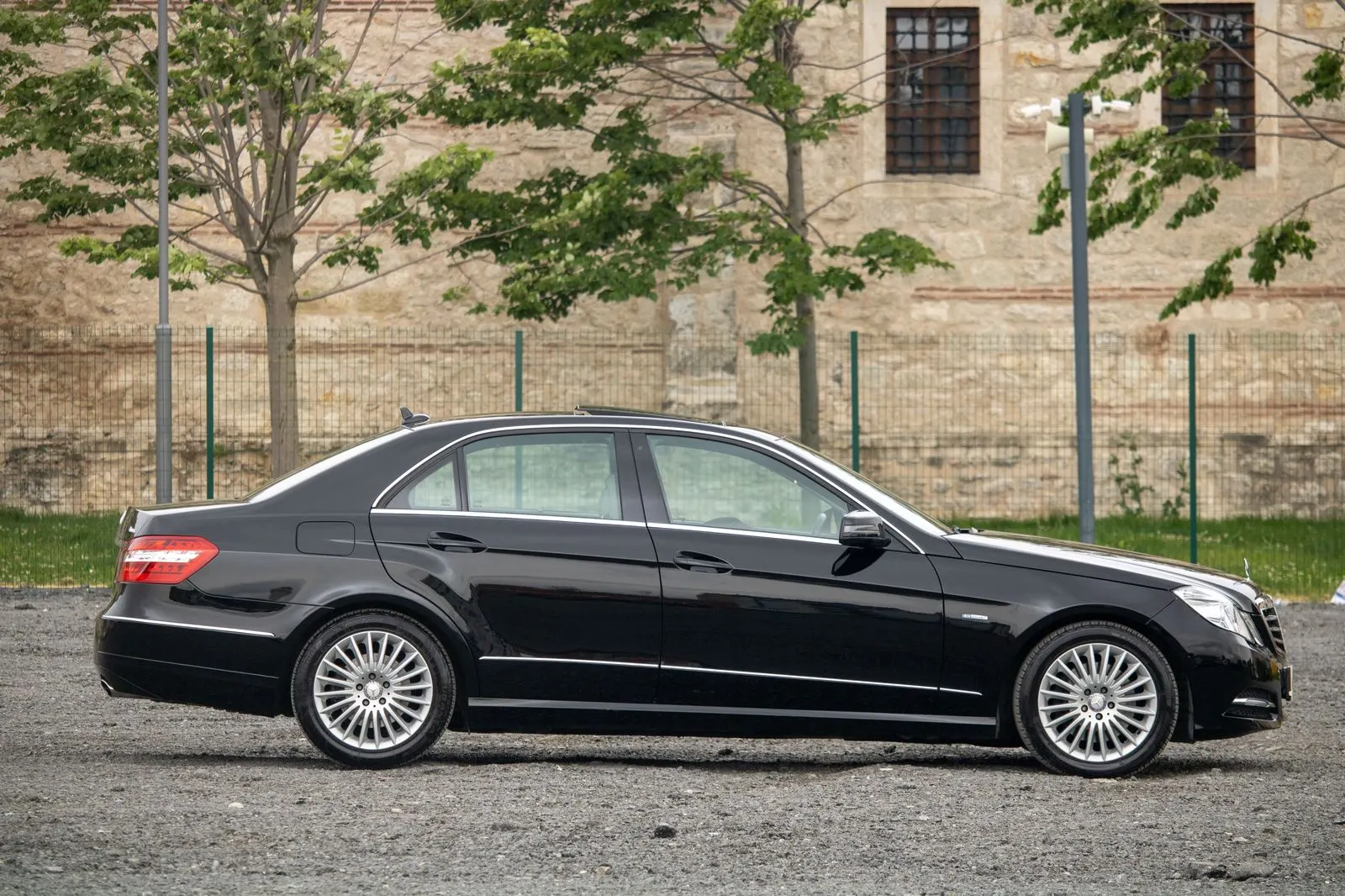
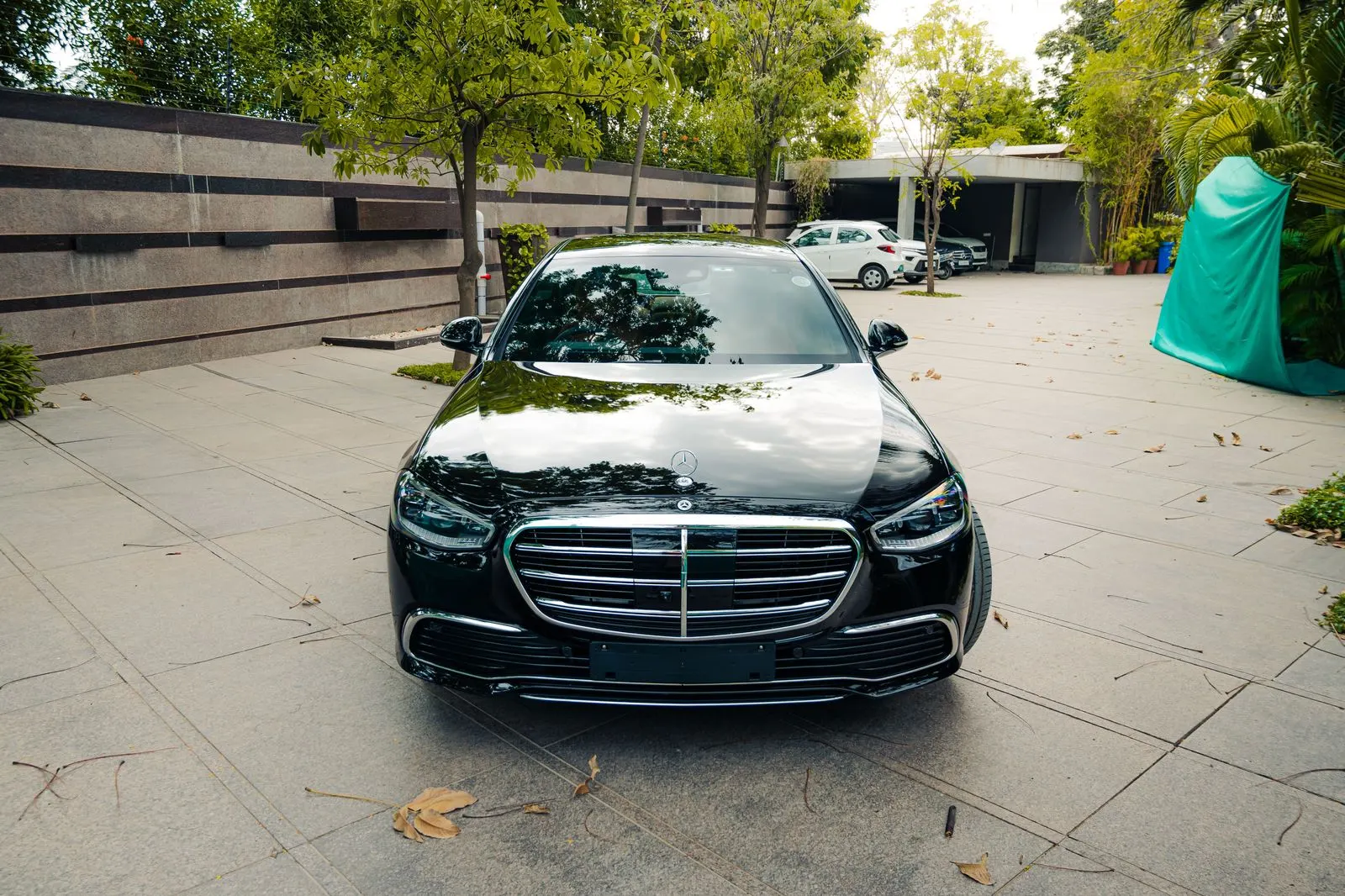
Armored vehicles come in two broad families. Sedans - typically long-wheelbase executive models converted to a protection level - look like the ordinary car they are based on, which is valuable in a city where an SUV would stand out, but they have less room for heavy armor and are more affected by the extra weight. SUVs - typically full-size models with a reinforced chassis and suspension - carry higher protection levels and more passengers, and are the most common protected vehicle worldwide, but are more visible. The desk will recommend one or the other based on the city, the threat and the passenger count, and will always tell you the trade-off.
Questions to ask any armored car provider
Whether you book with us or with someone else, ask these questions before you accept a protected vehicle:
- Which standard is the vehicle certified to, at what level, and can I see the certificate?
- Who carried out the conversion, and when?
- What is the vehicle's weight, and have the brakes, suspension and tyres been upgraded to match?
- Does the vehicle have run-flat tyres or inserts?
- Has the chauffeur been trained on a protected vehicle, and on this one?
- What happens if the vehicle breaks down - is there a second vehicle, and how quickly can it reach us?
- Who will know the itinerary, and is there a signed confidentiality agreement?
A provider who cannot answer these clearly should not be trusted with a principal. We answer them in writing with every armored quote.
Arriving and departing by private aviation
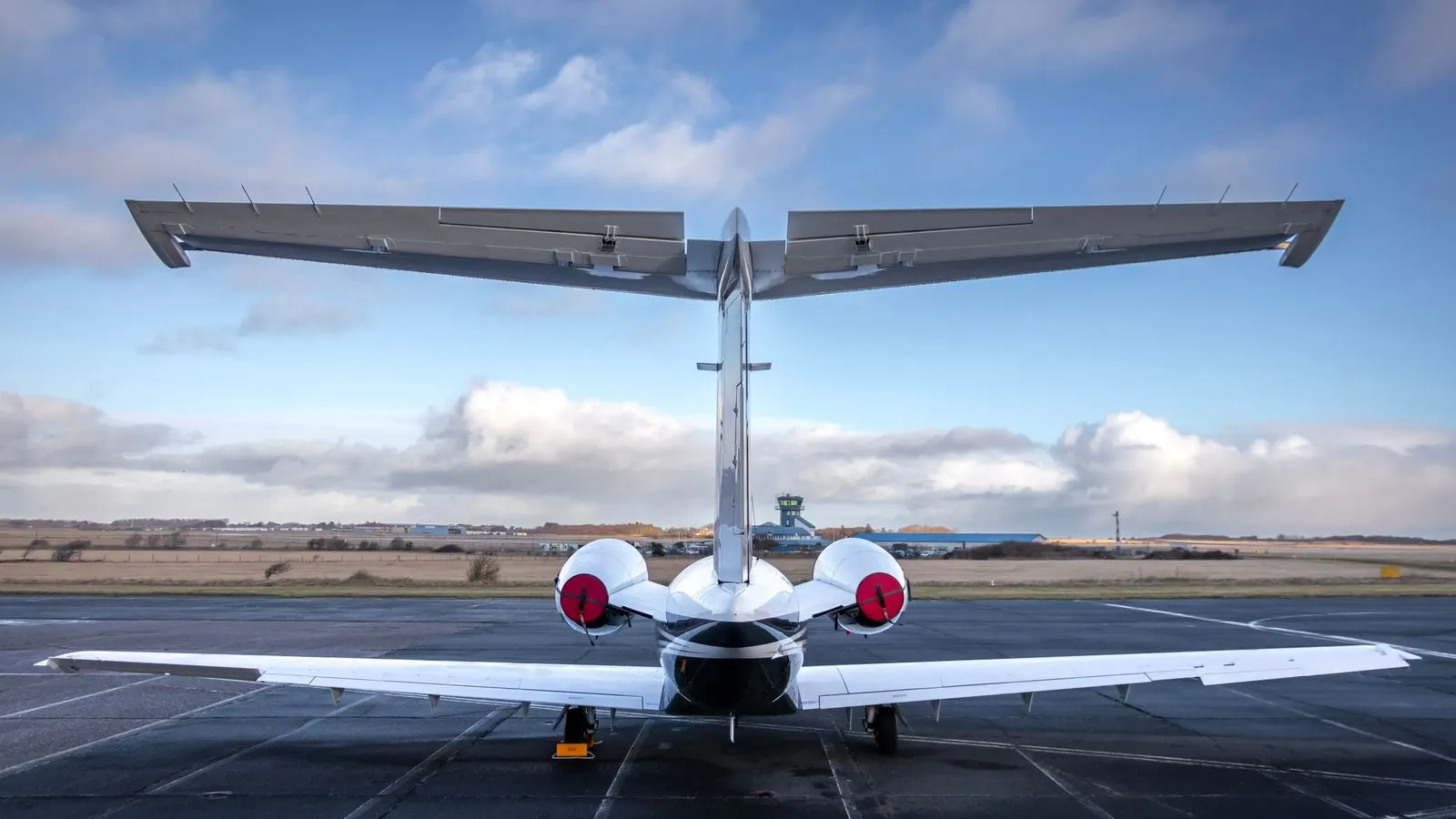
Clients who need armored ground transport frequently travel by private jet. Arriving at a business-aviation terminal rather than the public terminal removes the most exposed part of the journey - the arrivals hall - and, where the FBO allows it, the vehicle can meet the aircraft on the ramp. The coordinator confirms the arrangement with the handler in advance and tracks the tail number, so the car is in position when the aircraft blocks in. Our private-jet and FBO transfer service handles the logistics; this page covers the vehicle.
Armored transport by region
The availability of protected vehicles varies a great deal from one region to another. In parts of Latin America, the Middle East and Africa, armored SUVs are a normal part of the executive transport market and specialist providers are well established. In much of Western Europe, North America and East Asia, protected vehicles are rarer, are concentrated in capital cities, and often have to be positioned from elsewhere for a visit - which adds time and cost and is reflected in the quote. In a few countries, importing or operating an armored vehicle requires a permit that takes weeks to obtain.
For these reasons, give the desk as much notice as you can. A protected vehicle for tomorrow in a capital with an established market may be possible; the same request in a city with no local supply usually is not. When notice is short, the desk will tell you plainly what can be done, and will propose the best non-armored arrangement - a discreet vehicle, a vetted chauffeur trained in protective driving, varied routes and private arrivals - as an interim measure while a protected vehicle is positioned.