









































































































Diplomatic and consular transportation is chauffeured transport for heads of mission, consular staff, ministers and visiting delegations, run to protocol and under confidentiality. RutzLimo.com provides it by the hour, the month or the year - from US$155 an hour all-in, taxes and 20% gratuity included - with an NDA signed before any details are shared.
What diplomatic transport needs that ordinary car service does not
A consul general's week looks like a busy executive's week from the outside: airport arrivals, meetings across town, receptions in the evening. The differences are in the detail. Order of precedence decides who leaves which car first. A head of mission's vehicle may fly a flag on official business and not otherwise. A visiting minister's programme changes on the advice of a host-government liaison officer, sometimes minutes before departure. The passenger list is confidential, and so is the hotel. A missed pickup is not an inconvenience; it is a diplomatic incident.
RutzLimo.com's diplomatic and consular service is built for those details. Chauffeurs are briefed on protocol before the first engagement and on the specific programme before each visit. A coordinator works directly with your protocol office or the mission's administration section, receives changes from one authorised contact, and passes them to every chauffeur on the move at once. Vehicles are clean, unbranded and ready for flags where the mission supplies them.
Services for missions and governments
Head-of-mission and consular cars. A dedicated chauffeur and vehicle for an ambassador, a consul general or senior staff, reserved on a monthly programme or a yearly contract with the hourly rate locked for twelve months - useful for a mission working to an annual budget.
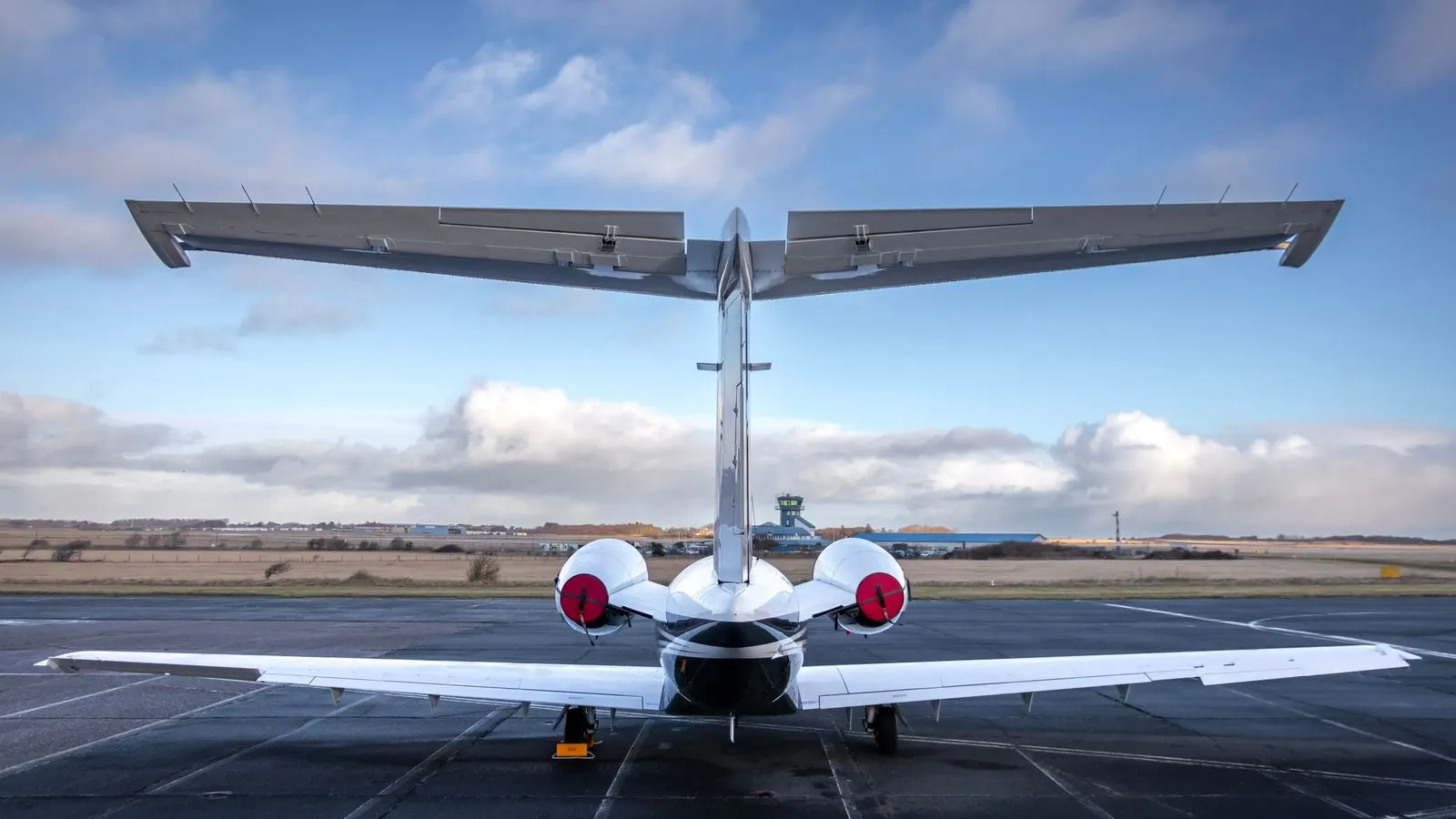
Official visits and delegations. A ministerial visit, a trade mission or a parliamentary delegation: lead car, principal's car, staff cars and a Sprinter or coach for the wider party, arranged as a single move with one coordinator and one schedule. Arrivals at the airport or at a private-jet terminal are flight- or tail-number tracked.
Summits and multilateral meetings. When a city hosts a summit, every delegation competes for the same vehicles. Missions that reserve early, through a monthly block or a short-term booking for the summit dates, have their cars and chauffeurs confirmed in writing well before the accreditation deadlines.
National days, receptions and ceremonies. Guest shuttles, VIP arrivals at the residence and timed departures at the end of the evening.
Consular duty trips. A consul visiting nationals in another city, a hospital or a detention facility needs a reliable car and a discreet chauffeur, often at short notice. Short-term chauffeur hire covers it by the day.
Rates for diplomatic and consular work
Diplomatic work is billed at the published hourly rates, in US dollars and all-in, with taxes and a 20% gratuity included. Missions and government offices can be invoiced monthly against a purchase order.
| All-in rate (US$) | Business sedan | First-class sedan | SUV Business | SUV First | Chauffeur only, your car |
|---|---|---|---|---|---|
| In the city, per hour | $155 | $285 | $185 | $235 | $95 (4-hour minimum) |
| Out of town, per hour (+50%) | $232.50 | $427.50 | $277.50 | $352.50 | $142.50 |
| A 10-hour day in the city | $1,550 | $2,850 | $1,850 | $2,350 | $950 |
| Each mile over 93 in a day | $3 | $8 | $4 | $4 | n/a (your car) |
Ninety-three miles a day are included. Out-of-town work is 50% above the city rate, plus the chauffeur's hotel where needed and a flat $100 travel allowance; tolls, parking and Wi-Fi are passed through at cost. Monthly blocks of 40 to 220 hours are charged at the same hourly rates and unused hours do not roll over. Armored vehicles, coaches and the Jet Sprinter are priced by quote. Any arrangements specific to a mission - security vetting of named chauffeurs, standing instructions, reporting - are written into the agreement.
Protocol, privileges and the law
Diplomatic transport sits inside a framework of international law and host-country rules. The Vienna Convention on Diplomatic Relations sets out the privileges of missions and their staff; host governments publish their own guidance for foreign representatives - in Canada, for example, through Global Affairs Canada's Office of Protocol. Our chauffeurs are not diplomatic agents and do not share those privileges: they hold commercial licences, obey local traffic law and carry the documents the city requires. What they do bring is an understanding of how a protocol office works, and the patience to wait outside a ministry for as long as it takes.
For missions sending staff to higher-risk locations, the account desk reads the country reports published by the Overseas Security Advisory Council before recommending vehicles and routes, and will recommend the armored car service where the threat assessment calls for it.
Confidentiality and vetting
Every diplomatic engagement can run under a signed non-disclosure agreement, and most do. The NDA is signed before any name, address or itinerary is passed to dispatch; each chauffeur and coordinator on the account signs a personal undertaking as well; and only the assigned team can open the programme. Missions that require their own security vetting of named chauffeurs can request it, and the coordinator will supply the information the vetting process asks for. The full commitments are in the Discretion & NDA section on this page.
How a visit is planned
- The brief. The protocol office sends the programme, the passenger list (or code names), the precedence order and any flag or security instructions.
- The plan. The coordinator assigns vehicles and chauffeurs, plans the routes and staging points, and returns a written move plan.
- The briefing. Chauffeurs are briefed together on the programme and the protocol, including the order of arrival and departure at each venue.
- The day. One authorised contact sends changes; the coordinator relays them to every car. Dispatch tracks every vehicle.
- Afterwards. One statement against the purchase order, and nothing said to anyone about who was carried where.
Where the service is available
RutzLimo.com operates one reservation engine across 107 countries and the 346 airports where official visits usually begin. In capitals and consular cities served by a vetted network operator, the coordinator confirms the chauffeurs and vehicles in writing before the programme is accepted. The corporate account structure is used for missions that want several offices on one invoice.
Vehicles for official work
The choice of vehicle on official business says something, and protocol offices usually have views. A practical guide to the classes we supply:
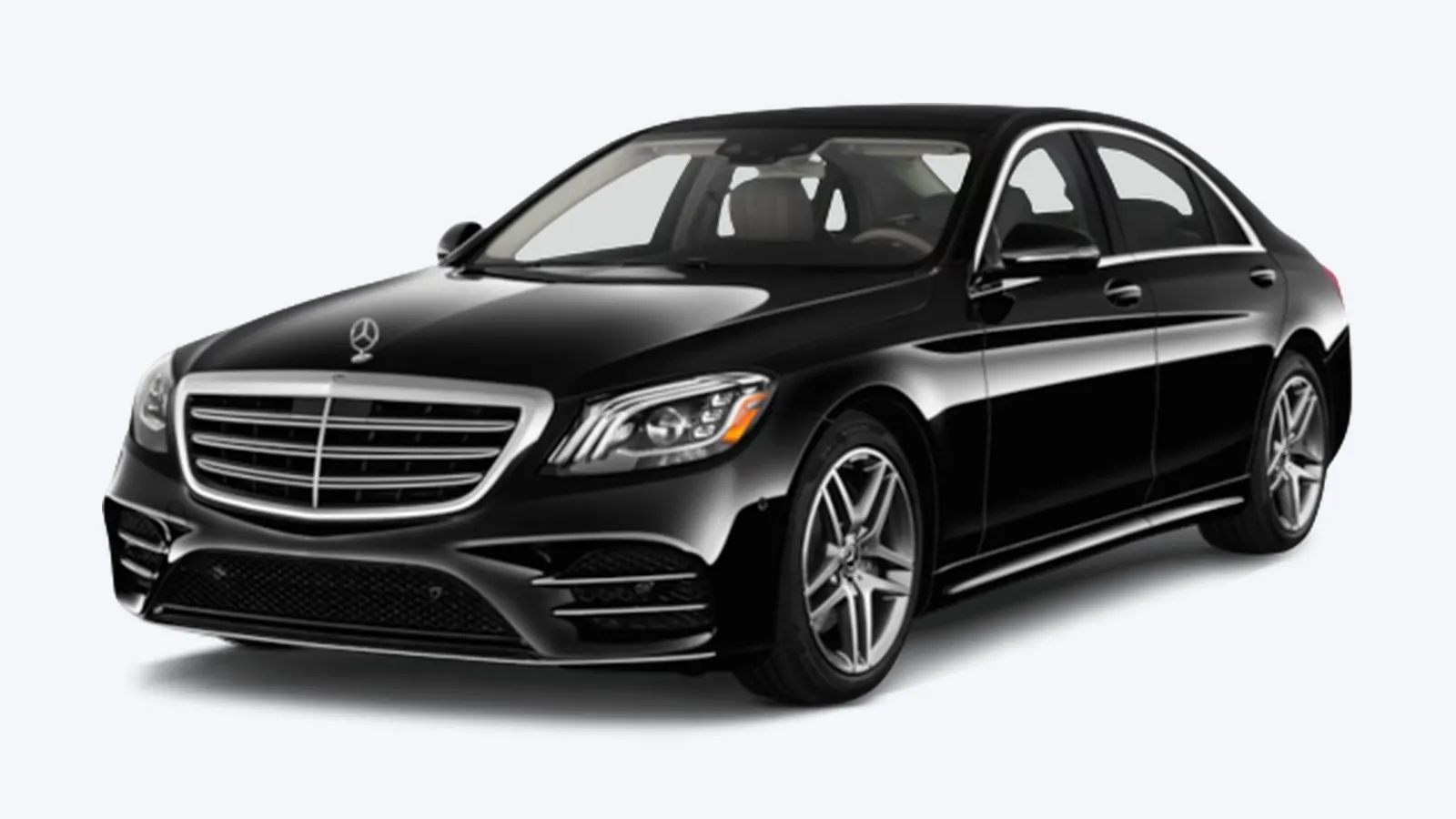
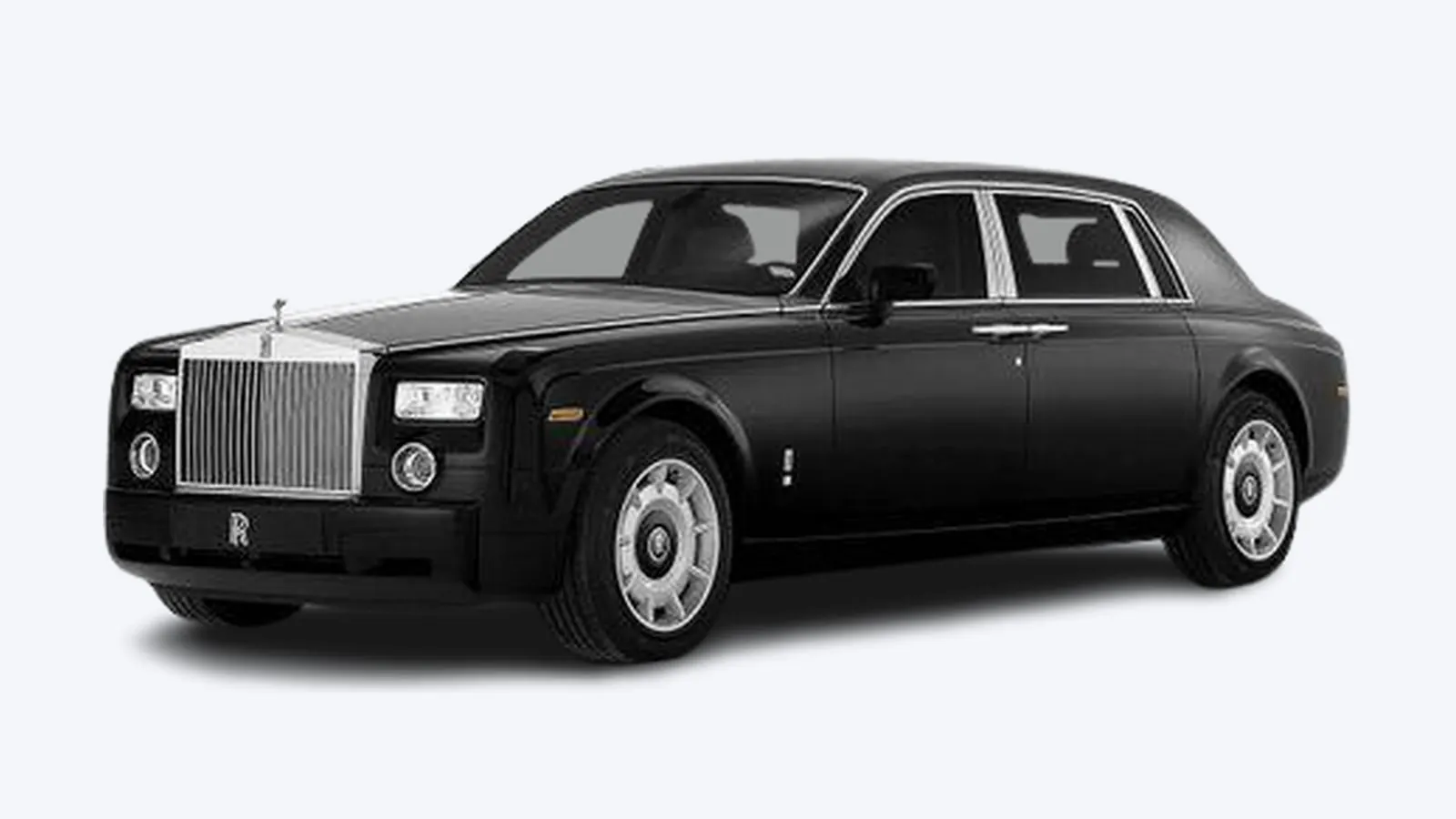
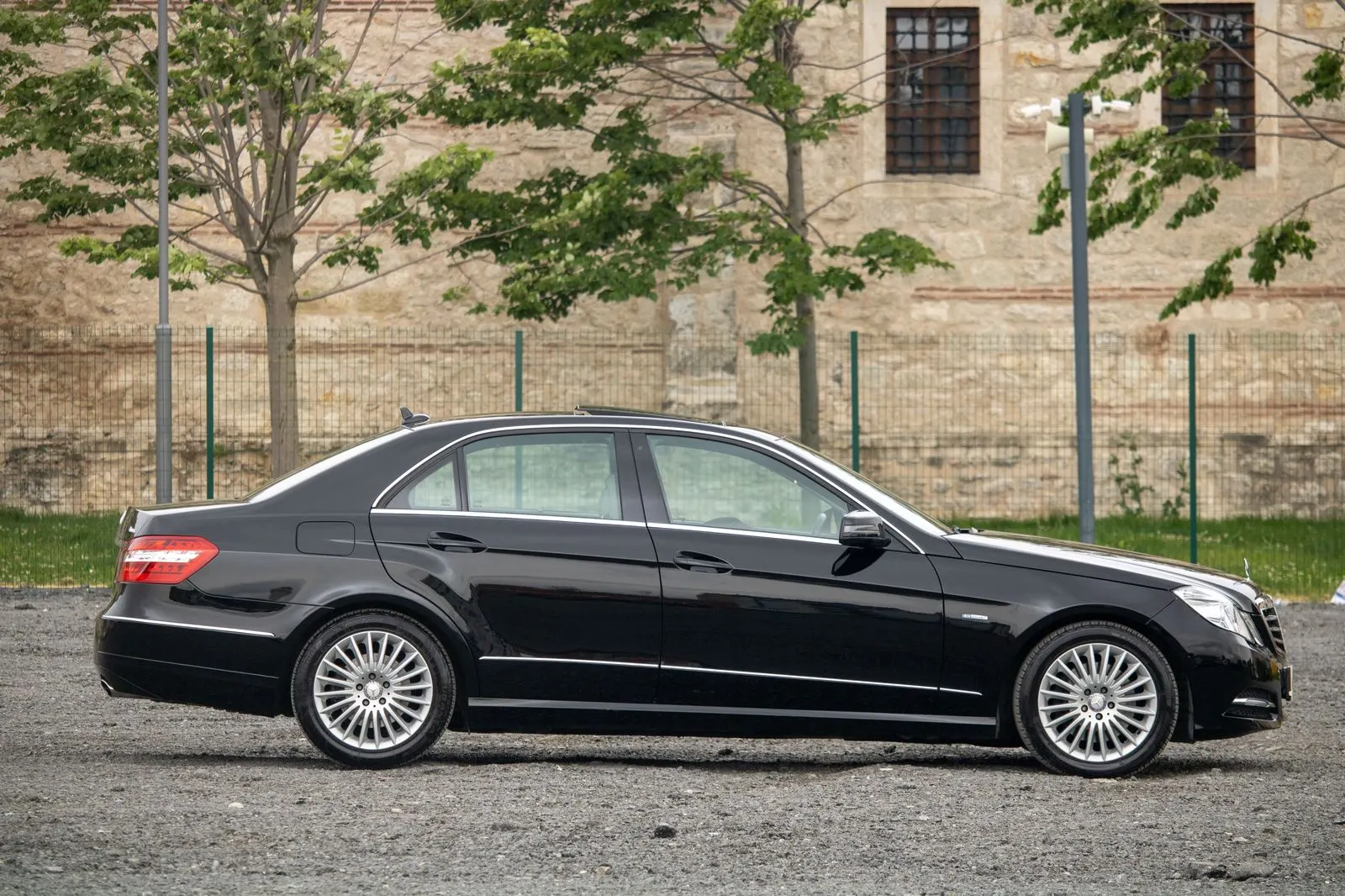
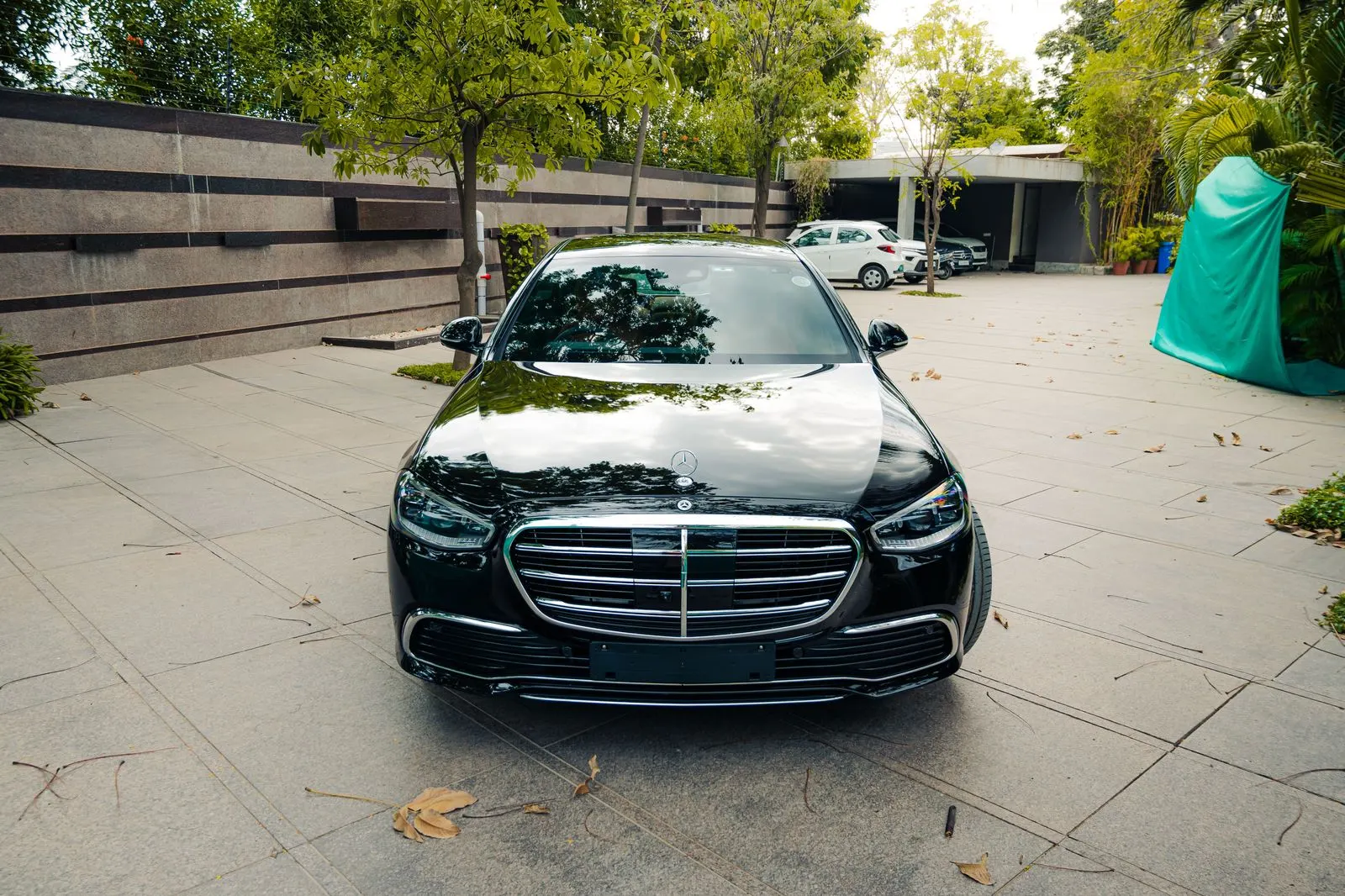
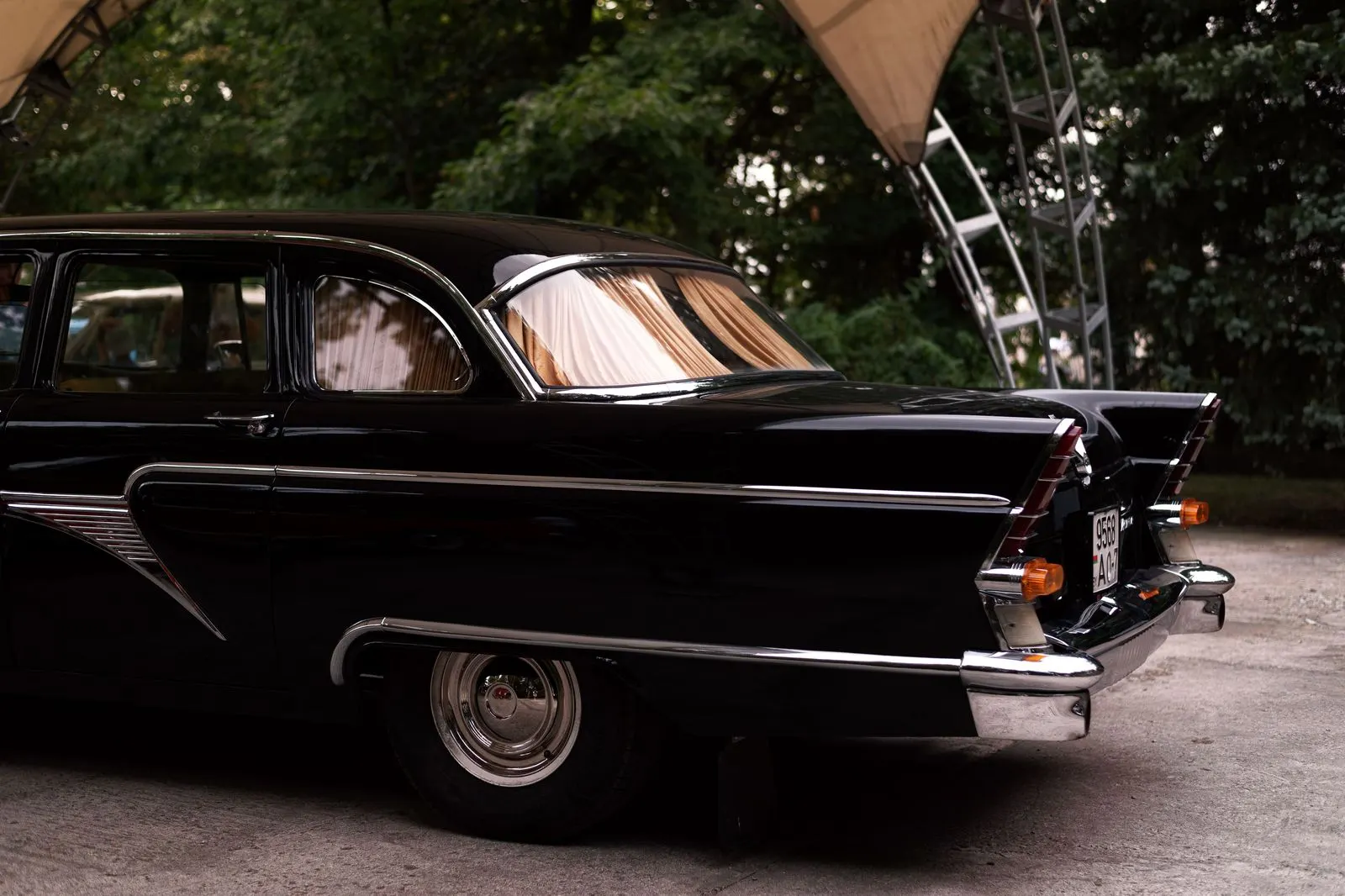
- First-class sedan (Mercedes-Benz S-Class, BMW 7 Series or Genesis G90) - the traditional head-of-mission car, at $285 an hour all-in.
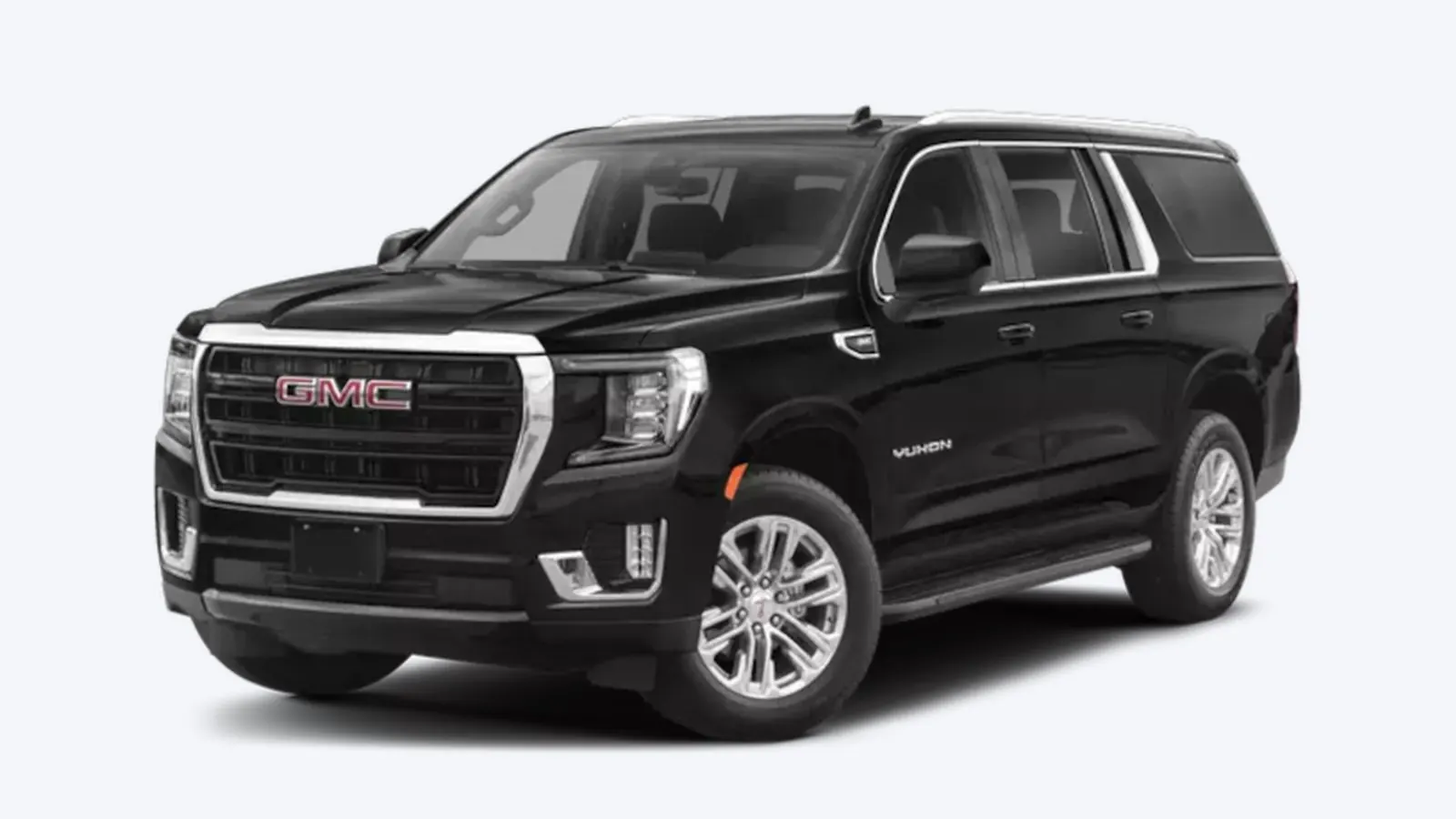
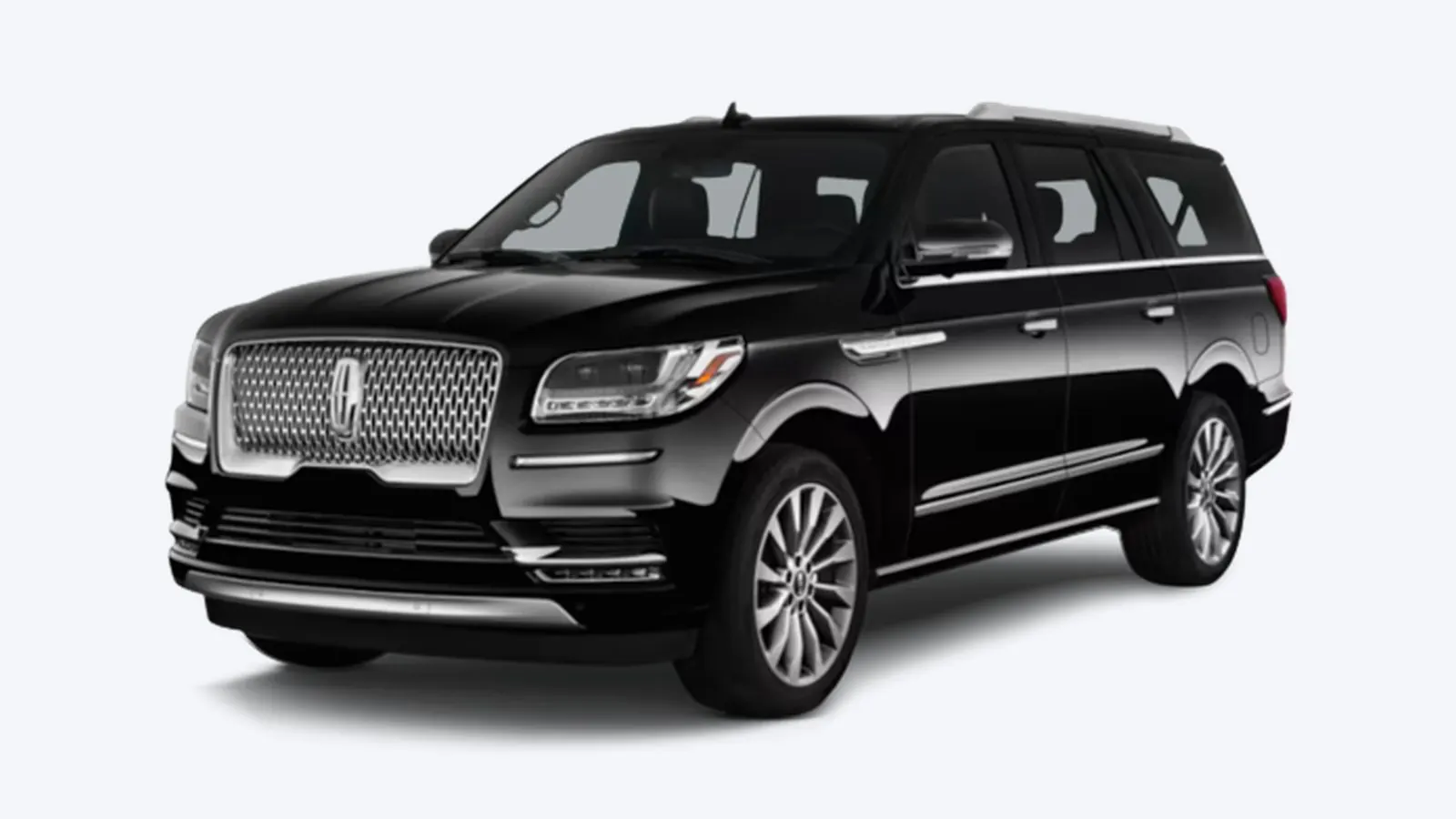
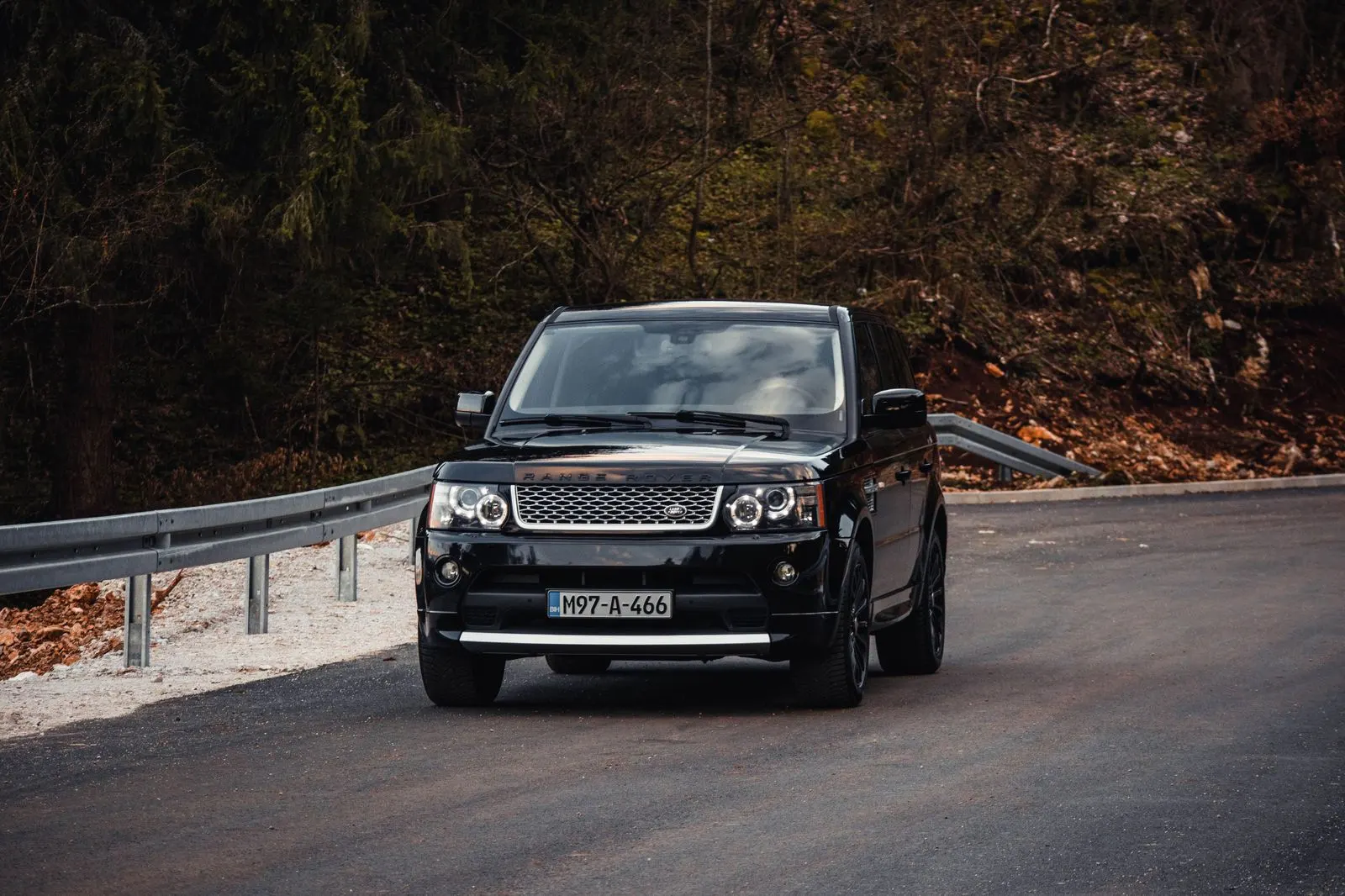
- SUV First (Cadillac Escalade ESV, Lincoln Navigator L or GMC Yukon Denali) - preferred by many missions in North America and the Gulf for space, presence and winter roads, at $235.
- SUV Business (Cadillac Escalade, Lincoln Navigator or GMC Yukon XL) - staff cars and lead cars, at $185.
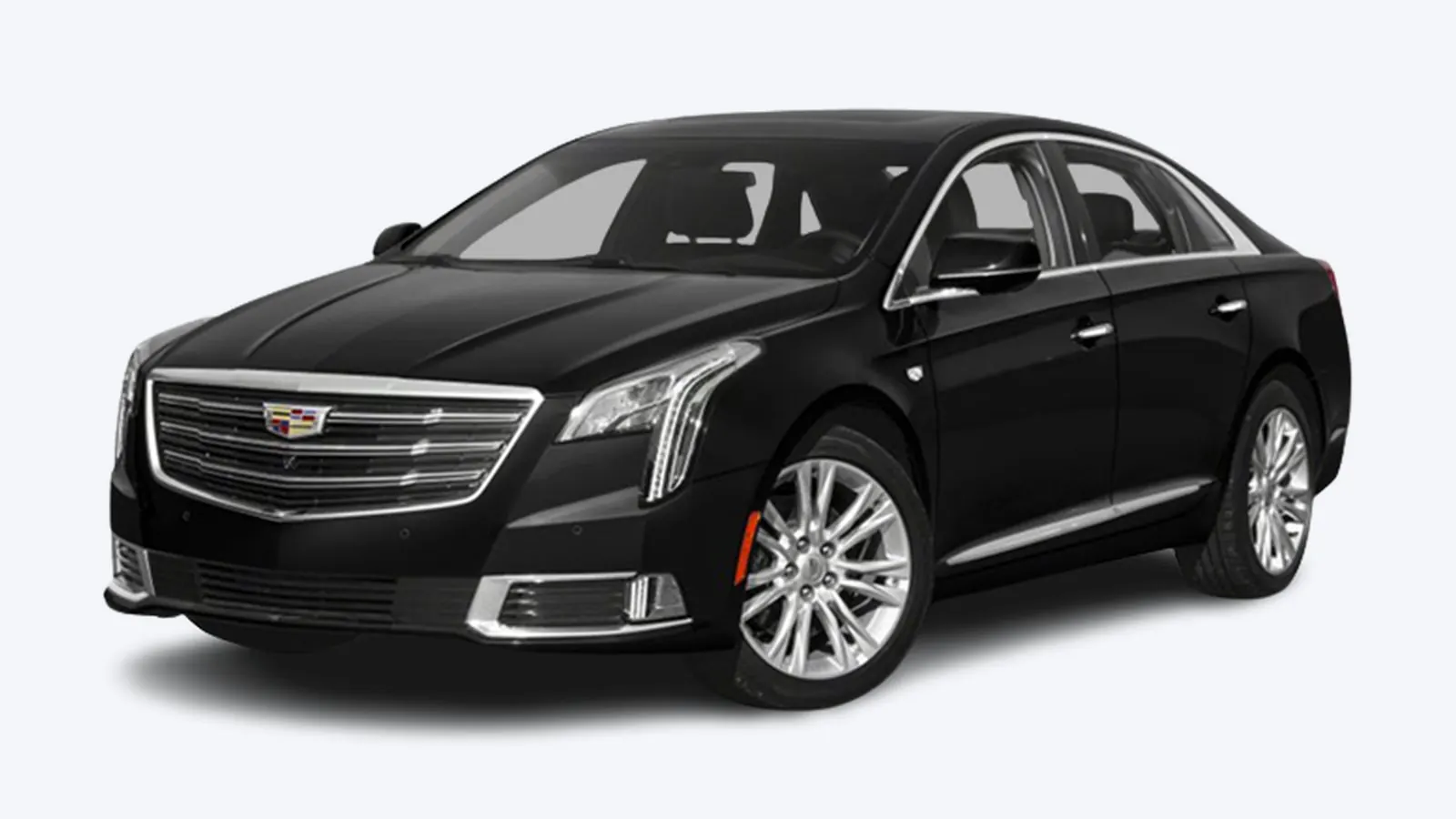
- Business sedan (Lexus ES, Cadillac CT5 or Cadillac Lyriq) - consular staff and support, at $155.
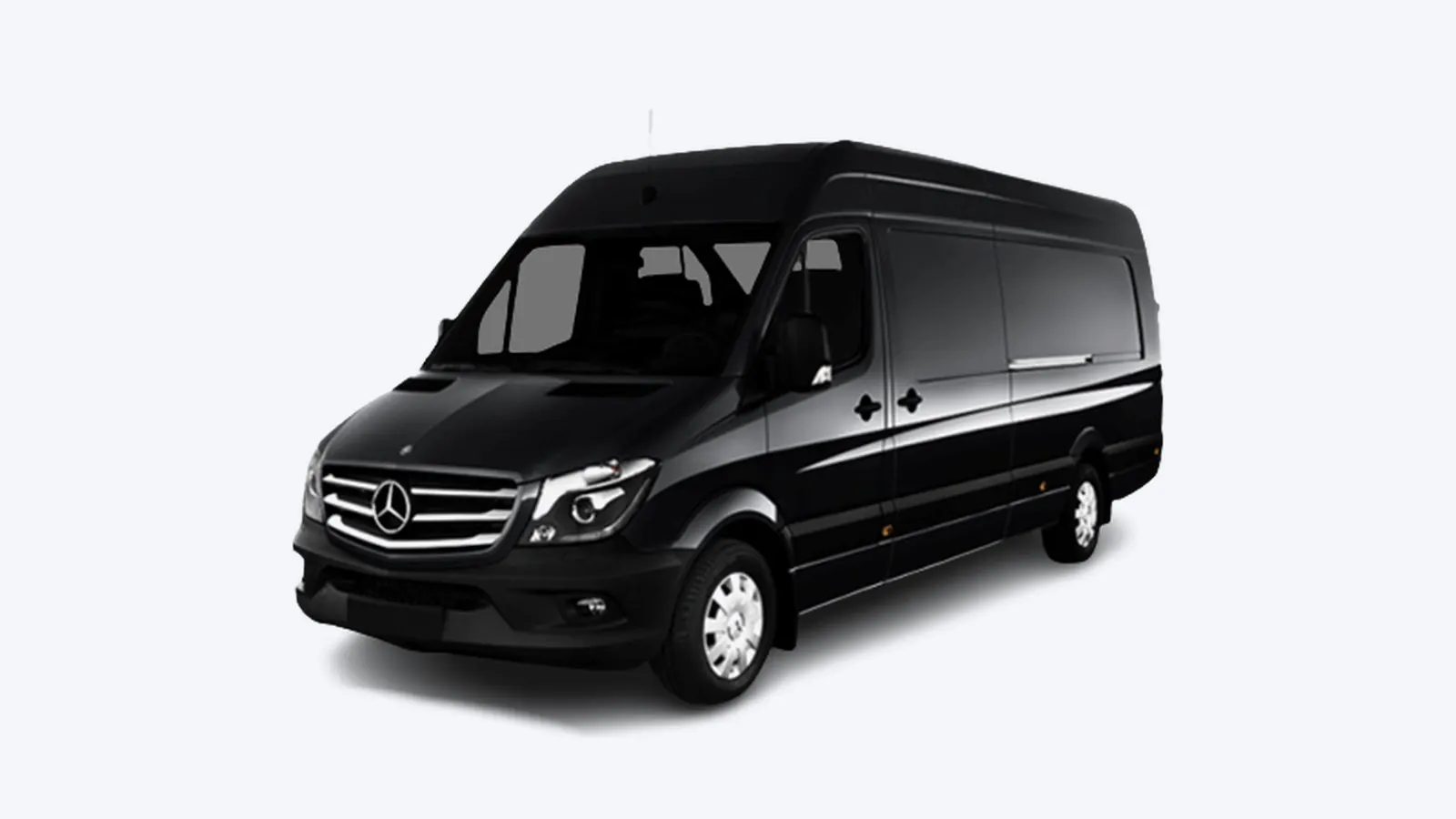
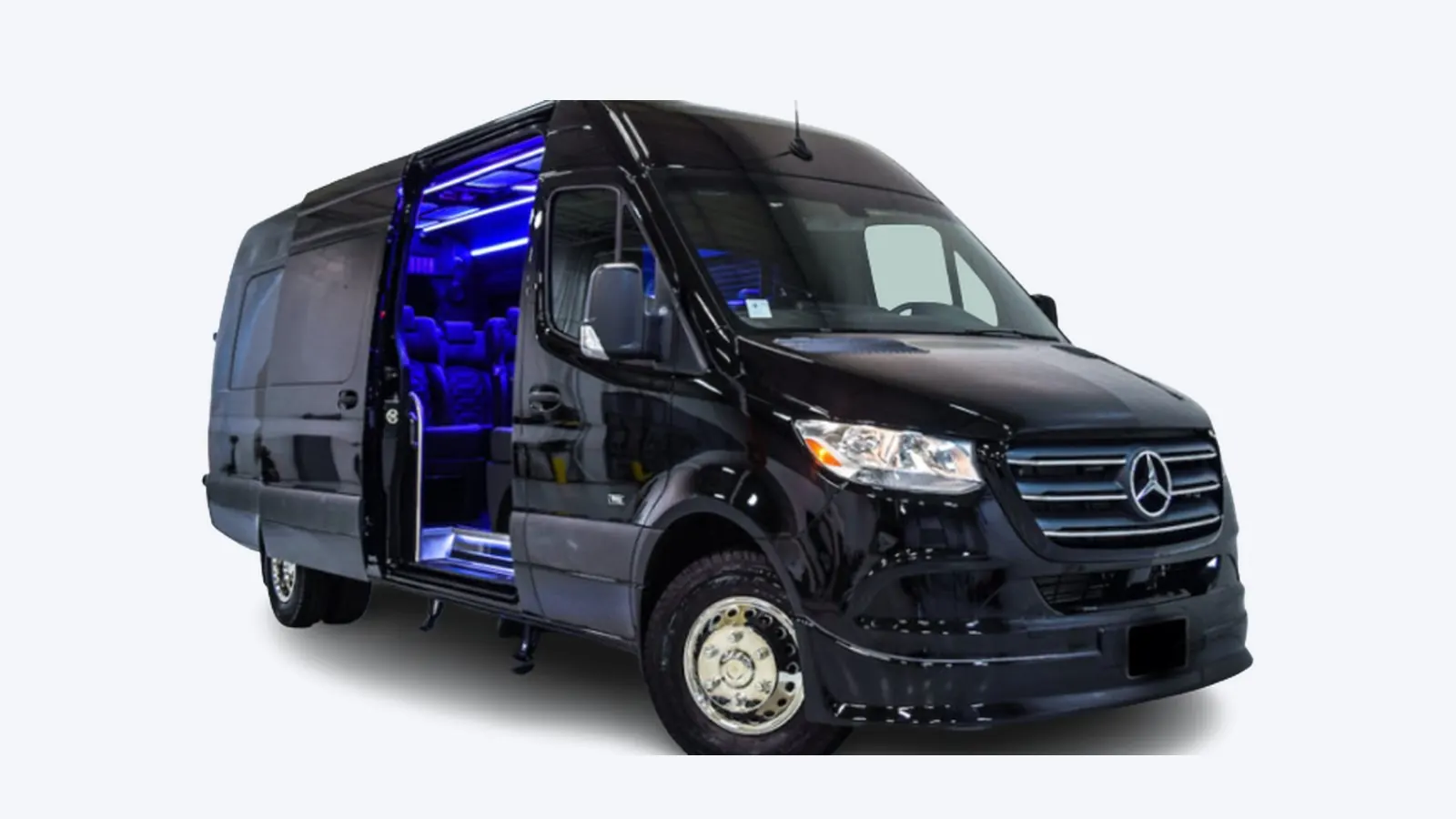
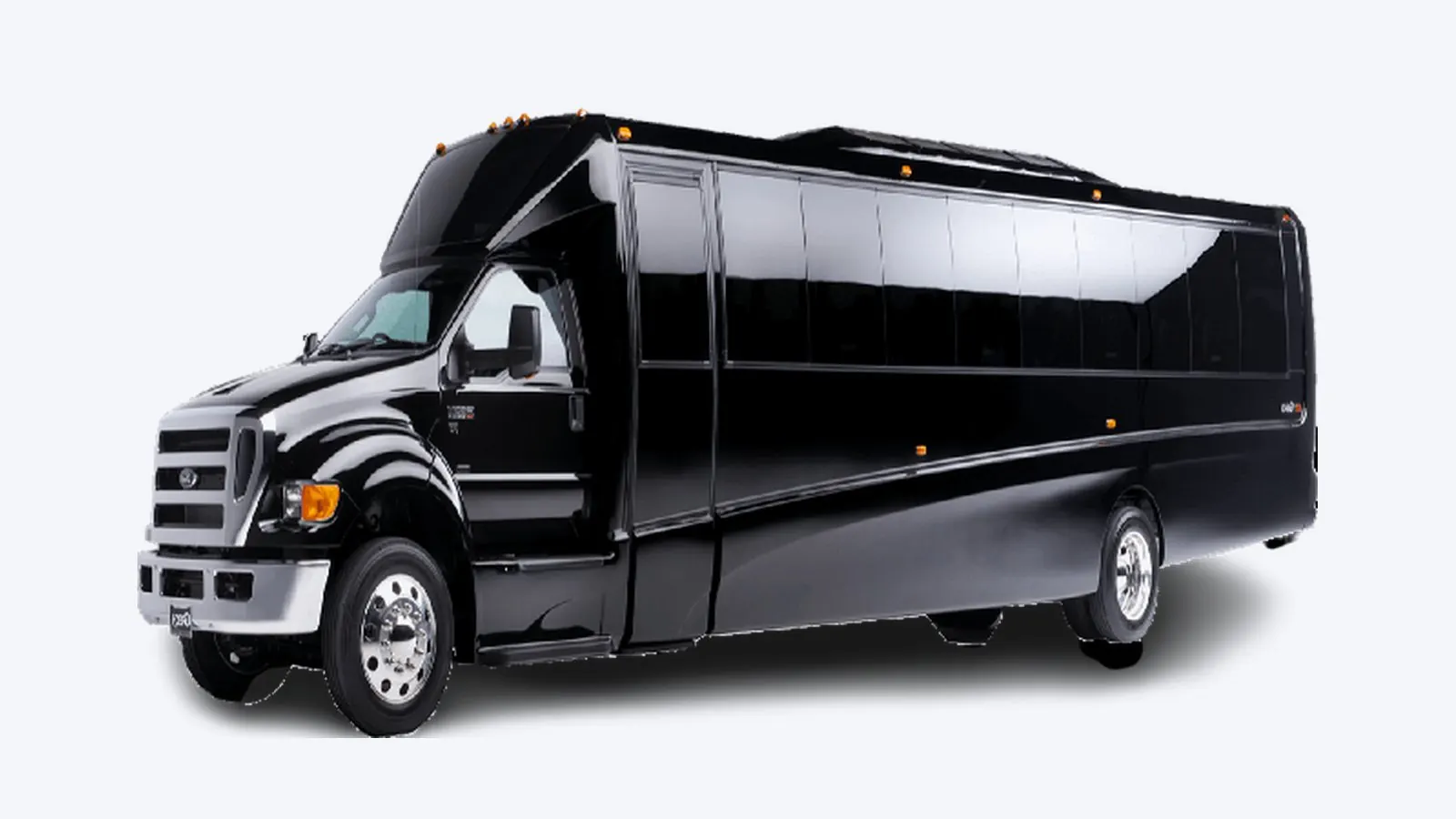
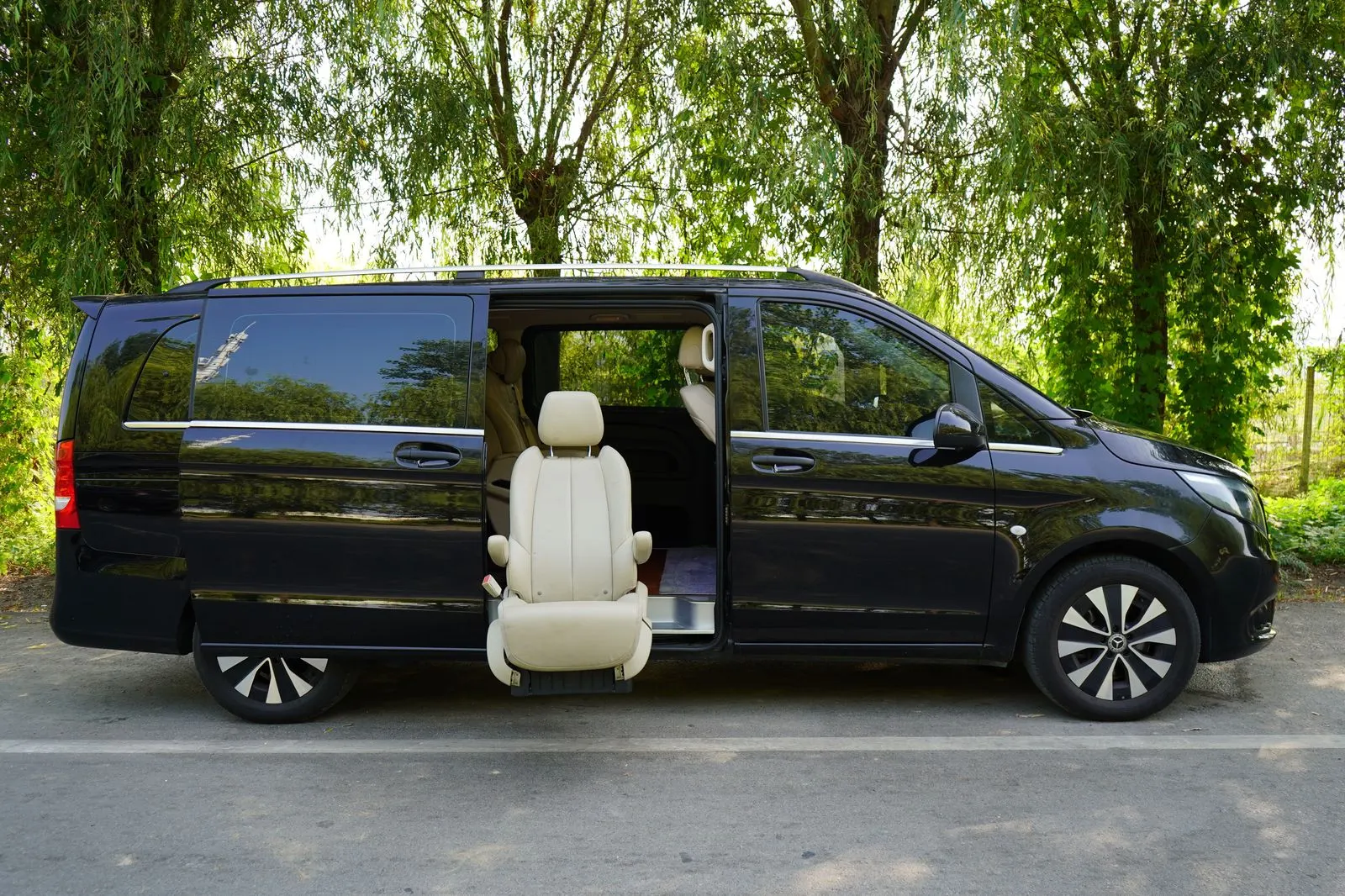
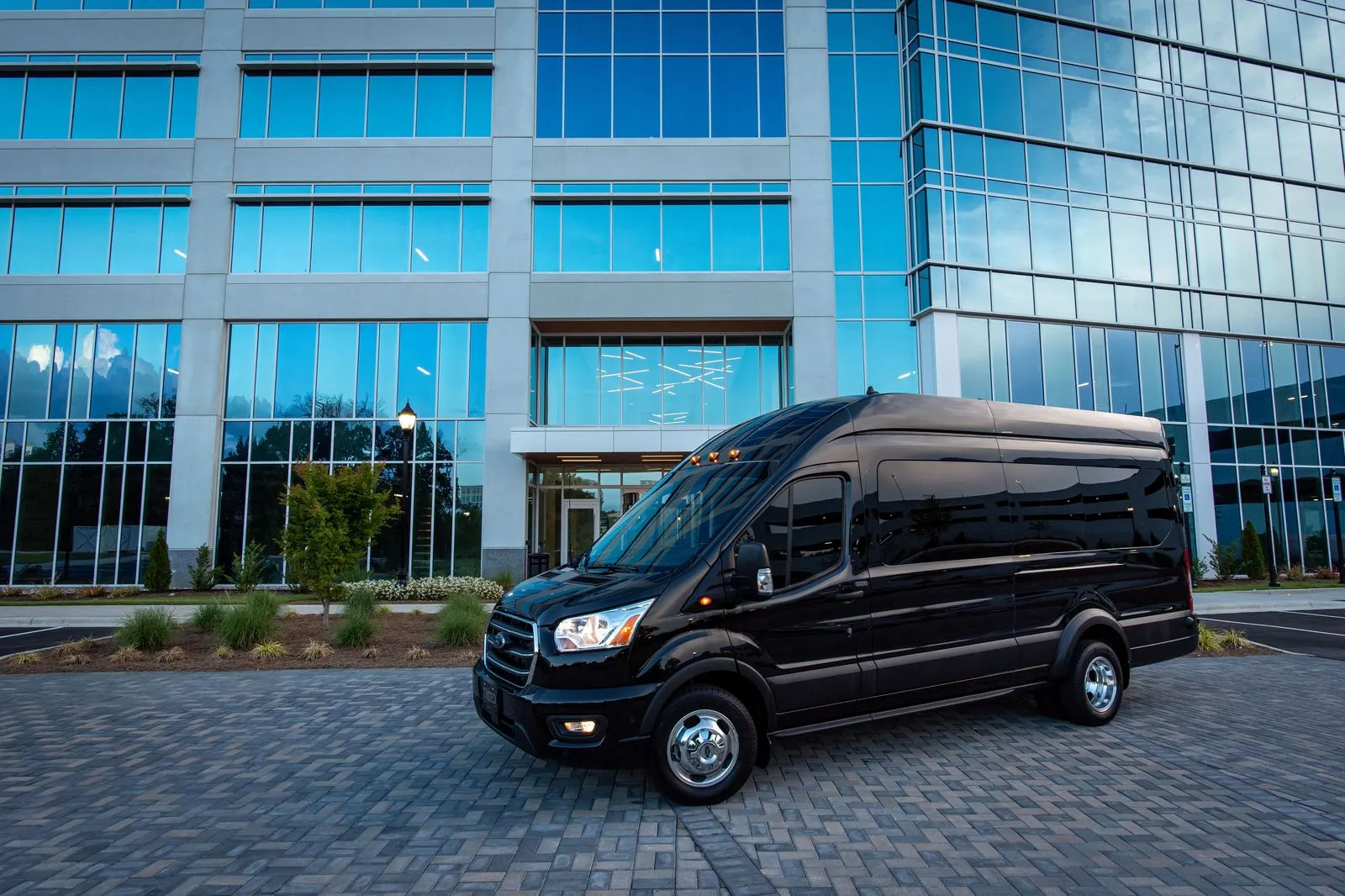
- Executive Sprinter and coaches - the wider delegation, the press party and luggage, by quote.
- Armored sedans and SUVs - by special quote where the assessment requires them.
All vehicles are no more than four model years old, carry no branding, and are cleaned before each day's work.
Motorcades and multi-car moves
When several cars move together, the order matters as much as the vehicles. A typical official move has a lead car that sets the pace and confirms the route, the principal's car, a staff car, and a Sprinter or coach for the wider party, with any host-government escort taking precedence over all of them. Our chauffeurs are briefed to hold position, to keep a consistent gap, and to follow the lead car's signals rather than the satnav. Arrivals are choreographed so that the principal's door opens at the agreed point - a red carpet, a side entrance, a covered porch - and departures are staged so that the principal's car is first away. The coordinator rehearses complex arrivals with the protocol office where time allows.
Working with host-government security
For visits at the highest level, the host government's protective service may provide escorts, set the routes and control the timings. In that case our role is narrower: supply the vehicles and the chauffeurs, follow the escort's instructions exactly, and keep the vehicles available when the programme changes. The coordinator acts as the single link between the mission's protocol officer, the host service's liaison and our chauffeurs. Chauffeurs may be asked to provide identification or to undergo checks by the host service; we co-operate fully and ask missions to tell us early what will be required.
Long postings and family members
Diplomats on a posting often need more than a car for official work. The spouse and children need school runs, appointments and weekend travel; visiting family need airport transfers; a household may want a chauffeur for its own car. A yearly contract can include an official block and a separate household block, each invoiced as the mission or the family requires, and the chauffeur for your car programme covers a family vehicle at $95 an hour. Keeping both on the same account means the chauffeurs already know the residence, the security arrangements and the family's routines.
Reserving for a summit or a state visit
Summits, state visits and multilateral meetings put enormous pressure on a city's chauffeured vehicles. Every delegation needs first-class sedans and SUVs on the same days, hotels near the venue fill months ahead, and accreditation deadlines for vehicles and drivers can fall weeks before the event. Missions that plan early fare much better. As soon as the dates are known, send the coordinator an outline: the number of principals, the likely size of the delegation, the arrival airports or terminals, and any host-government requirements already published. The coordinator will reserve the vehicles and chauffeurs provisionally, confirm them in writing, and prepare the information an accreditation process typically asks for - vehicle registrations, chauffeur identities and photographs - so that the mission can submit it on time.
When the programme is finalised, the move plan is built around it and shared with the protocol office for approval. During the event, the coordinator stays on call throughout, often on site, and every change goes through one authorised contact. After the event, the mission receives one statement for the whole visit.