Airport transfers · 2026-09-19 · 8-minute read
Barcelona-El Prat (BCN) is Spain's second airport and the arrival point for one of Europe's most visited cities: the leisure travellers for the Gaudi buildings and the beaches, the cruise passengers for the busiest port in Europe, the delegates for the Mobile World Congress and the other fairs at the Fira, and the business travellers for a city that has become a technology hub. The airport is fifteen kilometres from the centre, its two terminals are far enough apart to matter, and its transfer market is regulated by Catalonia's strict rules on hire-with-driver vehicles. This guide explains how a private transfer works at Barcelona, what it costs in euros, and how the city's calendar shapes the booking.
Barcelona airport has two terminals, T1 (most airlines, including Vueling, Iberia, the long-haul and most European carriers) and T2 (Ryanair, easyJet and some others), four kilometres apart and connected by a shuttle bus. A pre-booked VTC chauffeur meets you in the arrivals hall of your terminal with a name board. Drive times: the Eixample and Passeig de Gracia 25-35 minutes, the Gothic Quarter and the Born 25-40, the Diagonal and Sarria 25-35, the cruise port 20-30, Sitges 25-35, the Fira Gran Via 10-15. Indicative private fares: EUR 55-90 for an executive sedan to the centre, EUR 80-130 for a luxury sedan, EUR 90-150 for a V-Class or Sprinter. The regulated taxi fare to the centre is about EUR 35-45. Book on the airport limo service page; Barcelona is on the destinations page.
The terminals
Terminal 1, opened in 2009, handles the great majority of the airport's traffic - Vueling, Iberia and the oneworld carriers, the long-haul airlines, and most European scheduled flights - and is one of the largest terminal buildings in Europe, with a long walk from the gates to baggage claim and a single arrivals hall on the ground floor. Terminal 2, the older complex split into 2A, 2B and 2C, handles Ryanair, easyJet and a number of other low-cost and charter carriers. The two are four kilometres apart by road, connected by a free shuttle bus that runs every few minutes and takes ten to fifteen; a chauffeur at the wrong terminal is a half-hour problem, and dispatch confirms the terminal from the flight number the day before. The airport operator's passenger information is on the Aena site and lists terminals by airline.
Arrivals from the Schengen area walk to baggage claim; arrivals from the UK, the Americas and outside Schengen clear passport control first, and the non-EU lane at T1 in the morning arrival bank from the Americas can take forty-five minutes. A pre-booked chauffeur stands in the arrivals hall with a name board, and the morning text says where; at T1 the hall is wide and the meeting point is usually beside a named cafe or the information desk.
The VTC licence and the Catalan rules
Spain licenses chauffeured cars as VTC - vehiculo de turismo con conductor - and Catalonia has applied the national rules more strictly than any other region, requiring bookings to be made in advance with a minimum notice, keeping a register of authorised vehicles, and separating the VTC market clearly from the taxi's. The practical effect for a passenger is that a private transfer in Barcelona is by definition pre-booked, licensed and traceable, and that the rideshare platforms operate with a smaller fleet than in other Spanish cities. The what is a chauffeur article describes the general standard; the VTC card is Catalonia's version of it.
Drive times
| Destination | Normal | Peak |
|---|---|---|
| Fira Gran Via (the congress halls) | 10-15 min | 15-25 min |
| Sants station / Les Corts | 15-25 min | 25-40 min |
| The Diagonal / Sarria / Pedralbes | 25-35 min | 35-55 min |
| The Eixample / Passeig de Gracia / Placa de Catalunya | 25-35 min | 40-60 min |
| The Gothic Quarter / the Born / La Rambla | 25-40 min | 40-65 min |
| Barceloneta / the Olympic port / the W hotel | 25-35 min | 40-60 min |
| The cruise port (Moll Adossat terminals) | 20-30 min | 30-45 min |
| Poblenou / the 22@ district / the Forum | 30-40 min | 45-65 min |
| Sitges | 25-35 min | 35-50 min |
| Castelldefels / Gava Mar | 10-20 min | 15-30 min |
| Girona / the Costa Brava (Begur, Palamos) | 75-110 min | 90-130 min |
| Tarragona / the Costa Daurada | 75-95 min | 90-120 min |
Barcelona's traffic is heaviest on the Ronda ring roads and the Gran Via in the morning and evening peaks, and the old city's streets are narrow and partly closed to cars; a chauffeur who works the city knows which entrance to a Gothic Quarter hotel is reachable and where the loading zone on Passeig de Gracia is.
The taxi, and the honest comparison
Barcelona's taxis - black and yellow, metered, with an airport supplement - charge about EUR 35-45 from the airport to the centre and are one of the better taxi deals in Europe, honest and plentiful outside the peaks. A private transfer at EUR 55-90 costs EUR 15-50 more and buys the name board, the chosen vehicle, the flight tracking, the fare fixed before you fly, and a chauffeur who can reach a Gothic Quarter hotel's door; the general comparison is in airport transfer vs taxi. For a solo traveller with one bag going to the Eixample, the taxi is a fair choice; for a family with luggage, a cruise passenger, a late arrival or a business traveller, the private transfer. The Aerobus and the train are cheap and fine for a backpacker.
What a private transfer costs
Indicatively, in euros:
- Executive sedan (E-Class, 5 Series) to the centre, the Diagonal or the port: EUR 55-90.
- Luxury sedan (S-Class) to the same: EUR 80-130.
- Executive van (V-Class, up to 6 with luggage): EUR 70-110.
- Sprinter (up to 14 with luggage): EUR 90-150.
- Sedan to Sitges: EUR 70-110; to Castelldefels EUR 50-80.
- Sedan to the Costa Brava or Tarragona: EUR 180-280; van EUR 220-340.
- Hourly, sedan: EUR 65-110, three-hour minimum; full day EUR 500-900.
Tolls and airport fees are included; gratuity is not expected in Spain. The European context is in how much does a limo cost.
The cruise port
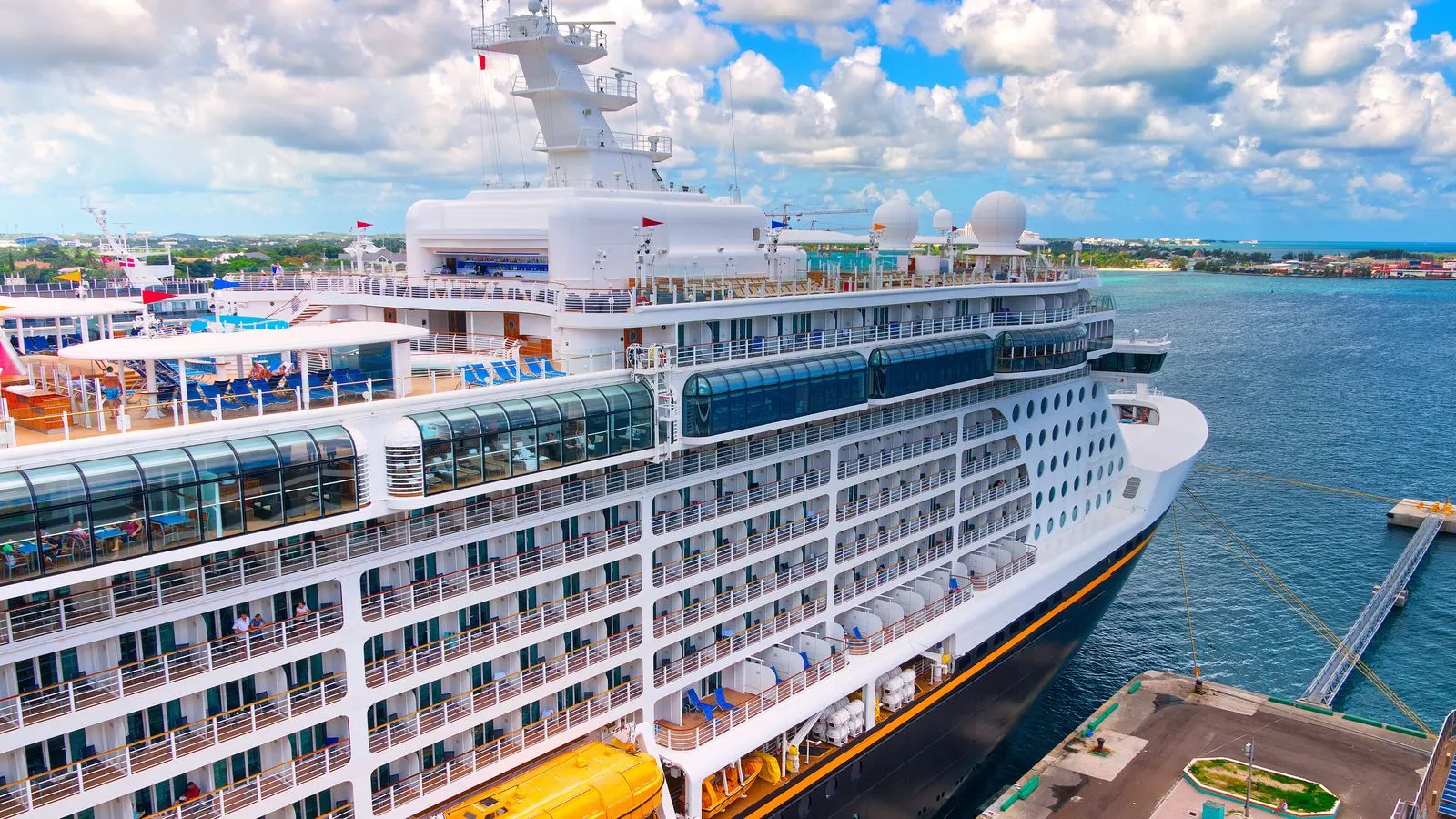
Barcelona is the busiest cruise port in Europe, with the terminals along the Moll Adossat quay and at the World Trade Center at the foot of La Rambla; the transfer from the airport to the port is twenty to thirty minutes, and sailing days - most days in the summer - make the port road busy. The chauffeur drops at the correct terminal for the ship, which the port's site lists; the cruise port transfers page covers the timing and the CLIA guidance the embarkation windows. Many cruise passengers spend a night or two in the city first; the pattern is a transfer to a hotel, a day with a chauffeur for the Gaudi buildings and Montjuic, and a transfer to the port in the morning.
The Mobile World Congress and the fairs
The Mobile World Congress at the Fira Gran Via in late February or early March is the single hardest week of the year for ground transport in Barcelona: a hundred thousand delegates, every hotel full to Sitges and beyond, every VTC in Catalonia committed weeks ahead, and the Fira's roads closed to all but permitted vehicles. The convention-city rule applies with force: book the moment the trip is confirmed, through the event transportation page for delegations and the corporate account desk for priority allocation. The Integrated Systems Europe show, the Smart City Expo, the Seafood Expo and the Barcelona Games World fill the Fira on a smaller scale, and the how early to book article sets out the notice.
The return transfer
T1's departures hall is large and the security queues are moderate; the non-Schengen passport lane in the afternoon bank for the Americas and the UK is the slow point. Allow two and a half hours at the terminal for a long-haul flight and two for a European one. From the Eixample that means a pickup three and a quarter hours before a long-haul departure in the peak; the chauffeur proposes it. The IATA baggage guidance applies.
Sitges, the coasts and Girona
Sitges, half an hour south, is the resort town with the festival calendar and a large hotel stock that overflows in congress weeks; Castelldefels and Gava Mar are the beach suburbs beside the airport. The Costa Brava to the north - Begur, Calella de Palafrugell, Cadaques - and the Costa Daurada to the south are an hour and a half to two hours and priced by distance; Girona has its own airport for the Costa Brava and is on the airports page. Madrid, Valencia and the Balearics are on the destinations page.
Booking
Enter BCN, the flight number, the hotel's name and street (Barcelona has several hotels with the same name in different districts), passengers and bags, and the vehicle in the booker. The fare is shown in euros and fixed. The chauffeur's name, photo, vehicle and meeting point arrive by text on the morning.
Barcelona's districts, from a chauffeur's seat
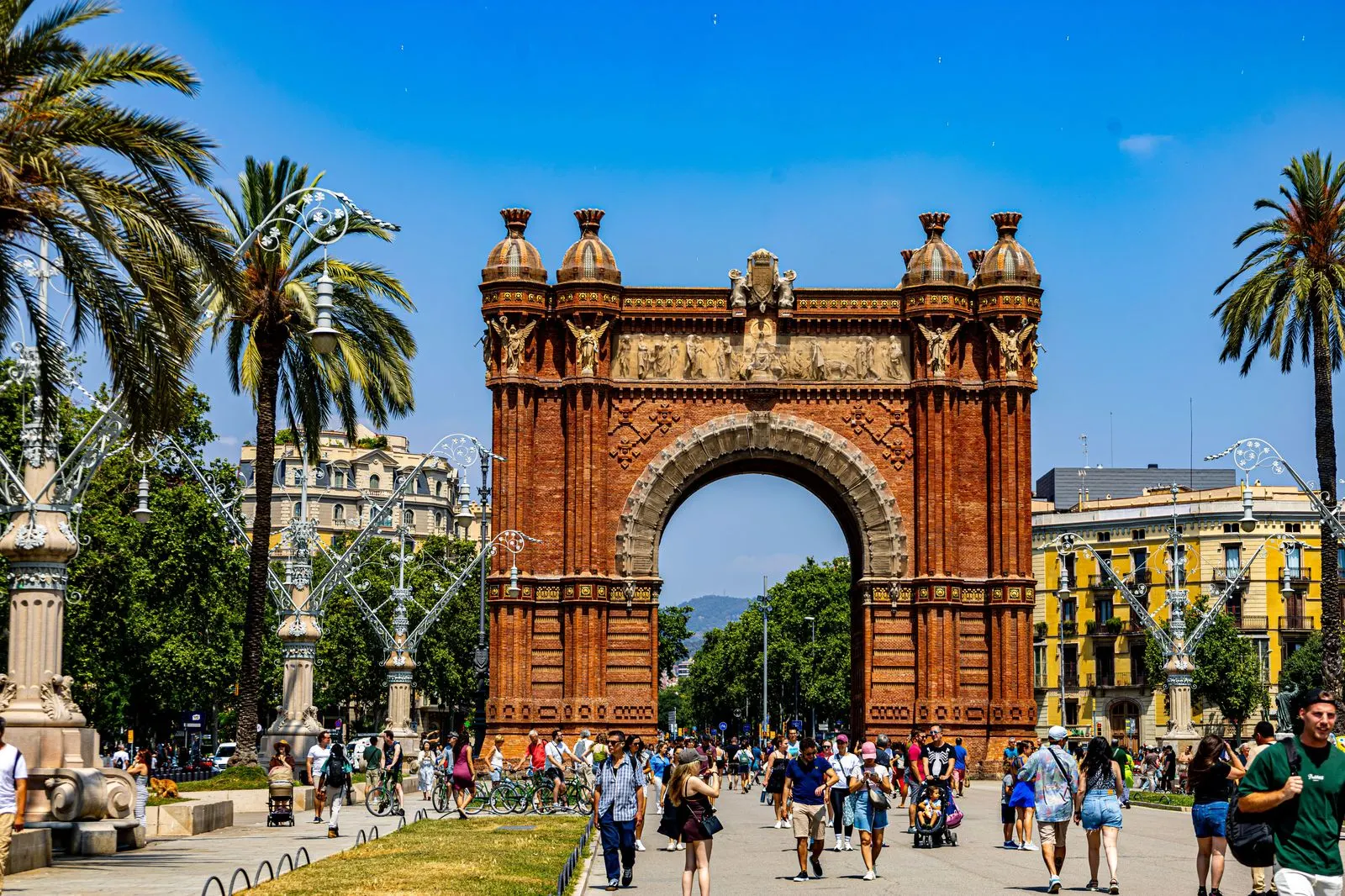
The Eixample is the grid of Gaudi's city, with Passeig de Gracia's luxury hotels - the Mandarin Oriental, the Majestic, the Casa Fuster - and the widest streets; the easiest district for a chauffeur. The Gothic Quarter and the Born are the old city, with boutique hotels in lanes that a licensed vehicle can reach by permitted routes and a few that it cannot; the chauffeur knows which. La Rambla and the Raval are the tourist spine and the district beside it. Barceloneta and the Olympic port are the beach and the W hotel at the end of it. The Diagonal, Sarria and Pedralbes are the business and residential districts uphill, with the corporate hotels and the international schools. Poblenou and the 22@ district are the technology quarter and the newer hotels towards the Forum. Sants is the station and the hotels beside the Fira Montjuic. Gracia is the village above the Eixample. The destinations page lists the city and its neighbours.
Business travel in Barcelona
Beyond the congress weeks, Barcelona's business travel runs on the technology companies of the 22@ district, the pharmaceutical and research institutions, the port and logistics companies, and the many international companies with regional offices along the Diagonal; the corporate account handles euro billing across Barcelona, Madrid and the rest of Spain, and the executive car service page sets out the product. A day of meetings across the Diagonal, the 22@ district and the Eixample is an hourly-hire booking at EUR 65-110 with a three-hour minimum, and the private driver for a day article has the day-rate context.
Two transfers, priced
A delegate landing from London at T1 for the Mobile World Congress: an executive sedan at about EUR 75 to an Eixample hotel, booked six weeks ahead at the standard rate, met at the barrier, forty minutes in congress traffic, against a taxi at EUR 40 after an hour's queue at the rank on the opening day. A family of five landing from Toronto at T1 for a cruise: a V-Class with a child seat at about EUR 95 to a Gothic Quarter hotel, met at the customs exit, and a second V-Class at about EUR 80 to the Moll Adossat terminal on sailing morning. The how much does a limo cost article places Barcelona in the middle of the Western European band.